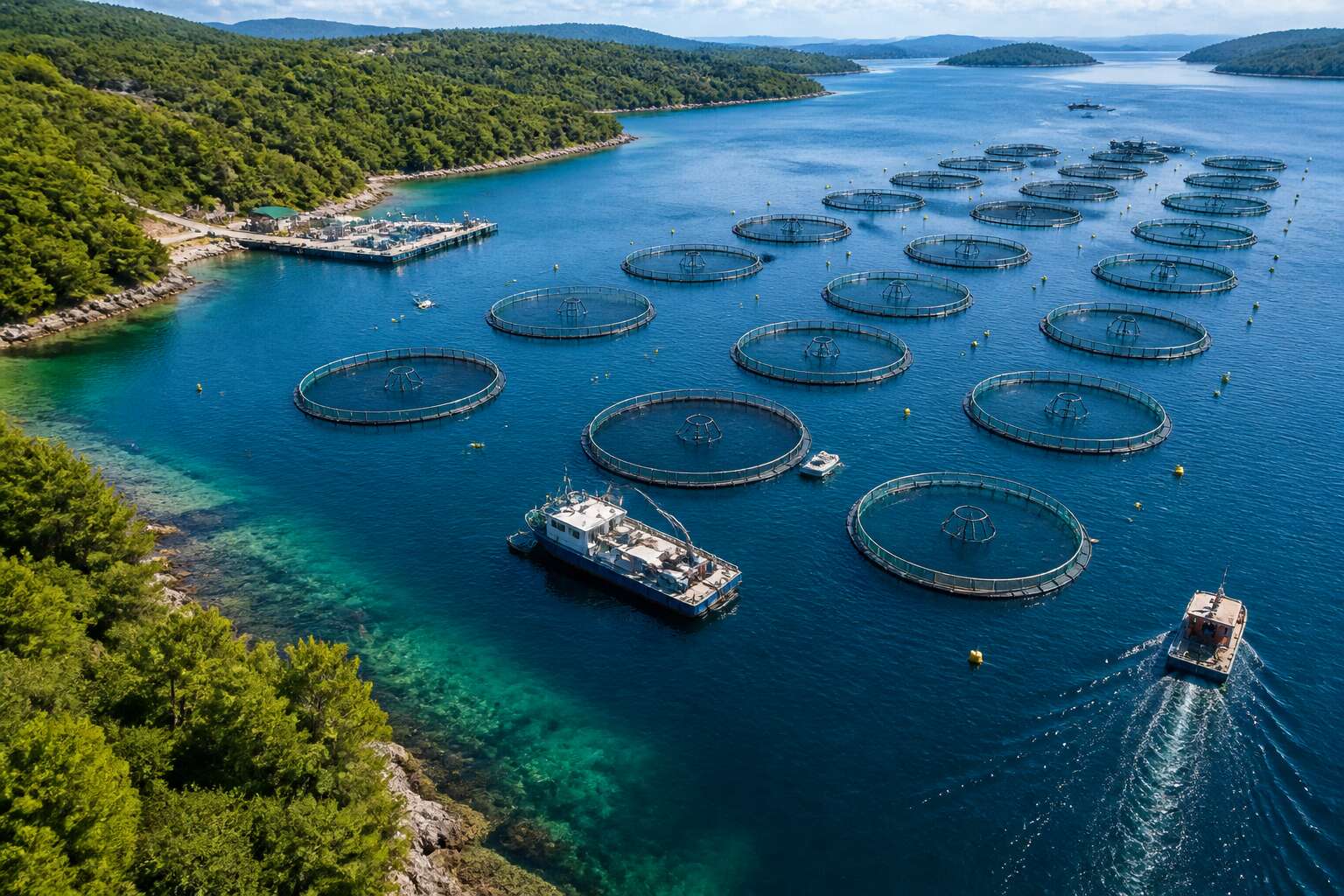
Site Selection and Facility Design
Assessing Water Quality Parameters
Choosing a site for your aquaculture operations is a bit like buying a house, you can change the curtains, but you cannot move the foundation. The water source dictates everything, from your capital outlay to your daily running costs. For South African farmers, the difference between a thriving venture and a costly lesson often comes down to a diligent assessment before a single tank is placed.
You are essentially entering a long term relationship with a specific body of water. Its chemistry, temperature swings, and turbidity levels will influence your species choice and your operational calendar. Ignoring these factors is a fast track to inventory loss. A thorough site evaluation should consider the local climate patterns, the proximity to reliable electricity, and the potential for upstream contamination from agricultural runoff or industrial activity.
Once you have a promising location, the real work begins with the data. You must commit to a regular sampling regime. The core parameters to track are temperature, dissolved oxygen, pH, and ammonia levels. These are not merely numbers on a clipboard; they are the physiological reality for your stock. Rapid fluctuations in temperature stress fish, while low oxygen events can wipe out a crop overnight. A routine testing schedule helps you spot trends before they become emergencies.
However, the assessment phase is not just about taking a single reading. It requires understanding how the water behaves over time. Consider these factors for your baseline profile:
- Daily fluctuations in dissolved oxygen, which often dip to a critical low before dawn.
- The buffering capacity of the water, or alkalinity, which prevents dangerous pH swings.
- Seasonal variations in temperature that affect growth rates and feed conversion.
Water quality is a dynamic puzzle, not a static fact. The presence of high nitrates in the summer might be absent in the winter, and tying your entire business plan to a single sample date is risky. This vigilance is the price of admission. As you scale up, you will also need to manage the waste load your own feeding program creates, which changes the water chemistry further. The initial data informs the design of your biofilters and aeration systems, so accurate information is essential for a functional facility. When you get this right, you move from hoping for the best to managing for a specific outcome.
Environmental Impact Considerations
The way you position a single tank determines the environmental footprint of the entire project. In South Africa, the Department of Forestry, Fisheries and the Environment tracks pollution incidents linked to poorly planned aquaculture operations each year. Most trace back to facility layout, not water chemistry. I have watched producers discover this the expensive way, after their first flood season.
The biggest environmental considerations for facility design:
- Stormwater runoff around settling ponds
- Emergency containment for system failures
- The distance between your biofilter and any natural watercourse
Your effluent point becomes a permanent feature of the property. The flood line, slope, and prevailing winds influence how discharge behaves after heavy rain. Aquaculture operations that ignore these factors face complaints, fines, and costly retrofits. A design which respects the surrounding landscape from the first day costs less to insure and avoids the misery of a pollution directive.
Infrastructure and Equipment Layout
A pump house placed on the wrong side of a road can cost you an hour each morning. That is the price of ignoring site selection in aquaculture operations. I have seen facilities where the equipment layout forces workers to cross a drainage ditch just to check the oxygen sensors.
The infrastructure should match the land’s contours and your daily routine. When I design a facility, I think about the sequence of movements:
- Place feed storage near the main working area to reduce carrying distance.
- Position the aeration controls within sight of the most exposed ponds.
- Align walkways with the prevailing wind to keep the workspace breathable.
These decisions feel small until you live with them! A thoughtful layout for South African conditions saves time and prevents the quiet frustration of a poorly planned farm.
Species-Specific Facility Requirements
A single degree of water temperature can separate thriving stock from silent mortality! In South African aquaculture operations, the facility design must obey the species, not the other way around. Tilapia demand shallow raceways that absorb the Highveld sun, while abalone require shadowed tunnels that replicate the dim light of a kelp bed. Dusky kob, being midwater predators, respond poorly to cramped tanks unless vertical depth is generous. I have seen that neglect firsthand.
- For benthic species, smooth substrate ensures no abrasions.
- For pelagic species, circular tanks prevent fin wear.
- For migratory species, current speed must match their innate swimming drive.
A facility that ignores these demands will always fight its own inhabitants.
Water Quality and Management Systems
Recirculating Aquaculture Systems
A recirculating aquaculture system reduces water exchange to a daily trickle, but that trickle carries the full weight of biological activity. In my experience, the operator becomes a mediator between the fish, the bacteria, and the accumulating solids. The system does not forgive neglect; it simply converts it into measurable decline.
What makes these systems work is the sequence of management decisions, not the hardware. For aquaculture operations, the practical rhythm involves:
- Verifying the mechanical filter before every meal
- Measuring oxygen injection rates after each biomass reading
- Inspecting the degasser tower when pH drifts
Each item feels routine until a clogged drum or a failed pump transforms a stable loop into a crisis. Recirculating systems demand a specific temperament: patience, predictability, and the honesty to admit when a process is no longer balanced.
Flow-Through and Pond Systems
Flow-through and pond systems support many South African aquaculture operations, but their management hinges on understanding the water’s journey as much as its destination. In a flow-through raceway, the gradient supplies the energy; the operator’s task is to measure the dissolved oxygen at the outlet before the morning feeding, because a stagnant tail end signals trouble upstream. Pond systems behave differently. Their depth and surface area create layered zones, and a sudden rain can invert those layers overnight.
For daily checks, I rely on these routines:
- Verify the inflow rate at each pond gate during peak evaporation.
- Observe the water color at dawn for early signs of algal die-off.
- Test the temperature gradient between surface and bottom after a cold front.
These actions keep the system stable and predictable.
Water Treatment and Filtration Methods
Water hides its problems until they surface with teeth. In aquaculture operations, every pump cycle and filter pass shapes what your stock breathes. Mechanical filtration captures the visible debris, the settled feed and fecal matter that would otherwise decompose into ammonia. But the invisible load demands more. Biological filters host the bacteria that convert those nitrogenous wastes into less harmful forms, and their efficiency depends on consistent oxygen and surface area.
Filtration methods rarely operate in isolation. You need a layered approach to buffer against system shock.
- Drum filters for fine solids removal
- Moving bed bioreactors for steady nitrification
- Protein skimmers for dissolved organic compounds
Each component has a failure mode. A clogged screen drops dissolved oxygen before any alarm sounds. A compromised biofilter spikes ammonia silently, and the fish show signs only when the damage is done. The water treatment loop is your first line of defense, and vigilance is nonnegotiable.
Oxygenation and Aeration Techniques
There is no more reliable way to end a lucrative harvest than suffocation. In aquaculture operations, dissolved oxygen dictates feed intake, immune response, and the margin between profit and catastrophe. The water may look fine, but the oxygen levels tell the truth. Mechanical aeration physically mixes the water column, while oxygenation injects pure oxygen for high-density systems. Both are vital, and both have specific costs that break budgets when chosen incorrectly.
Air diffusion systems, like fine bubble diffusers, generate the agitation that strips carbon dioxide and stabilises temperature. Yet these systems require consistent power. A blower that fails during a summer peak will starve the stock within hours. Pure oxygen systems, such as low head oxygenators, solve that problem by supersaturating the water, but they carry an ongoing supply cost.
- Air blowers and diffusers for energy efficiency and low running costs.
- Oxygen cones for high-density indoor systems that need immediate saturation.
- Paddlewheel aerators for pond-based operations to combat stratification.
Every option changes how the water holds dissolved oxygen across the diurnal cycle. Matching the tool to the system load dictates the operational overhead. The choices you make here will echo through every feeding regime and harvest schedule, so the calculations must be specific to your exact volume and species density. Aquaculture operations often overlook the oxygen requirement escalation at harvest time, when stock weight peaks and water temperatures rise simultaneously. That oversight converts a routine day into an emergency reoxygenation drill, which is expensive and avoidable.
Monitoring and Automation Tools
Automation compresses response times from hours to seconds. When a sensor detects an ammonia spike, the controller acts before the stock shows stress. For South African aquaculture operations, this speed matters because load shedding introduces unpredictable power gaps. Manual checks cannot match the frequency of continuous probes.
- Multi-parameter sondes for temperature, pH, and salinity
- Relay switches that trigger alarms or backup systems
- Data loggers for tracking diurnal cycles over weeks
I have seen farms use these tools to adjust feed rates live. The systems record every fluctuation, producing a history that reveals patterns. Aquaculture operations that rely on periodic testing miss those patterns entirely.
Feed and Nutrition Strategies
Formulating Balanced Diets
A single tonne of feed can represent over half of the variable costs in aquaculture operations, yet many producers still rely on generic rations. Balanced diet formulation demands species-specific precision. Protein sources, lipid profiles, and amino acid ratios must align with the animal’s life stage and metabolic needs.
Success hinges on adapting feed inputs to local ingredient availability while maintaining nutritional integrity. We might consider:
- Proximate analysis of raw materials
- Digestibility coefficients for each species
- Palatability enhancers to reduce waste
These factors shape both growth rates and water quality outcomes. Feed conversion ratios improve when diets are adjusted seasonally, accounting for temperature-dependent metabolism. A well-crafted strategy reduces costs and environmental load simultaneously.
Feeding Schedules and Rations
In the Karoo, where water temperature swings by ten degrees between dawn and dusk, feeding on a fixed calendar is a quiet form of folly. Feed and nutrition strategies demand that rations bend to the season, the hour, and the changing needs of each tank. A morning feed when oxygen peaks, a lighter afternoon ration when metabolism slows. These adjustments keep conversion ratios honest across aquaculture operations.
Observing the animals themselves offers clearer signals than any chart:
- rapid surfacing at feed time signals readiness
- lingering pellets after fifteen minutes means cut back
- aggressive competition suggests the interval is too long
Scheduled feeding adapts to the farm’s daily state. Each site develops its own routine based on local conditions and observation.
Optimizing Feed Conversion Efficiency
A single degree of water temperature change can shift feed conversion efficiency by three percent. In aquaculture operations, that margin decides profit or loss. The Karoo’s ten degree daily swing demands measurement at each feeding.
I prefer to weigh feed trays twice daily. The residue tells me what was refused and why. Pellet size matters, as does the type of starch binder. A soft pellet disintegrates before reaching the bottom. A hard one passes through undigested. Both reduce conversion ratios in visible ways.
Efficiency also depends on stocking density. Overcrowded tanks trigger stress hormones that divert energy from growth. Sparse tanks let fish waste calories on movement. The narrow middle ground requires patience to find.
Health and Biosecurity Protocols
Disease Prevention and Vaccination
Disease events account for nearly 40% of production losses in South African aquaculture operations, a figure that compels a shift from crisis response to deliberate prevention. Biosecurity begins with understanding that every vehicle, glove, and water source carries possibility.
Quarantine new stock for at least two weeks, observing for lethargy, fin rot, or erratic feeding. Vaccination programs, tailored to local pathogen profiles, reduce mortality by up to 70% when applied at the correct life stage. But no vaccine replaces a clean environment.
- Strict foot baths with peracetic acid at each facility entrance.
- Dedicated tools per tank, colour coded to avoid cross contamination.
- Daily mortality checks with immediate removal and recording.
For aquaculture operations, the rhythm of inspection becomes a quiet discipline. Records of every intervention and outcome feed a database that predicts outbreaks before they erupt. The water holds no secrets from those who watch.
Diagnostic Testing and Surveillance
The cost of one undetected pathogen outweighs the price of a hundred diagnostic tests. Monitoring health in aquaculture operations depends on regular diagnostic sampling. PCR assays detect pathogens before clinical signs appear, while bacterial culture identifies secondary infections that complicate recovery. Histopathology reveals tissue-level damage that external observation misses entirely. We have seen routine sampling catch a viral outbreak before it turned systemic.
Surveillance data should drive decision-making:
- Track pathogen presence by tank and system
- Record treatment efficacy rates
- Compare mortality patterns weekly
When samples go to accredited laboratories, confirm the lab validates methods for aquatic species. Serological testing has limited use in fish, so prioritise molecular diagnostics. Routine gill biopsies and skin scrapes provide immediate insight. Each sampling event builds a longitudinal profile, and that profile informs stocking density and treatment protocols. For South African producers, reliable diagnostics underpin sustainable aquaculture operations.
Quarantine Procedures for New Stock
New stock carries invisible passengers. In South African aquaculture operations, quarantine is the difference between a healthy system and a total loss. The standard is four to six weeks of isolation, not a cursory three-day observation. A dedicated quarantine tank uses separate water, netting, and handling tools. Nothing crosses between systems.
Stress makes fish vulnerable. That is why we condition new arrivals slowly. Temperature, salinity, and pH shift over days, not hours. Observe feeding response daily! Refuse to move fish forward if appetites remain poor.
- Screen for ectoparasites with gill biopsies before week one ends
- Log any mortality immediately and test the cause
- Move healthy cohorts only after full observation
The cost of quarantine time is trivial compared to a compromised facility. For aquaculture operations, patience here protects every tank downstream.
Biosecurity Measures for Staff and Equipment
In South Africa, the human body carries more microbial life than any net, pipe, or pump in the facility. People are the weakest link in biosecurity. Our hands, boots, and clothing bridge the outside world and the hatchery.
Staff movement follows a strict choreography. Each transition between zones demands a change of gear.
- Footbaths with iodine solution at every doorway
- Dedicated boots, gloves, and aprons per zone
- Handwashing stations with timed scrub intervals
Equipment receives the same discipline. Nets and graders are scrubbed, dried, and disinfected after every use. Desiccation breaks transmission chains that chemicals cannot touch. For aquaculture operations, this sequence becomes the foundation of the facility. A single skipped step undoes weeks of vigilance!
Stress Reduction Through Husbandry
The quietest tanks often produce the fastest growers. Stress in fish triggers cortisol cascades that throttle appetite and weaken immunity. For aquaculture operations, husbandry becomes a form of preventive medicine. Slow, deliberate netting and reduced handling minimize panic responses. Consistent feeding times anchor a daily rhythm that fish learn to trust. Water temperature and salinity remain steady because fluctuation is the true predator. I have seen South African hatcheries where simple shade cloth over nursery tanks cuts fin nipping by half. Low stress is not luxury management. It is the difference between survival and thriving.
Daily inspection routes allow keepers to spot distressed individuals before problems spread. Sorting by size prevents the constant intimidation of larger tankmates. Good husbandry also means planning low stress into the facility’s architecture, like smooth tank corners and gentle water returns. When shrimp or tilapia in these aquaculture operations move without alarm, feed conversion improves measurably. That is an outcome we can count!
Emergency Response Planning
Every facility needs a written emergency response plan. In aquaculture operations, the first hour after noticing unusual mortality determines the outcome. Staff must know their roles without checking manuals. Clear chains of command prevent chaotic decisions.
Health and biosecurity protocols extend beyond routine cleaning. They include dead stock removal, disinfectant concentration, and contact tracing. I have seen facilities where a simple checklist saved an entire harvest. Consider these elements:
- Immediate isolation of affected tanks
- Designated equipment for high risk zones
- Communication triggers for veterinary support
Quarterly rehearsals build that readiness. When oxygen levels crash or a pathogen appears, trained responses take over. The quietest facilities are often the best prepared!
Harvesting and Post-Harvest Handling
Harvesting Techniques for Different Systems
At harvest, every careful decision in an aquaculture operation boils down to one precise act. Pond systems often employ seining, where a weighted net sweeps fish into a confined area. Recirculating systems typically guide stock through a pipe into a chilled collection basin, while flow-through systems rely on adjusting water current to bunch fish gently.
Handling speed determines product quality. For instance:
- Withdraw feed 24 hours beforehand to empty digestive systems.
- Immerse fish in ice slurry to lower core temperature immediately.
I have seen too many harvests fail from rushed movements. Post-harvest handling, including bleeding, gutting, and rapid cooling, protects the flesh from degradation. Done well, these steps transform ordinary yield into a market-ready triumph. That is the payoff of disciplined aquaculture operations!
Humane Slaughter and Welfare Standards
When I watch a harvest go sideways, it is usually because someone treated slaughter like a rushed afterthought. Humane slaughter standards demand more than a sharp knife. In South Africa, welfare audits now scrutinize every twitch and tremor. Good aquaculture operations treat this phase with the same precision as water chemistry or feed ratios.
Consider what a humane process requires:
- Stunning before bleeding to render fish insensible.
- Calibrated equipment to avoid missed strikes.
- Immediate verification of loss of consciousness.
Failed stunning leads to stress hormones that darken fillets. That is waste, not welfare. My rule is simple: if you would not eat what you killed, do not kill it.
Cold Chain Storage and Transportation
After slaughter, the real test begins. Within minutes, temperature abuse can undo every careful decision made during harvest. In South Africa, where ambient heat is unforgiving, a broken cold chain is not a small failure. It is the difference between premium export product and rejected stock.
I have seen facilities lose entire batches because their ice slurry was prepared too late. The science is straightforward: bacterial growth doubles with every 5°C rise. For aquaculture operations, the window between bleeding and chilling defines shelf life. Compression of that window requires discipline, not guesswork.
- Bleed fish in ice slurry immediately after stunning.
- Maintain core temperature below 4°C within 30 minutes.
- Store fillets on food-grade ice, never reusing meltwater.
- Transport in insulated vehicles with continuous temperature logging.
Transportation demands the same vigilance as the processing floor. A truck that idles in the sun for twenty minutes can spike internal temperatures past safe limits. Smart aquaculture operations install remote sensors that alert managers to any deviation, not just at departure but throughout the entire route.
Quality Assurance and Traceability
In South Africa, a single missing batch number can destroy buyer confidence overnight. Traceability is not paperwork; it is the memory of every fish. Aquaculture operations that skip this step may pass inspections today, but they cannot recall a problem when a spoiled fillet surfaces weeks later.
Quality assurance begins with standardized sampling at each harvest stage. My team logs water temperature, feed batch, and any treatments used. Those records stay with the product from the farm gate to the export crate.
- Record harvest time and worker identification
- Link each box to a GPS-tracked pallet
- Archive digital photos for every lot
Without this chain, a recall becomes a guessing game. The best aquaculture operations treat traceability as a live system, updated in real time on the processing floor, not an afterthought.
Environmental Stewardship and Compliance
Effluent Management and Waste Reduction
Effluent is the spectral ledger of any operation, the silent record of everything we feed and fail to convert. In the murky discharge of a farm, we see the ghost of our efficiency, or the absence of it. To ignore this outflow is to sign a promissory note against the health of the surrounding watershed, a debt that is always collected with interest. The true measure of stewardship lies not in the harvest, but in the clarity of the water downstream.
The management of waste begins long before it reaches the settling pond. It is an act of design, a deliberate re-routing of what we might otherwise discard. By integrating solid separation and nutrient capture systems, we transform a potential pollutant into a resource. This reduces the biological oxygen demand of our discharge and protects the delicate balance of natural water bodies. For aquaculture operations, this discipline is not merely regulatory compliance; it is the foundational contract with the environment that permits their existence.
We assess the true cost of our production in the sludge we must remove and the water we must treat. A waste reduction strategy is a continuous audit of our inputs and outputs. To achieve this, we categorise the primary sources of contamination within our system:
1. Uneaten feed and faecal matter, which constitute the bulk of solid waste.
2. Metabolic byproducts like ammonia and urea, which are dissolved and require biological filtration.
3. Chemical residues from treatments and cleaning agents that demand specific neutralisation.
Each category demands a distinct method of capture and remediation. By addressing these streams directly, we lower the volume of effluent requiring treatment and mitigate the risk of a catastrophic discharge event. This approach is more than a defensive measure; it is a commitment to a closed loop where nothing is wasted and the surrounding ecosystem is treated with the respect it deserves. The silent witness of the river will testify to our diligence.
Sustainability Certifications and Standards
In South Africa, sustainability certifications are no longer a luxury. They are the currency of trust in a wary market. Aquaculture operations that embrace third party audits, such as the Aquaculture Stewardship Council or Global G.A.P., transform compliance into a narrative of responsibility. Each audit reveals gaps, and closing those gaps builds resilience.
Common standards include:
- Aquaculture Stewardship Council (ASC)
- Global G.A.P.
- Marine Stewardship Council (MSC)
I have seen farms stagger under the weight of paperwork. Yet those who persist discover that standards are scaffolding, not shackles! Certification requires discipline in monitoring feed, water, and waste. It demands transparency. And in that visibility, we find our own integrity. For South African producers, this clarity is the path to premium markets and lasting legitimacy.
Regulatory Permits and Legal Requirements
More than 80% of South Africa’s freshwater resources are already fully allocated. For aquaculture operations, this means the legal landscape is as demanding as the physical one. Environmental stewardship begins with the permits that govern every intake pipe and discharge point. The National Water Act dictates Water Use Licences, which require proof that your system will not degrade the surrounding catchment. These licences are arduous to secure, but they force a level of planning that pays dividends in operational efficiency.
Compliance does not end at the water’s edge. The National Environmental Management Act requires an environmental authorisation for many new developments, especially those near sensitive coastal zones. Scrutiny of effluent and biodiversity impact is stringent. Farms often need to conduct specialist studies before a single tank is installed. This creates a perception that regulation is a barrier to growth. It is not. It is a filter that separates serious operators from opportunists.
To navigate this framework, keep the following at the core of your planning:
– Water Use Licence (WULA)
– Environmental Authorisation (EIA)
– Waste discharge permits under NEM:WA
These requirements shift the focus from mere production to genuine stewardship. Once your permits are secured, they become a living document. Annual audits and reporting are not bureaucratic chores. They are checkpoints that force you to monitor your own impact. For aquaculture operations in South Africa, legal compliance is the quiet foundation upon which credibility is built. Paperwork is the price of permanence, and the regulator is a stakeholder you cannot ignore.



0 Comments