Why Visuals Are Crucial for Modern Aquaculture
In South African aquaculture, a single snapshot of a thriving tilapia farm can outweigh a thousand compliance reports. I have watched potential buyers decide within seconds, purely on the credibility of one image. Fish farm pictures are not decoration; they are proof of life, health, and controlled conditions.
Visuals bridge the gap between distant operations and skeptical stakeholders. They show water clarity, feeding patterns, and stocking density without a single spreadsheet.
- They reveal infrastructure integrity at a glance.
- They capture the absence of algae blooms or disease marks.
- They document daily routines that auditors cannot easily verify.
That evidence builds trust, which drives investment and market access in our region.
Exploring Different Styles of Aquaculture Photography
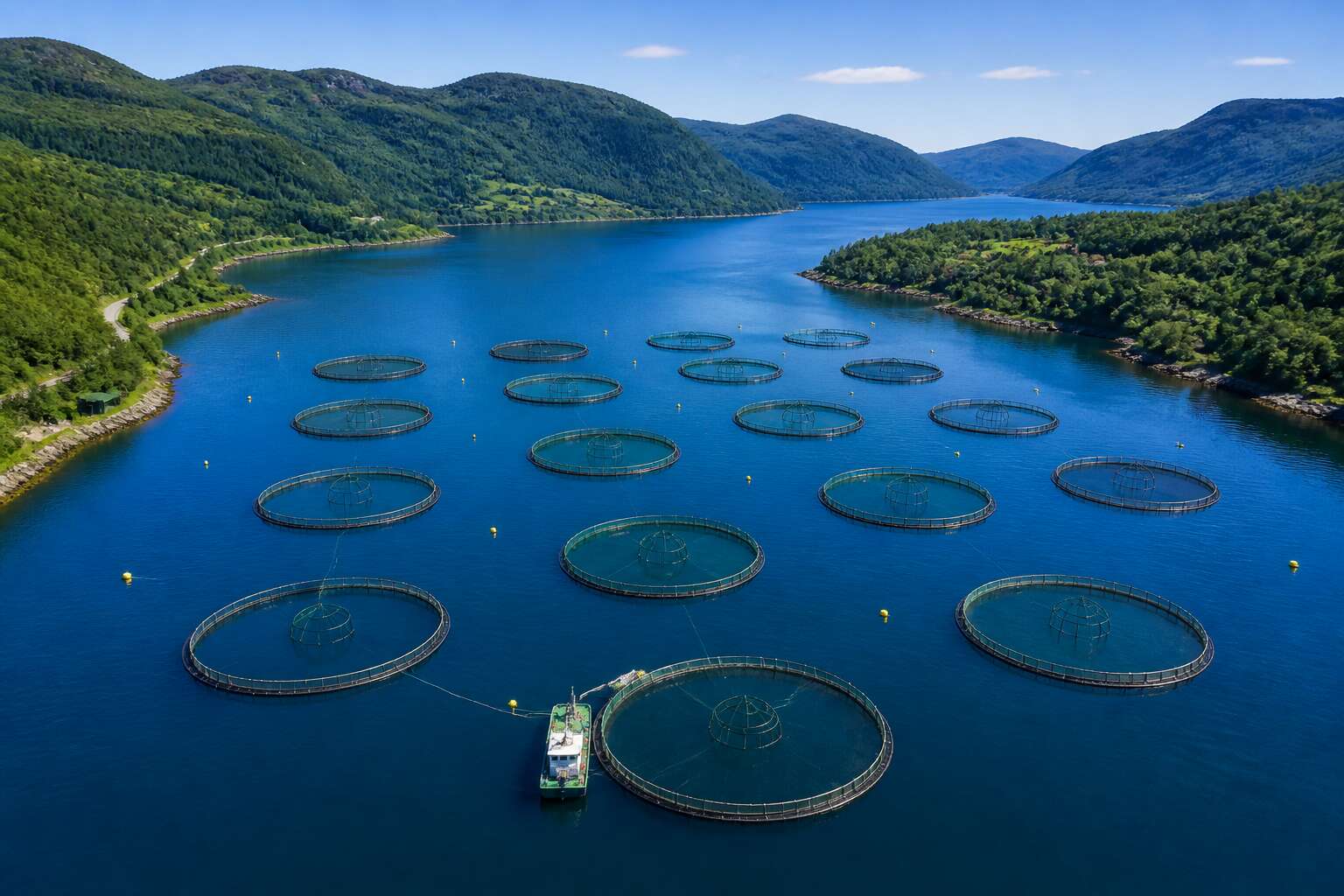
Fish farm pictures rarely get the respect they deserve. Most people scroll past a blurry net pen without a second thought. Yet aquaculture photography has its own quirks, and exploring those styles is oddly delightful. Take aerial shots, for instance. They turn a cluster of cages into geometric art, though they also reveal exactly where your breakfast swam yesterday. Underwater photos are another beast. They capture fish mid-munch, with water clarity that ranges from crystalline to questionable.
Some photographers swear by the documentary approach:
- wide frames showing entire farms
- close-ups of gill details
- action bursts of feeding frenzies
Each style tells a different lie about farm life. The best fish farm pictures balance honesty with a dash of flourish, much like a good fish braai story.
A Practical Guide to Photographing Fish Farms
South Africa’s aquaculture sector produced over 8,000 tonnes of fish in 2022, yet fish farm pictures remain scarce. Photographing these operations requires more than a camera; it demands an understanding of water’s reflective nature and the rhythm of feeding times.
Early mornings offer the clearest water. The low sun cuts through the surface, revealing net patterns and fish movement. I prefer shooting from elevated walkways, where the geometric layout of tanks becomes visible.
- Water clarity shifts with feeding schedules, when fish rise in dense silver clusters.
- Polarising filters remove surface glare, exposing the fish below.
- Workers moving along walkways provide a sense of scale to the vast tanks.
These images often fail because they miss the sensory reality of the site. The hum of aerators, the smell of feed, the constant motion of water. The best photographs capture all of it, creating an honest portrayal that stands apart!
Ethical and Legal Considerations for Farm Imagery
A single photograph can reshape public trust faster than any sustainability report. For South African aquaculture operations, fish farm pictures are not mere marketing assets. They carry legal weight and ethical consequence.
In my experience, capturing these images requires navigating consent protocols for workers, biosecurity restrictions on outside equipment, and the subtle perils of misrepresentation. A pristine tank might hide welfare issues, while a grim frame could unfairly condemn an honest operation.
Consider the unspoken rules:
- Respect workers’ dignity and privacy
- Disclose any staging or alteration
- Secure written permission for species and site
South Africa’s consumer protection laws penalise deceptive visuals, and animal cruelty statutes apply even to posed shots. Fish farm pictures that ignore these realities invite litigation, or worse, the quiet judgement of an informed public. A respectful camera, by contrast, costs nothing and preserves everything.
Maximizing the SEO Value of Your Fish Farm Images
Aquaculture is the fastest growing food production sector on Earth. Yet most operations rely on the same stock imagery. That is a missed opportunity. Your fish farm pictures should document your specific systems, water quality, and stock health. A generic tank tells a buyer nothing. A photo of your aeration rig shows them you care about dissolved oxygen levels.
Great images translate into a lower bounce rate. Search engines notice when visitors stay to look. That is a direct ranking signal. I have seen operations transform their digital footprint simply by swapping out blurry, dated shots for crisp, authentic ones. Show the feed pellets, the grading table, the harvesting nets. Show the work.
Useful frames to capture:
– Clear water conditions with visible feeding behaviour
– Biosecurity measures like footbaths and fencing
– Daily husbandry routines in action
– The scale of your ponds or RAS units
– Harvesting and packing procedures
These visual cues build trust with both commercial buyers and local consumers. The keyword “fish farm pictures” is not just a search term. It is a promise of transparency. Make sure your gallery delivers on that promise with every single frame.


0 Comments