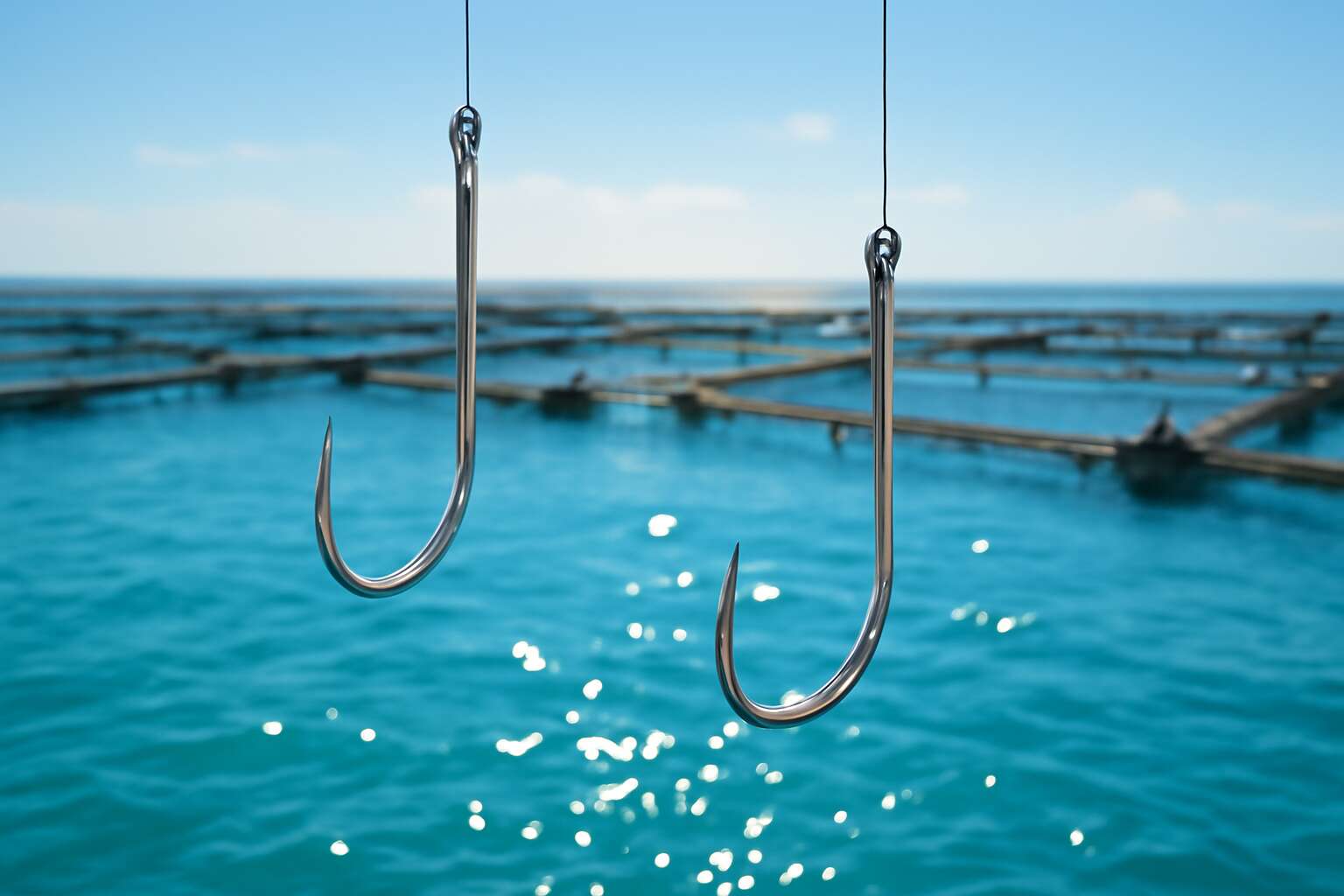
Types of aquaculture content hooks
Informational hooks about aquaculture basics
In a tide-washed corner of South Africa, a mentor’s words still echo: “Content that teaches travels farther than content that sells.” This is the pulse behind aquaculture 2 hooks, a strategy that pairs accessible basics with SEO finesse, inviting readers to linger on the page rather than click away.
Informational hooks about aquaculture basics frame the science—water quality, species selection, and feed strategies—without overloading readers with jargon.
- Informational hooks about aquaculture basics that distill core concepts into bite-sized facts
- Contextual hooks that tie farming practices to local South African ecosystems
- Narrative hooks built on real farm moments, turning data into an engaging plot
These hooks carry a gentle suspense, revealing how data can become a narrative that informs strategy without shouting.
The flow remains tactile, natural, and respectful of SA readers seeking credible insight.
Problem-solution hooks for sustainable farming
Across South Africa, climate and market realities shape how readers respond to farming stories. Problem-solution hooks refract tough issues into plausible paths, and aquaculture 2 hooks can steer sustainable farming toward credibility rather than doom. These hooks invite readers into a conversation where a problem is not an endpoint but a pivot point, a narrative that respects data and the reader’s judgment!
- Polluted runoff and nutrient surges → present a path to smarter feed and waste reduction.
- Fluctuating water temperatures → pair local species with flexible management strategies.
- Rising energy costs in hatcheries → frame efficiency and renewable solutions as core design principles.
Placed in the right context, these problem-solution hooks become staying power: they translate numbers into narratives that resonate with readers and search engines alike.
Statistical hooks with data on aquaculture growth
More than half of the seafood we eat now comes from aquaculture, and the number alone pulls readers in. I’ve seen readers lean in when those numbers land. Those data points don’t sit in a chart; they steer the story toward credibility. In South Africa, audiences expect results, not hype, and statistics help bridge that gap. This is where aquaculture 2 hooks come into play—they fold growth metrics into a narrative readers can trust.
- Global production has grown steadily, with aquaculture accounting for a rising share of seafood supply.
- In local markets, tilapia and shrimp volumes show consistent year-on-year gains.
- Efficiency gains in feed and energy lower costs while keeping output on an upward trajectory.
When powered by solid numbers, these statistics become staying power—they translate numbers into a narrative that resonates here in SA and beyond.
Question-based hooks to engage readers
Questions pull readers like a tide—start with one and the rest follows. In South Africa, trust is earned with the first line, not a loud claim, and question-based hooks do the heavy lifting for aquaculture storytelling. This is aquaculture 2 hooks—the approach that folds curiosity into credibility, guiding readers from doubt to engagement without shouting.
Consider these prompts to shape your piece:
- What single question will keep SA readers scrolling through your aquaculture story?
- Which farming challenge can your piece turn into a compelling mystery rather than a simple report?
- How does growth in the sector translate to everyday farm outcomes, right from the opening line?
Used judiciously, these questions frame narrative arcs and drive SEO through natural, human writing.
Trend-driven hooks highlighting innovations in aquaculture
In South Africa, the tide of aquaculture is turning: last year’s harvest rose 11%, a signal that trend-driven hooks can move markets. aquaculture 2 hooks fold curiosity into credibility, turning doubt into a reason to read on. The opening question should promise real-world intrigue, not a boastful claim.
- Recirculating systems that improve water efficiency while expanding yield
- Offshore and near-shore farming using AI, sensors and drones
- Biological resilience through probiotics and targeted biosecurity
Trend-driven hooks spotlight innovations reshaping the industry. They frame progress as questions with answers waiting just beyond the next line, inviting readers to follow the story from concept to consequence in a single read. The result is SEO-friendly storytelling that still hums with human curiosity!
SEO strategy for aquaculture content
Keyword strategy for aquaculture topics
Across South Africa, online interest in aquaculture has surged, signaling a shift that won’t be bottled in footnotes. aquaculture 2 hooks are a compass—tuning content for readers craving crisp insight rather than fluff. I’ve seen pages turn into conversations that stick!
For keyword strategy, pace is king. A natural density near 1% keeps copy readable and SEO-friendly. Weave long-tail phrases tied to local contexts (South Africa, SADC markets, coastal farms) and keep aquaculture 2 hooks near the top third of pages. The aim is readability that matches search intent and year-round traffic.
To shape the framing, consider these signals:
- Audience intent: informational
- Formats: quick reads, visuals
- Local relevance: SA markets
That balance keeps readers in the pocket and makes aquaculture 2 hooks feel lived-in, not manufactured! The cadence here is crafted with care to invite dialogue and reflection, not noise.
Long-tail keyword ideas for aquaculture
In South Africa, online searches for sustainable farming rose 28% last year, a stubborn beacon for those of us who write with intention. SEO strategy here is less about noise and more about quiet precision.
I see long-tail phrases rooted in local realities shaping intent—coastal farms, SA markets, and the SADC corridor. Consider these ideas:
- south africa aquaculture market trends
- coastal fish farming South Africa best practices
- SA markets coastal farming insights
I know aquaculture 2 hooks aren’t tricks; they’re navigational alignments—ways to mirror readers’ questions with crisp insight, and to minimize fluff while honoring search intent.
The work is moral, not merely metric; content becomes a bridge between curiosity and responsibility, and that bridge must bear SA’s communities.
On-page optimization elements for aquaculture content
Across South Africa, online searches for sustainable farming rose 28% last year—this beacon guides content crafted with quiet precision.
On-page elements act as quiet guides, shaping how readers move from headline to heart of the piece. Consider these on-page elements:
- title tags and meta descriptions aligned with reader intent
- natural header order (H1 to H3) for scanning and rhythm
- alt text that reflects SA coastal realities
- internal links that trace a humane path through aquaculture topics
These navigational alignments—the aquaculture 2 hooks—mirror readers’ questions with crisp insight, keeping a bridge between curiosity and responsibility in South Africa’s communities.
Let the language be a lighthouse: precise, human, and respectful of place.
Internal linking and content architecture for aquaculture
Across South Africa, searches for sustainable farming surged 28% last year, a signal that readers crave clarity and responsibility. Numbers alone won’t build trust; the way a story is structured can guide comprehension with quiet confidence.
Internal linking and content architecture act as navigational constellations. Clarity matters. The aquaculture 2 hooks framework aligns reader questions with crisp insight, guiding from headline to heart while signaling relevance to search engines. A calm, purposeful link map keeps content humane and discoverable.
- Build a hub-and-spoke model that connects related aquaculture topics through contextual links.
- Choose anchor text that mirrors reader intent and reflects SA coastal realities.
- Favour contextual links over scattered references to maintain flow and indexability.
Seasonal and topical SEO opportunities in aquaculture
Seasonal tides in SEO pull readers toward what matters: clarity and trust. In South Africa’s coastal markets, sustainable farming queries rose 28% last year, signaling readers crave direction. The aquaculture 2 hooks framework aligns questions with crisp insight, guiding from headline to heart with quiet confidence.
Seasonal and topical windows offer fertile ground for search visibility. Consider these themes:
- Seasonal species cycles on SA coasts
- Weather and water quality in harvest windows
- Coastal festivals and sustainable seafood narratives
To keep content humane and discoverable, a hub-and-spoke map links topics through contextual anchors that reflect reader intent and SA realities. This is the heart of the aquaculture 2 hooks framework, guiding from curiosity to confidence.
Credibility and trust in aquaculture content
Citing industry reports and expert quotes
Trust isn’t a garnish in South Africa’s aquaculture narrative—it’s the currency. Industry reports show that content anchored by credible sources wins trust more quickly, and a leading aquaculture analyst reminds us, “Trust is the currency of the sector.” This aligns with the aquaculture 2 hooks framework, where credibility underpins every claim and invites reader engagement.
To anchor claims, cite industry reports and expert quotes with verifiable data. Consider sources like:
- FAO Fisheries and Aquaculture Department
- South African Aquaculture Association
When readers see recognized authorities, skepticism gives way to confidence—a subtle but powerful shift in perception.
Using case studies and success stories
Trust is the currency of South Africa’s aquaculture narrative. When a story rests on data from the FAO Fisheries and Aquaculture Department and the South African Aquaculture Association, skepticism gives way to curiosity. A leading aquaculture analyst puts it plainly: ‘Trust is the currency of the sector.’ Credible sources anchor every claim, from feed innovations to markets, inviting readers to weigh evidence rather than hype.
Here are succinct, human-scale illustrations from real farms that prove the point:
- Case study: a KwaZulu-Natal tilapia operation reduced waste and boosted yields through data-driven feeding regimes aligned with FAO guidelines.
- Case study: shellfish growers paired with SA Aquaculture Association best practices to strengthen biosecurity and market reliability.
- Case study: a coastal prawn project linked transparent reporting to stronger local partnerships and investor confidence!
That is the essence of aquaculture 2 hooks: tying every claim to verifiable data, letting human stories carry trust forward.
Safety, ethics, and regulatory hooks
South Africa’s aquaculture sector posted 6% growth last year, proof that credibility translates into steadier markets. Credibility isn’t a badge; it’s a track record of transparent data and verifiable claims. When statements are anchored by FAO and the South African Aquaculture Association, skepticism yields to curiosity!
Safety, ethics, and regulatory hooks form the backbone of trustworthy content. They ensure claims stand up to standards, licenses, and audits. Consider these checks:
- End-to-end traceability from hatchery to market
- Independent audits and HACCP/ISO compliance
- Robust biosecurity and incident reporting
This is how aquaculture 2 hooks stay credible: tie every claim to verifiable data, and let human stories carry trust forward.
Visual content and data visualization hooks
In the hush between market forecasts and thunderous headlines, South Africa’s aquaculture sector posted 6% growth last year—a lighthouse for investors and regulators alike. These are the aquaculture 2 hooks: visual content and data visualization that turn dry claims into credible sight. When charts, maps, and timelines lean on FAO data and the South African Aquaculture Association, skepticism loosens its grip and curiosity takes root.
Visual storytelling should rest on verifiable data, not bravado: color-coded charts, species-specific growth curves, and regional performance dashboards that readers can inspect line by line. Let sources and methods stand beside the visuals, and use accessible legends so the truth is legible at a glance.
Behind every datum lives a human thread—a farmer, a researcher, a hatchery technician—and the best graphics whisper their stories aloud. The result is trust that travels beyond numbers, inviting readers to explore, question, and believe!
Content formats and distribution strategies
Blog posts and tutorials that perform
A post can ripple farther than the tide, turning a casual scroll into steadfast interest. aquaculture 2 hooks beckon with grace, weaving curiosity into climate-smart choices and industry optimism. It is not mere noise; it is a current with purpose.
Content formats and distribution strategies that perform aren’t esoteric; they are listening tools. Blog posts and tutorials that perform thrive when clarity, visuals, and pace align. The following formats keep readers moving:
- Long-form posts with scannable subheads and embedded visuals
- Step-by-step tutorials that translate theory into practical action
- Concise video explainers and micro-clips for social feeds
- Downloadables such as data sheets and checklists for quick reference
Distributing with a local cadence—newsletter rounds, partner networks, and targeted industry sites—helps the message land where it matters! For readers, clarity endures; for publishers, ripple effects outlast the season.
Video scripts and YouTube hooks for aquaculture topics
“The best aquaculture stories don’t just show water—they stir it.” In South Africa’s coast and inland bays, video scripts and YouTube hooks can turn a casual scroll into steadfast belief, guiding audiences toward climate-smart choices and vibrant industry optimism. Content formats become currents of impact.
For aquaculture 2 hooks, video scripts thrive when visuals, pacing, and purpose align.
- Scene-setters at dawn over tidal ponds
- Concise expert soundbites that cut to core claims
- Data-driven visuals showing growth and impact
- Before/after storytelling of farm improvements
Distributing with a local cadence lands the message in regional outlets, trade portals, and community networks, letting the cadence of a well-timed release carry the story to readers where they gather.
Infographics and data-driven visuals
Regional reports show double-digit growth in the last five years, a stat that demands visuals. “Data beats conjecture—visuals turn numbers into belief,” as one analyst puts it, and South Africa’s coast and inland bays respond to that spark. Infographics and data-driven visuals translate complex metrics—yield per square meter, feed conversion, carbon intensity—into a clear narrative that compels stakeholders to act.
Infographics bring aquaculture 2 hooks to life through concise, scenically anchored formats:
- Charts that compare species performance across regions
- Time-lapse visuals of pond improvements and harvest cycles
- Interactive maps showing supply chains and distribution reach
- Before/after data slides that showcase efficiency gains
Distributed with a local cadence, these visuals ride the wave through regional outlets, trade portals, and community networks, letting the cadence of a timely release carry the story to readers where they gather.
Social media hooks and audience engagement strategies
Bold storytelling travels farther than long prose in South Africa’s aquaculture dialogue. “Data beats conjecture—visuals turn numbers into belief,” an analyst reminds us, and readers across the coast respond when numbers arrive with context and local texture.
The concept of aquaculture 2 hooks demands formats that are bite-sized and regionally anchored, easy to share across SA’s mobile-first networks. Think short-form videos, carousel posts, and crisp infographics paired with regional mini case studies; a distribution map across local outlets, trade portals, and community networks keeps the cadence timely.
- Short-form explainer videos
- Carousel infographics
- Regional case studies
Social media hooks and audience engagement strategies lean into platform-native language, local references, and questions that invite dialogue. Collaborations with coastal communities and inland bays amplify trust, while timely topics keep readers returning for more insights into aquaculture in South Africa.
Podcasts and audio content ideas for aquaculture
Coastal screens glow with bite-sized updates, and in South Africa, listeners value authenticity over glossy graphs. “Data lands when it’s spoken,” an analyst reminds us, turning numbers into trust. aquaculture 2 hooks demand formats that are short, regionally anchored, and ready to travel across SA’s mobile-first networks.
Podcasts and audio content ideas for aquaculture include:
- micro-episodes with regional farmers sharing crisp, practical insights
- sound-rich field reports from coastal ponds and inland bays
- audio explainers paired with regional mini case studies
- Q&A sessions with regulators and researchers in local dialects
Distribute through mobile-first channels: partnerships with community radio, regional portals, and trade networks, with transcripts and captions to widen accessibility.

0 Comments