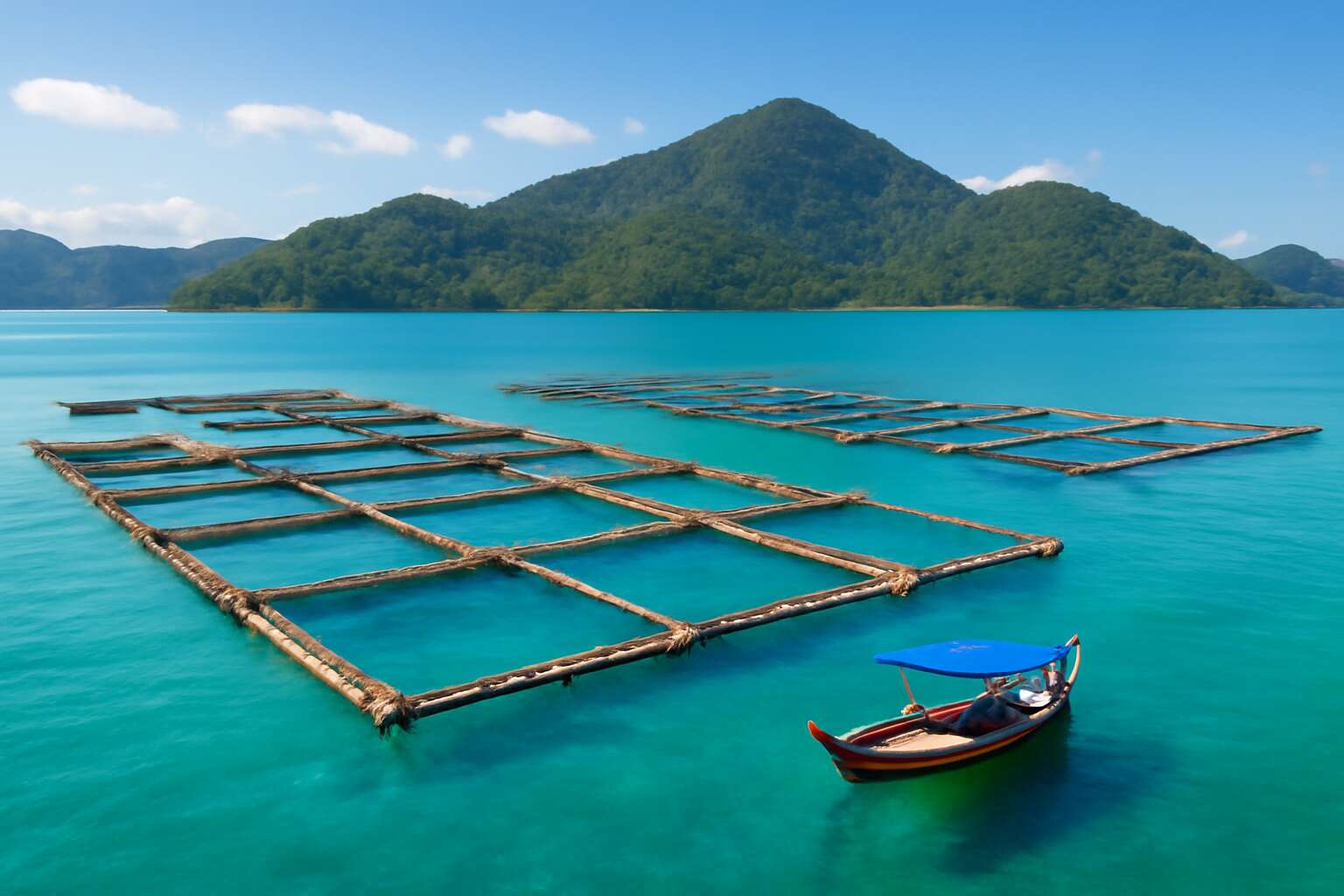
Langkawi fish farming landscape and opportunities
Langkawi aquaculture overview
From Langkawi’s sunset skies, the fish farm langkawi landscape unfolds as a living map of possibility. In recent years, Langkawi aquaculture has posted double-digit growth, a telling sign that sustainable finfish farming can thrive in tropical seas. Floating cages ride the tides, while sheltered bays and clear currents invite dependable yields—so long as water quality and harvest discipline are tended with care.
An overview of Langkawi aquaculture reveals opportunities beyond routine harvest: premium species, value-added processing, and climate-resilient systems that recycle nutrients rather than waste them.
- Proximity to growing domestic and regional markets
- Licensing and regulatory frameworks
- Access to quality feed, seed stock, and veterinary services
A few lines of myth and market: the sea here offers stories as old as monsoon winds, and clever farmers listen—tailoring practices to temperature, salinity, and demand. The result is a vibrant ecosystem where the archipelago becomes a beacon for coastal livelihoods.
Economic impact and agri-tourism in Langkawi
A double-digit surge has redefined Langkawi’s coastline, turning quiet coves into logistics hubs. The fish farm langkawi landscape is a living map of possibility, where floating cages kiss the sun and currents cradle reliable yields. In recent years, this growth has reshaped livelihoods and nudged coastal planning toward sustainability with ambition.
- Farm tours and tasting experiences
- Floating cage demonstrations and seafood markets
- Local crafts and sea-to-table collaborations
Economic impact ripples through jobs and agri-tourism draw curious visitors, including South Africans seeking sustainable seafood. That identity signals a model where production and experience intertwine, quietly expanding coastal livelihoods.
Sustainable farming practices in Langkawi
A double-digit tide of change has reshaped Langkawi’s coast, and the fish farm langkawi tableau stands as its most eloquent punctuation! Floating cages glitter under the sun, and the currents cradle reliable yields, even as visitors swap stories about the sea’s sharp pragmatism. The island’s soundtrack now includes the soft clink of netting and the occasional cheer from a harvest, a reminder that sustainability can be profitable without grandstanding.
Beyond romance, sustainable farming practices steer the arc of growth. Langkawi champions integrated multitrophic systems, careful siting to minimize impact, responsible feed sourcing, and robust waste management that keeps reefs fed with life rather than excuses. This pragmatic tailoring creates steady livelihoods and invites curious South African audiences to see aquaculture as a coasting partner rather than a distant industry.
- Integrated multitrophic aquaculture to balance nutrients
- Efficient, low-energy cage designs and waste capture
Choosing and partnering with Langkawi fish farms
Langkawi’s sea-woven landscape hosts a patient, nocturnal industry where floating cages glint like lanterns at dusk. In recent seasons, the fish farm langkawi ecosystem has shown how integrated multitrophic systems reduce waste and stabilize yields, even as the currents cradle harvests. For South African readers, it reads as a living map of sustainable opportunity—where taste and stewardship share the same breath and profit wears a quiet, respectable mask. I hear the tides whisper of partnerships that outlast fashion.
- Due diligence with accredited Langkawi operators
- Transparent supply chains and traceability
- On-site compatibility with South African market demands
Choosing partners among the fish farm langkawi network means weighing reliability, biosecurity, and storytelling as one. The landscape rewards patient collaboration, with hatchery assurances and feed chains that travel well to the South African table, turning curiosity into consistent, premium supply.




0 Comments