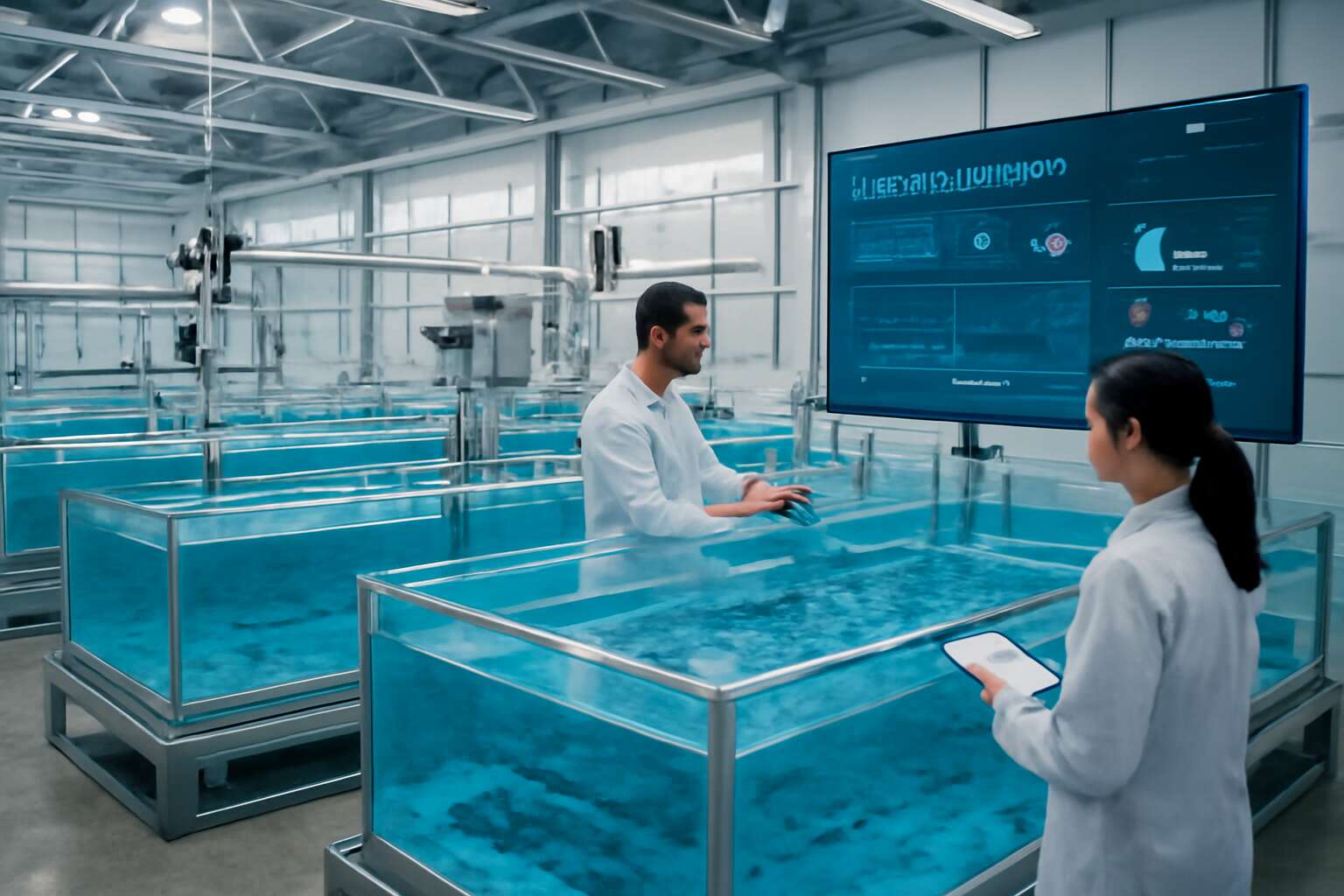
What is Xelect Aquaculture?
Definition and Core Concepts of Xelect Aquaculture
Global aquaculture now provides more than half of the seafood we consume, and xelect aquaculture sits at the center of that transformation. In South Africa’s bustling coastal economy, this approach turns traditional farming into a precise, data-informed enterprise—efficient, responsible, and surprisingly stylish.
What is xelect aquaculture? It is a performance-minded framework for farming aquatic species that unites controlled environments, targeted nutrition, and rigorous data analytics to deliver healthier stock, steadier yields, and a lighter environmental footprint.
Core concepts include:
- Sustainable feed efficiency and resource stewardship
- Recirculating systems and water quality precision
- Biosecurity, traceability, and data-driven decision making
In the South African context, xelect aquaculture translates to resilient supply chains, local expertise, and responsible growth—it’s a rare blend of tradition and modernity!
History and Evolution of Xelect Aquaculture
In a world where half the seafood on our plates comes from farms, xelect aquaculture stands at the frontier of South Africa’s coastal economy—where the sea meets data-driven craft. The result is more than safe fish; it’s a signal of resilient local supply and modern stewardship.
From humble ponds and seasonal nets, the story traces an arc toward precision farming—an evolution powered by curiosity, infrastructure, and hands-on knowledge from the coast.
- Traditional coastal ponds and family-scale operations
- Adoption of recirculating systems and water quality management
- Digital farming: sensors, analytics, and end-to-end traceability
The modern chapter reframes the approach as a performance-minded ecosystem, blending South Africa’s coastal heritage with forward-looking technology to deliver healthier stock and steadier yields—without sacrificing care for water and local communities.
Core Components and System Architecture
Across South Africa, nearly 40% of coastal seafood now comes from farms, and xelect aquaculture brings that reliability to life with data-driven poise. A veteran skipper once quips, ‘The sea rewards curiosity with steady yields.’
It fuses coastal know-how with a disciplined digital backbone. Its core components include:
- Recirculating Aquaculture Systems (RAS) for water reuse
- Real-time water quality sensors and automated monitoring
- Intelligent feeding and welfare management
- End-to-end traceability and data lineage
- Cloud analytics and practitioner dashboards
System Architecture stands at the heart of xelect aquaculture, a layered design turning salt and science into scalable yield. Tanks, sensors, and control units feed a cloud platform where dashboards guide decisions.
The blend of heritage and innovation keeps communities central—healthy stock, steady supply, and shared pride in stewardship.
Key Differentiators from Traditional Aquaculture
Across South Africa, nearly 40% of coastal seafood now comes from farms, and xelect aquaculture is turning that promise into steady, data-poised harvests. It is more than farming; it’s a dialogue between salt and silicon, where coastal know-how meets a disciplined digital backbone. This approach elevates effort into reliable yield through intelligent systems and a shared stewardship that keeps communities at the center.
Key differentiators from traditional aquaculture include:
- Real-time decision-making that reduces waste and closes the feed loop
- End-to-end traceability with transparent data lineage
- Water-reuse through recirculating systems for steady, year-round production
- Dashboards designed for practitioners, bringing science into everyday practice
In this fusion of sea and silicon, it speaks with practical poetry: reliable supply, healthier stock, and a future where South African coastal communities share in the bounty.
Xelect Aquaculture Technologies and Systems
Water Quality Control and Environmental Management
Across South Africa’s aquatic farms, every drop of water can determine a harvest. In SA, precise water quality control can lift yields by up to 18%, turning ordinary seasons into legends of abundance. xelect aquaculture offers a living map where sensors weave oxygen, salinity, and temperature into a breathing tapestry that keeps stock thriving.
Technologies and systems transform data into daily practice. They monitor real-time conditions, automate dosing, and alert managers before problems rise.
- Real-time monitoring
- Automated dosing and filtration
- Predictive analytics for risk management
Beyond the tanks, the approach guides environmental stewardship—efficient water reuse, waste capture, and biosecurity that protect local ecosystems. In SA, this philosophy supports smallholders and larger producers alike, turning challenges into sustainable advantage.
IoT and Automation in Xelect
In SA’s heartland, xelect aquaculture feels like a neighbour at dawn! Subtle sensors translate temperature and oxygen into a living map that steadies every stock, turning uncertainty into calm and predictable mornings.
IoT and automation guide daily work at xelect aquaculture.
- Live dashboards turning data into quick, clear decisions
- Remote control of pumps and valves from anywhere
- Predictive alerts that flag issues before they slow production
This approach supports smallholders and larger producers alike, marrying modern tech with the enduring resilience of rural markets.
Sensor Technologies and Data Analytics
Morning in SA’s aquaculture heartland is louder—the hum of sensors keeps stock steady. A pilot shows up to 26% more consistent harvests when ponds are mapped in real time. xelect aquaculture turns temperature and oxygen into a living map that steadies stock.
Sensor Technologies and Data Analytics form the spine of the approach. High-resolution probes, ambient meters, and data pipelines translate noise into nuance, delivering calibrated insights that help managers predict stress, optimize feeding, and reduce waste.
- Sensor fusion and early anomaly detection
- Cloud analytics for regional trends
- Edge computing for pond-side decisions
Readers get secure dashboards, remote adjustments, and calmer ponds. The system suits smallholders and large producers alike, slipping into rural markets with resilience that laughs at unpredictable weather and fickle supply chains.
A blend of hardware and insight, it’s not sci-fi—it’s the dawn-friendly toolkit that keeps fish fed and forecasts friendly.
Feed Technology and Nutrition Optimization
Across South Africa’s ponds and estuaries, every mouthful counts. xelect aquaculture translates that arithmetic into living nutrition, turning feed into steady, predictable growth. In regional trials, nutrition optimization has yielded noticeably better feed conversion and more uniform harvests when diets echo fish life stages and local temperatures.
Systems Feed Technology blends palatable formulations with precise nutrient balancing. By tuning protein blends, amino acids, and energy, it supports species-specific needs, enhances digestibility, and minimizes waste. Real-time data guides rations to match appetite and growth curves, keeping shoals calm and ponds productive.
- Species-tailored feed profiles
- Digestibility and gut health optimization
- Stage-based rationing and waste reduction
Across South Africa, xelect aquaculture offers a scalable path for smallholders and large producers alike, turning nutrition into a dependable pillar of resilience.
Recirculating Aquaculture System Design Considerations
Xelect aquaculture technologies reshape Recirculating Aquaculture System design by prioritising resilience, modular scalability, and precise control. In practice, the emphasis falls on compact biofilters, efficient solids management, and energy-conscious water turnover—an approach that mirrors South Africa’s varied climates and water realities. The goal is clean water, steady growth, and humane stock handling, achieved through rigorous engineering and thoughtful system architecture.
- Modular filtration trains for scalable capacity
- Energy recovery and efficient pumping
- Accessible layouts for maintenance and biosecurity
Within xelect aquaculture, pump efficiency, reliable oxygenation, and integrated nutrient handling translate into lower operating costs and stronger environmental stewardship. A well-planned footprint supports regional supply chains and makes RAS more approachable for both smallholders and larger producers across South Africa.
Implementation and Operations
Site Selection and Facility Planning
Across South Africa, an optimally chosen site can cut energy and water costs by up to 30%, turning a good project into a resilient one. For xelect aquaculture, site selection isn’t an afterthought—it’s the engine that powers steady production and predictable quality.
Key determinants include water source reliability, climate, zoning, and access to power. Below are core factors that shape a successful installation:
- Water availability and quality (borehole yields, rainfall patterns, salinity)
- Grid reliability and backup power options
- Zoning, permits, and land-use constraints
A compact, scalable footprint with thoughtful workflow reduces long-term costs and downtime.
Facility planning should echo the operation’s data-driven backbone—easy-to-clean layouts, biosecurity buffers, and space for future modules. In this way, xelect aquaculture projects emerge as efficient, humane, and climate-resilient farms!
Installation and Commissioning Timeline
In xelect aquaculture, timing is everything, a bold heartbeat that keeps water clean and power steady. The installation timeline isn’t an afterthought but a design parameter. As a seasoned project lead quips, “We choreograph the storm, not chase it.” That mindset yields a commissioning window that preserves quality and minimizes downtime, even when South Africa’s grid and climate throw curveballs.
Implementation unfolds across a concise, high-level timeline that stakeholders can align around:
- Design lock-in and procurement alignment
- Site readiness, logistics, and risk mitigation
- Installation, integration, and factory testing
- Commissioning, validation, and handover
Across South Africa, coordinating engineers, regulators, and operators shapes the pace, turning complexity into a predictable journey that supports steady production and humane, climate-resilient farming.
Daily Operations and Maintenance
Every heartbeat of xelect aquaculture is measured in minutes, because downtime costs more than money. In our facilities, daily operations fuse vigilance with grace, turning weather and a fickle grid into predictable performance and climate-resilient farming that sustains the stock and the people who care for it!
Key daily routines anchor performance and safety.
- Constant sensor and actuator health checks
- Daily water quality profiling and precise dosing adjustments
- Preventive maintenance windows for pumps, filtration, and aeration
- Staff handovers, safety briefings, and documentation discipline
Beyond routine checks, maintenance is powered by remote dashboards that flag anomalies before they become problems, ensuring quick, deliberate responses to South Africa’s climate quirks and occasional load-shedding. The goal is steady production with humane, sustainable farming practices that respect the water and the workforce.
Risk Management and Biosecurity
Efficiency hinges on risk, not reaction. In xelect aquaculture, implementation and operations risk management sits at the heart of every decision—from facility layout to day-to-day response playbooks. Redundancy, clear ownership, and data-driven escalation turn uncertainty into predictable performance, even as South Africa’s grid flickers or storms roll in.
- Redundant power and water systems to prevent downtime
- Separated biosecurity zones and controlled access points
- Routine surveillance, rapid diagnostics, and veterinary partnerships
- Traceability, incident logging, and audit-ready records
- Emergency response drills and clear escalation paths
Biosecurity is a living protocol. With xelect aquaculture, hygiene, quarantine for new stock, vehicle controls, and supplier validation ride on every shift. The aim is continuity that respects the people and the water, even when climate quirks test the system.
Staffing and Training
In xelect aquaculture, staffing is the heartbeat that keeps the system steady through nights and storms. Implementation and operations hinge on people—technicians, supervisors, and veterinary partners who translate plans into dependable routines. A well-structured shift pattern respects fatigue and aligns with South Africa’s vibrant aquaculture scene.
- Cross-trained technicians who can pinch-hit across critical stations
- Clear ownership, with escalation paths spelled out in playbooks
- Structured onboarding and ongoing competency assessments
- Continuous upskilling via simulated drills and remote coaching
We train with a human touch, pairing seasoned mentors with fresh hands. In South Africa’s context, partnerships with local technical colleges and veterinary networks enrich every cohort, turning theory into ready-to-work practice. It feels almost musical when drills align with real-world rhythms!
Market Outlook, Economics, and Sustainability
Cost Structure and ROI
South Africa’s seafood demand is on a rising tide, with industry observers forecasting a steady 7% annual growth in sustainable production. xelect aquaculture sits at the heart of this wave, weaving clean water, compact footprints, and rapid time-to-market into a shimmering model.
Market outlook and economics reveal a compelling ROI. Capital expenditure runs leaner than traditional ponds, while operating costs fall through efficient filtration and prudent energy use. Payback periods typically run 3 to 5 years, depending on site, species, and market access.
- Modular scalability lowers upfront CAPEX
- Water and energy efficiency cut costs
- Predictive maintenance speeds ROI
Sustainability cost structure and ROI: Costs span capital, operations, and end-of-life considerations, but the closed-loop ethos slashes effluent, energy use, and water charges. The result is steadier margins, lower environmental impact, and resilient local employment. For South Africa, xelect aquaculture translates into durable profitability rooted in stewardship.
Market Demand and Growth Projections
South Africa’s seafood demand surged last year, riding a 7% annual climb as consumers seek clean, traceable options. xelect aquaculture sits at the heart of this wave, delivering compact, fast-to-market systems that conserve water and livelihoods. Market outlook remains buoyant, with rising exports and solid domestic consumption keeping coastal and inland markets on a steady upward track.
- Modular design reduces initial capex with phased expansion
- Efficient filtration and energy use lower operating costs
- Predictive maintenance minimizes downtime and speeds ROI
Sustainability Market Demand and Growth Projections: Closed-loop ecosystems slash effluent, energy, and water charges, delivering steadier margins and stronger local employment. For South Africa, xelect aquaculture offers durable profitability rooted in stewardship as demand for responsible seafood grows.
Sustainability Metrics and Certifications
South Africa’s seafood demand surged 7% last year, and xelect aquaculture sits at the heart of this shift, delivering compact, fast‑to‑market systems that conserve water and livelihoods. The market outlook remains buoyant as exports rise and domestic appetite stays sturdy across coastal and inland centers.
Economically, modular deployment and lower operating costs translate into quicker payback, even as production scales. The approach aligns with resilient supply chains and finance structures that favor phased expansion and predictable cash flow.
Sustainability metrics and certifications anchor profitability and community-friendly outcomes. Closed-loop systems slash effluent and energy demand while boosting local employment, and certifications validate responsible farming to retailers and diners alike.
- Certifications: ASC, GlobalGAP, ISO 14001
- Metrics: closed-loop water recycling, energy intensity per kg produced, traceability commitments
- Impact: measurable job creation and coastal stewardship
Policy and Regulatory Landscape
South Africa’s seafood demand surged 7% last year as coastal communities and inland towns lean into local protein security; xelect aquaculture sits at the heart of this shift, delivering compact, fast‑to‑market systems that slash water use and shorten supply chains. Export momentum remains buoyant while domestic appetite stays robust.
Modular deployment and lower operating costs translate into quicker payback, even as production scales. The approach supports resilient supply chains and finance structures that favor phased expansion and predictable cash flow, making the technology an attractive option for South African processors navigating currency swings and capital constraints.
Policy frameworks prize transparency and coastal stewardship, shaping project timelines with clear licensing and environmental reporting. In South Africa, regulators favour phased expansion, site suitability reviews, and water-use oversight, while certifications and metrics validate responsible farming to retailers and diners alike.
- ASC
- GlobalGAP
- ISO 14001
Export and Supply Chain Considerations
South Africa’s seafood demand surged 7% last year, reshaping how coastal towns connect with menus inland. xelect aquaculture sits at the heart of this shift, offering compact, fast-to-market systems that shorten the journey from lake to plate.
- Export momentum remains buoyant, widening access to regional markets.
- Domestic appetite supports steady production and price resilience.
- Financing models favor phased deployment and risk-adjusted ROI.
Economic upside comes from modular deployment and lower operating costs, delivering quicker payback amid currency swings and capital constraints. The model enables phased expansion and predictable cash flow, helping processors harmonize risk with growth.
Sustainability and export considerations anchor long-term value. Transparent reporting, coastal stewardship, and certifications validate responsible farming for retailers and diners alike. Efficient logistics and traceability reduce waste, expand markets, and strengthen supply chains against disruption.




0 Comments