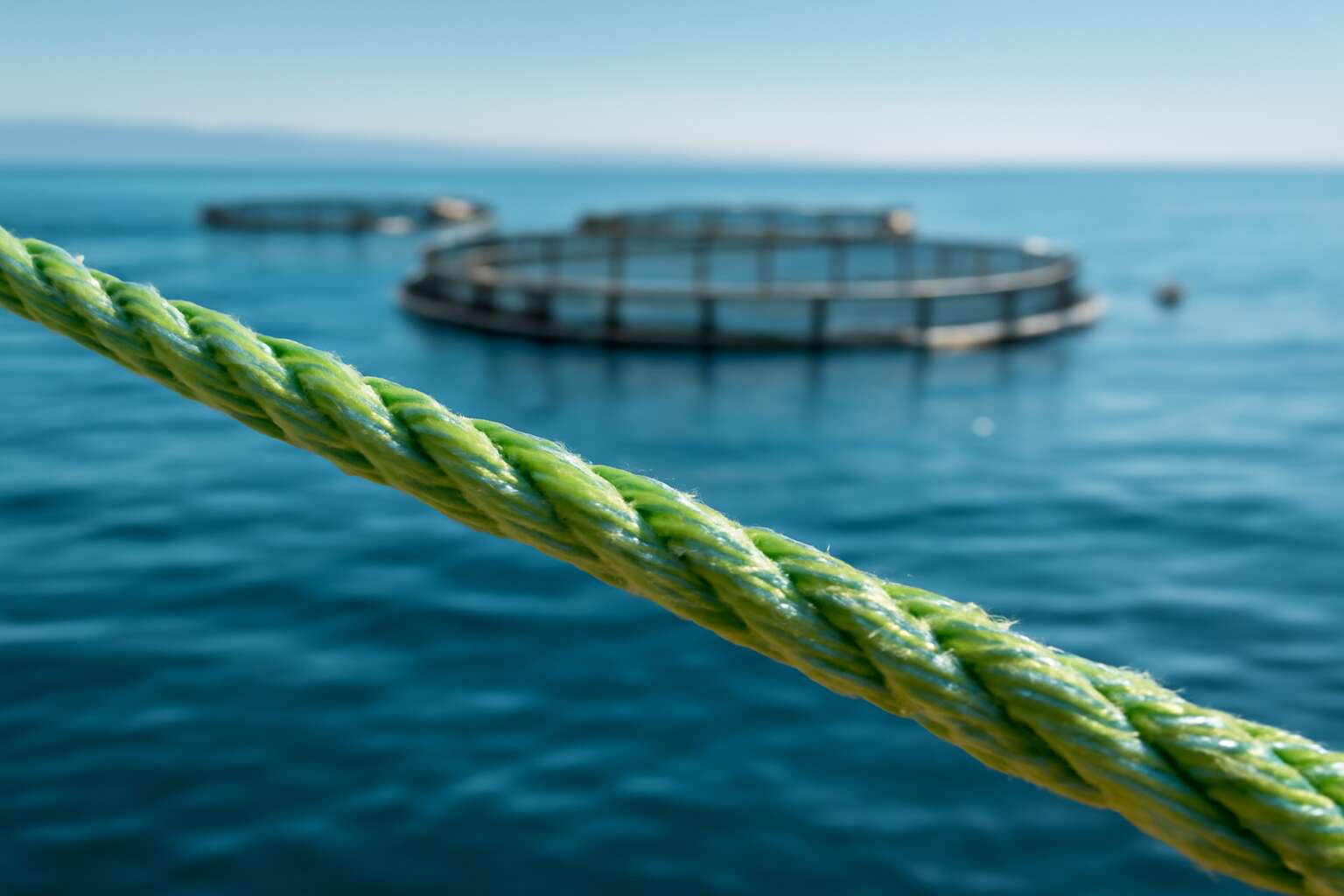
Fishing Line Aquaculture
Industry context and overview
Globally, aquaculture now accounts for about half of the seafood supply, a force reshaping coastal economies. In South Africa, a niche sits at a curious juncture of tradition and innovation, where disciplined design and ethics steer growth. This field blends marine stewardship with material science, turning everyday lines into habitats and turning risk into resilience.
Viewed as an industry context and overview, the approach prizes durability, environmental compatibility, and transparent supply chains. Local expertise, regulatory alignment, and community benefit are not add-ons but the sinew that keeps progress humane and sustainable.
- Durable, eco-friendly materials that curb microplastics
- Local skills development and supplier transparency
- Regulatory clarity and responsible environmental stewardship
This weaving of science and conscience shapes the trajectory of fishing line aquaculture 2 in the South African landscape!
Composition, materials, and design
The backbone of fishing line aquaculture 2 lies in its composition, where threads weave strength with quiet elegance. A well-balanced core and jacket deliver predictable performance under load, while mindful coatings keep the line smooth through sun, salt, and spray.
Materials blend synthetic discipline with ecological intent. A robust core offers low stretch and fatigue resistance; a flexible jacket guards against abrasion; and eco-conscious coatings curb microplastics while boosting knot security. In South Africa, this balance travels from workshop to water with transparent provenance.
- Core: high-twist nylon or copolymer for tensile strength
- Outer jacket: abrasion-resistant polymer with low friction
- Coatings: UV stabilizers and additives that reduce microplastic shedding
Design philosophy embraces modularity, repairability, and clear supply chains so gear can adapt from estuary to offshore reef without compromising the environment or user confidence. I hear the rhythm of waves as a reminder that a line is a promise kept with every cast.
Applications and integration in aquaculture
Across South Africa’s coastal farms, fishing line aquaculture 2 is redefining how we steward the sea—a line that promises resilience as tides turn. Operators report up to 40% less downtime from wear-resistant cores and low-friction jackets, especially in busy estuary currents. In practice, these lines thread through cages, moorings, and sensor nets, guiding every cast of care from hatchery to harbour.
Applied thoughtfully, the technology becomes the backbone of sustainable operations in local farms.
- Mooring stability for offshore cages and tidal flats
- Subsurface monitoring and feeding lines that minimize wildlife disturbance
- Collaborative reef-restoration and multi-trophic setups that align with community fishing goals
From workshop to water, the language of the line speaks of reliability, traceability, and quiet stewardship, one thread at a time.
Performance, maintenance, and troubleshooting
Across South Africa’s coastal farms, operators report up to 40% less downtime thanks to wear-resistant cores and low-friction jackets. In fishing line aquaculture 2, performance is durable design and steady deployment.
Maintenance rests on vigilance. A culture of regular, unobtrusive inspection and awareness of salt keeps lines behaving like well-trained finches—ready for the next net, cage, or buoy.
When trouble frowns, symptoms tell the tale. Watch for these signs, and you’ll start diagnosing without a full workshop syllabus:
- Fraying or micro-cuts along the sheath
- Stiffening, cracking, or loss of flexibility
- Unusual noise, creak, or kink under load
- Biofouling or slime that changes buoyancy or drag
In this ecosystem, the line is a living warranty—traceable, predictable, and quietly steadfast. Troubleshooting becomes interpreting a whisper from the system, nudging operators toward sustained health and longer cycles.
Market dynamics, ethics, and future directions
On South Africa’s mist-washed coast, market currents pulse with a 22% uptick in sustainable gear investments this year. The dawn of fishing line aquaculture 2 is shaping demand toward durable, traceable threads that endure salt and scrutiny, reducing downtime and elevating confidence in every cage and buoy. Buyers crave more than strength; they seek stories of clean supply chains! In this evolving economy, the line is not merely a product but a covenant between treacherous seas and conscientious hands.
- Regulatory standards rise
- Demand for eco-friendly materials
- End-of-life recycling grows
Ethics drift at the helm like a lantern in fog: sourcing, toxicity, and fair access to technology must coexist with profit. The future glints with regenerative polymers, open standards, and intelligent design that talks back to the sea, predicting wear and guiding a more resilient industry toward the next tide.




0 Comments