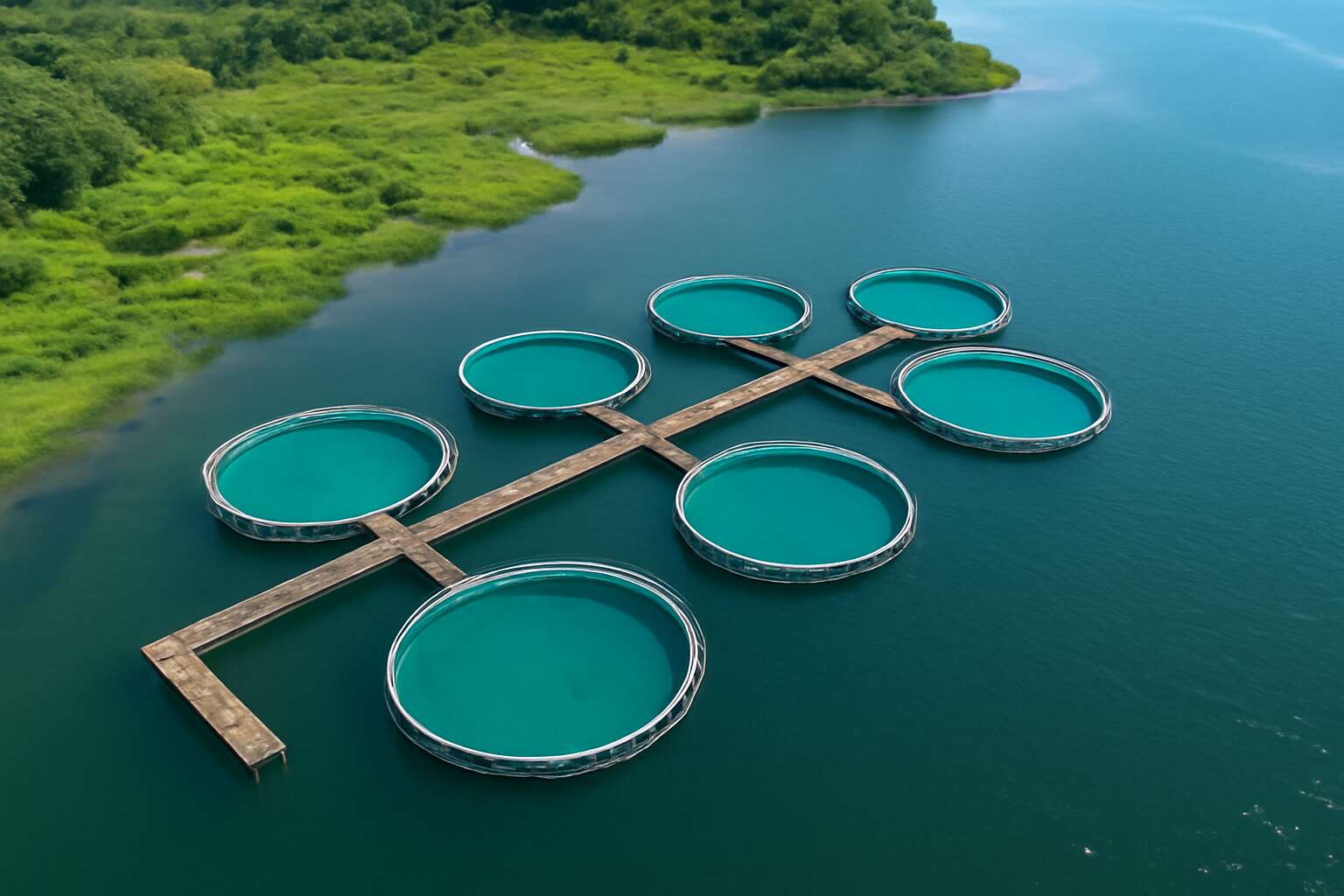
Fish farm or mirebinding: defining concepts and opportunities
Defining fish farm and mirebinding and how they differ
Global aquaculture now accounts for more than half of all fish consumed, a shift reshaping markets from Cape Town to KwaZulu-Natal. In South Africa, the conversation about fish farm or mirebinding points to two pathways for sustainable protein. A fish farm relies on precise control of water, stock, and harvest, while mirebinding weaves wetlands into production, letting natural filtration and nutrient recycling do the work. Both offer opportunities, yet they diverge in ecology and risk, inviting partners who value resilience as much as yield.
- Fish farm: intensive systems with tanks or ponds, controlled feeds, predictable yields.
- Mirebinding: wetlands-aligned practice blending fish culture with biodiversity and water purification.
- Opportunities: local jobs, climate resilience, export potential.
Understanding these definitions opens doors to partnerships with conservationists and investors, turning water into an asset rather than a challenge.
Historical context and modern relevance
Global aquaculture now accounts for more than half of all fish consumed, a quiet uprising along South Africa’s coastline and wetlands. The phrase fish farm or mirebinding glows in the margins—two paths through which water keeps secrets, one through stern control, the other through patient kinship with the river.
Historically, wetlands fed communities long before tanks rose from concrete. Mirebinding harkens to that elder bargain, where nutrient exchange and biodiversity work in tandem. I’ve stood at the edge and felt the hum of water, sensing how modern systems must balance yield with stewardship, risk with resilience.
- Local employment and skill development
- Climate resilience through diversified water management
- Export potential from niche, high-value products
For South African readers, the dialogue between fish farm or mirebinding becomes a quiet architecture—turning water into an asset and a story that endures beyond the harvest.
Key species and production profiles
“Water is the patient farmer,” a refrain along South Africa’s coastlines, guiding every fish farm or mirebinding. This pairing turns living water into opportunity—creating protein, livelihoods, and habitat health without sacrificing stewardship.
The choice of species and layout shapes resilience. Tilapia and African catfish stand out for local production, while mirebinding embraces brackish-tolerant options and wetland-friendly polyculture, weaving biodiversity into yield and job creation.
- Tilapia: fast-growing, adaptable to ponds and RAS, with local feed options.
- African catfish: hardy, forgiving, steady performance in warm South African waters.
- Brackish species (mullet, seabream juveniles): potential for mirebinding systems that blend wetlands and farms.
Economic opportunities and risks in mixed systems
Across South Africa’s shimmering coastlines, the future leans into a patient idea: fish farm or mirebinding, where water becomes a living ledger. Here, ponds feed wetlands and wetlands feed ponds, translating biology into protein, livelihoods, and healthier habitats with disciplined stewardship!
Economic opportunities flourish in mixed systems, weaving resilience into every harvest.
- Diversified harvests and steady local employment across seasons.
- Nutrient recycling that lowers input costs and boosts environmental credibility.
- Access to niche markets favoring sustainable, wetlands-integrated seafood.
Economic opportunities and risks in mixed systems are two sides of the same tide: scale sensitivity, market access, and policy support shape outcomes as surely as weather and water. Risks include climate volatility, salinity fluctuations, disease management, and capital intensity.
Sustainability and environmental considerations in fish farm or mirebinding
Water quality management and monitoring
Healthy water equals resilient harvests. In South Africa, sustainability guides every decision in aquaculture—from site selection to feed—protecting rivers and coastlines that communities rely on.
The term fish farm or mirebinding frames a system where water quality is the backbone of health and growth. Water quality management and monitoring keep dissolved oxygen, pH, temperature, ammonia, and turbidity within safe bands, while waste is kept in check through filtration and responsible feeding.
- Real-time sensors track dissolved oxygen, pH, temperature, and turbidity
- Biofilters and controlled feeding manage ammonia and nitrite levels
- Effluent treatment and discharge monitoring shield downstream ecosystems
Environmental considerations also demand native biodiversity protection, careful siting, and energy-efficient design. A disciplined data approach translates into steadier yields and less pressure on local water resources in South Africa’s mixed-water landscapes.
Waste treatment and nutrient cycling
Every litre left untreated shadows the next harvest. Here in South Africa, sustainability guides every choice in aquaculture—from siting to feed—and we know the discipline begins at the waste line. The fish farm or mirebinding hinges on turning effluent into value, protecting rivers and coastlines communities rely on.
Waste treatment and nutrient cycling are the backbone of resilience. Real-time sensors, biofilters, and controlled discharge keep nutrients in balance—something I see daily in practice—and the system thriving without harming downstream life.
- Settling basins and primary treatment to remove solids
- Biofilters and algae or herbs to capture excess nutrients
We pursue native biodiversity protection, careful siting, and energy-efficient design. A disciplined data approach translates into steadier yields and less pressure on water resources in South Africa’s mixed-water landscapes.
Ecological impacts and mitigation strategies
Water is the stock exchange of South Africa’s aquaculture. A litre of untreated effluent shadows the next harvest, so sustainability guides every move—from siting to feed—and the discipline begins at the waste line, protecting rivers and coastlines for all!
Ecological impacts and mitigation strategies are the resilience ledger for a fish farm or mirebinding. Whether you call it that, the aim is the same: shield habitats, bolster biodiversity, and manage nutrients with care. Here are core measures:
- Thoughtful siting with buffers to shield waterways
- Biofilters, algae, and constructed wetlands to capture excess nutrients
- Recirculating systems and energy-efficient design to reduce water demand
- Robust escape control and disease prevention protocols
By weaving biodiversity protection, careful siting, and disciplined data monitoring, we keep South Africa’s mixed-water landscapes thriving while delivering steadier yields and calmer downstream life.
Biodiversity safeguards and habitat restoration
Healthy habitats, steady harvests—that’s the quiet rule of South Africa’s fish farm or mirebinding. “Healthy rivers, healthy yields,” a veteran manager likes to say, and the truth lives in the water we protect. Sustainability starts with biodiversity safeguards that shield streams and the edge habitats that feed fry.
To restore balance, we lean on biodiversity safeguards and habitat restoration. Buffer zones, native plantings, and gentle water movements can turn edges into nurseries for fish and birds. In practice, this means mapping habitats and inviting local communities to care for the water.
- Buffer zones and native plant corridors
- Constructed wetlands and algae-based nutrient capture
- Active habitat restoration of nearby streams and shorelines
South Africa’s landscapes depend on such care. Biodiversity safeguards and habitat restoration stitch resilience into every phase—from brood to harvest—and keep rivers vibrant for future generations.
Operational best practices for fish farm or mirebinding setups
Site selection, zoning, and infrastructure planning
South Africa’s water tapestry is opportunity and constraint, and a fish farm or mirebinding hinges on smart placement. Site selection translates into predictable feeding windows and lower evaporative losses; zoning creates quiet belts for biosecurity and smooth traffic flow. Consider windward orientation, soil drainage, and proximity to reliable electricity and roads—these choices shape daily operations.
Infrastructure planning should anticipate expansion and resilience.
- Proximity to clean water sources and protected drainage to minimize spillover
- Secure fencing, biosecurity zones, and visitor pathways to reduce disease risk
- Access to logistics routes, storage, and power for automation
This operational framework becomes a living map that aligns landscape, stock, and stewardship in South Africa.
Feeding strategies, nutrition, and growth optimization
Across South Africa’s aquaculture frontier, smarter feeding can boost growth and slash waste by up to 15% in many trials. A targeted feeding window turns every pellet into growth, especially in a fish farm or mirebinding.
Match rations to life stage, not the calendar. Start with high-protein starter feeds, then shift to energy-balanced grow-out formulas. Track appetite cues and adjust quickly; overfed ponds and uneaten pellets derail growth and inflate costs.
Key actions for feeding efficiency include:
- Ration pacing aligned with biomass estimates
- Palatability and texture to sustain intake
- Regular monitoring of feed intake and growth rate
Finally, keep records of feed conversion ratios and daily growth; it ensures nutrition stays lean and effective, and it keeps the operation buoyant in South Africa’s mixed climate.
Health management, biosecurity, and disease prevention
“Protect the stock, protect the future”—a simple rule that guides health decisions on a fish farm or mirebinding in South Africa. Operational best practices for health management rely on vigilance, clean lines, and clear accountability. Prioritise routine health surveillance, transparent stock records, and swift acknowledgement of signs and containment decisions to keep ponds stable. Biosecurity matters as much as water quality: controlled access, limited equipment sharing, and supplier screening reduce cross-site risk.
- Biosecurity protocols to limit introduction and spread
- Quarantine and health screening for new stock
- Staff training and access control
- Record-keeping and traceability of movements
These principles form the quiet backbone of resilience for the fish farm or mirebinding, helping operations weather South Africa’s climate and market pressures.
Automation, data tracking, and decision support
In the hush before dawn, automation becomes the lighthouse for a fish farm or mirebinding, guiding decisions with silent precision. A dashboard glows with temperature, oxygen, and feed metrics, translating chaos into a lucid map. “Data is the water that feeds every decision,” a quiet maxim whispered in the control room, turning fear into foresight.
Operational excellence blooms when data tracking and decision support weave together.
- Automated data tracking across tanks and ponds for real-time visibility
- Responsive decision support that flags anomalies and forecasts outcomes
- Integrated automation of feeding and aeration aligned with weather and feed costs
These systems form the quiet backbone of resilience, letting South Africa’s climate and markets bend without breaking.
Regulatory framework, certification, and market access
Licensing, permits, and regulatory compliance
In South Africa, compliance is the compass guiding a fish farm or mirebinding toward opportunity. Licensing is not a hurdle; it’s the gateway to market access—opening doors to export customers and domestic retailers. “Clear approvals fuel growth and trust!” notes a seasoned regulator, and the regulatory framework serves as map and safeguard for sustainable production.
Licensing, permits, and regulatory compliance span water-use authorisations, environmental assessments, and species-specific approvals. Benefits include cleaner production, risk mitigation, and smoother access to financing and markets.
Market access depends on certification and traceability: HACCP-aligned systems, GlobalGAP or local equivalents, and transparent recordkeeping help connect producers with retailers and international buyers. Certification becomes a passport to broader markets and sustainable income streams.
Certifications, standards, and audit processes
“Clear approvals fuel growth and trust,” a seasoned regulator reminds us. In South Africa, the regulatory framework acts as a compass for fish farm or mirebinding ventures, guiding licensing, environmental safeguards, and responsible expansion toward export markets and domestic retailers.
Certification, standards, and audit processes turn compliance into a competitive advantage. HACCP-aligned systems, GlobalGAP, and local equivalents create verifiable safety narratives; transparent recordkeeping guarantees traceability. Audits—initial, surveillance, and recertification—embed discipline and open doors to financiers and buyers. For a fish farm, certification is a market passport; for mirebinding, it operates in the same essential way.
- Certification standards alignment
- Regular audits with corrective-action tracking
- End-to-end traceability and documentation
Market access rests on this integrity; retailers and international buyers in South Africa respond to producers who prove consistent quality, safety, and reliability.
Traceability, labeling, and consumer trust
In South Africa, a single certified supply chain can unlock access to major retailers. Consider this: 90% of buyers say traceability shapes their choices, making compliance a competitive edge for a fish farm or mirebinding.
The regulatory framework acts as a compass, guiding licensing, environmental safeguards, and responsible expansion toward export markets and domestic retailers.
- End-to-end traceability and documentation
- Clear labeling and product specifications
- Independent audits and ongoing verification
Certification and labeling transform compliance into consumer trust. For these operations, end-to-end traceability and transparent documentation are not optional; they are the language buyers demand.
In markets where integrity governs market access, retailers prize provenance and responsible production; traceability, labeling, and consumer trust are the pillars that keep doors open.
Market trends, pricing, and export considerations
Regulatory framework in South Africa is not a checkmark on a form; it is a compass guiding licensing, environmental safeguards, and responsible expansion toward export markets and retailers. I’ve watched a compliant fish farm or mirebinding turn regulatory clarity into competitive advantage, unlocking space and the trust of buyers who want provenance as much as production.
Market trends, pricing, and export considerations hinge on end-to-end transparency and documentation. Consider these factors used by retailers and distributors:
- Consumer demand for consistent quality drives price stability and contract terms.
- Export readiness depends on certification, packaging standards, and tariff navigation.
- Logistics and cold chain integrity shape retailer willingness to invest in a product line.
Certification and labeling transform compliance into consumer trust; in markets where integrity governs access, provenance matters for mirebinding operations. The ongoing audits and verification are not burdens but bridges to market access and sustainable expansion.


0 Comments