Overview of aquaculture in Canada
Historical context and growth of the industry
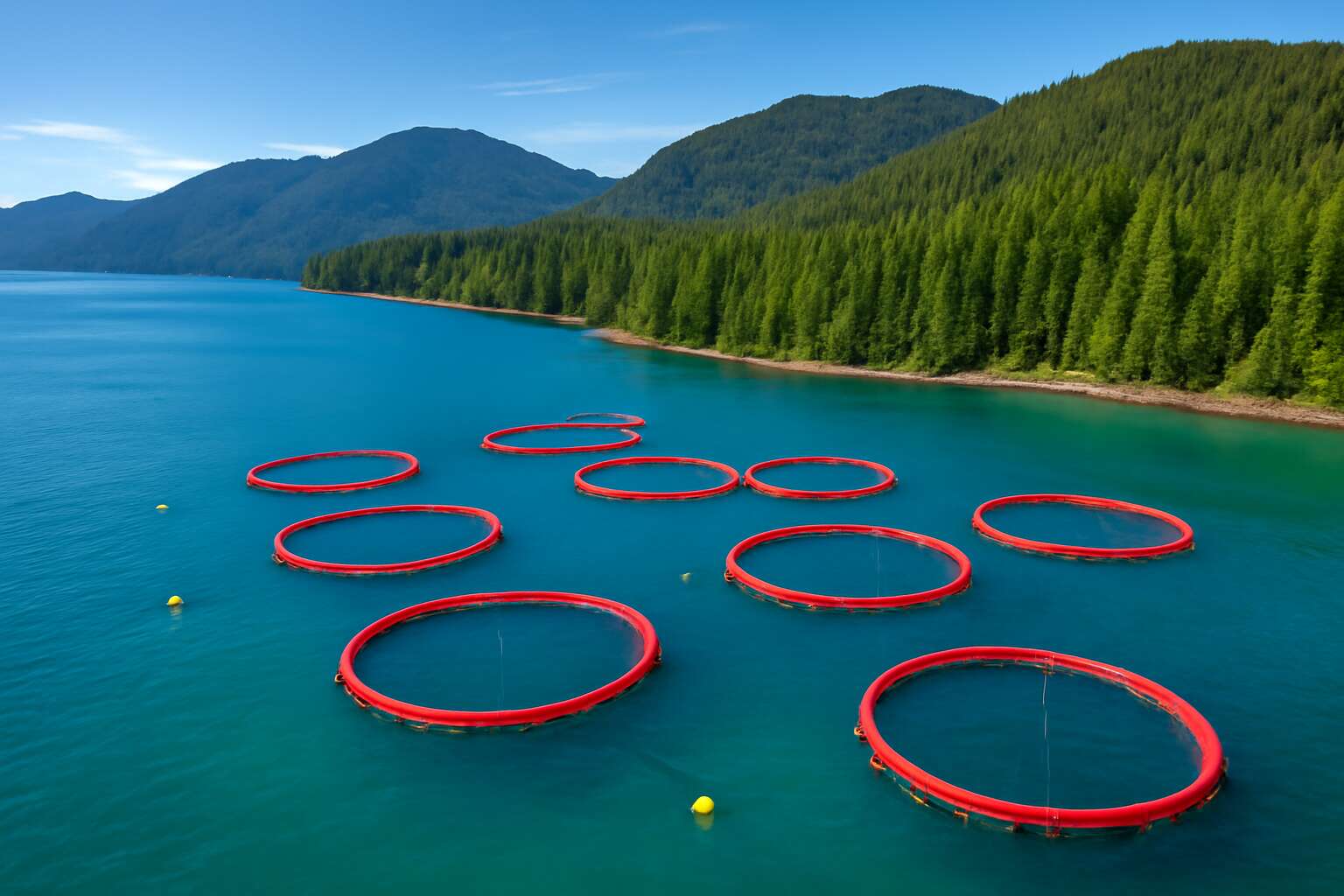
Coastal waters cradle Canada’s aquaculture, a patient engine of seafood that quietly underpins coastal economies. For readers wondering where is aquaculture in canada, the map unfurls along the Pacific and Atlantic margins, with farms threading sheltered inlets and bays. “The ocean is our patient partner,” a grower once told me, and that quiet confidence travels to South Africa as we seek sustainable protein and resilient supply chains.
Historically, the sector emerged in the 1960s and 1970s as researchers and farmers tested containment, feeding, and disease control. Growth surged through the 1980s and 1990s with better genetics, technology, and governance, turning small plots into regionally integrated operations. Today, science, Indigenous partnerships, and stewardship balance wild stocks with cultivated harvests.
- British Columbia — Pacific coast hubs for salmon and shellfish.
- Atlantic Provinces — Gulf of St. Lawrence and Bay of Fundy shellfish.
- Ontario and Quebec — inland trout and innovative recirculating farms.
Key production regions across provinces
Across Canada’s coastlines, seafood reads like a living poem. For those curious, ‘where is aquaculture in canada’ reveals a coast-to-coast tapestry along the Pacific and Atlantic margins, where sheltered inlets cradle nurseries and nets glint with possibility. The industry grows with grace, threading regions together while balancing wild stocks with cultivated harvests. It is a quiet engine that feeds communities and investors alike.
- British Columbia anchors the Pacific coast with salmon farms and shellfish beds.
- Atlantic provinces cultivate Gulf of St. Lawrence and Bay of Fundy shellfish.
- Ontario and Quebec blend inland trout farming with cutting-edge recirculating systems.
Together, these regions illustrate a coastline of resilience, where policy, technology, and Indigenous stewardship shape steady harvests. The map translates sea into sustenance for markets from local shores to faraway tables.
Species commonly farmed in Canada
Coasts hum with the quiet precision of a multi-species farming ballet. If you’re wondering where is aquaculture in canada, it stretches from Pacific coves to Atlantic inlets and inland recirculating farms, weaving coastal communities with responsible harvests. The industry blends wild stocks with cultivated harvests through smart technology and careful policy, producing seafood that travels from dock to dish with a light footprint. The species commonly farmed in Canada include:
- Atlantic salmon
- Arctic char
- Rainbow trout
- Eastern oyster
- Blue mussel
- Bay scallop
Technology and sustainability shape the slice of the industry that stays buoyant: recirculating systems reduce water use, and IMTA experiments pair salmon with seaweed and shellfish to clean the water. For South African markets, Canada’s model of transparent farming and climate-smart practices provides thoughtful parallels to domestic seafood growth.
Economic impact and employment opportunities
Canada’s aquaculture is a quiet engine behind coastal life, supporting thousands of livelihoods and steady regional growth. where is aquaculture in canada? It stretches from Pacific coves to Atlantic inlets and inland recirculating farms, weaving communities together with responsible harvests. It’s a story of people who wake early and greet the dawn by the water!
Economic impact radiates through farming, processing, logistics, and research, creating secure jobs and resilient local economies. The sector’s emphasis on sustainable tech—recirculating systems, IMTA pilots, and climate-smart practices—opens diverse career paths and encourages young people to stay close to home.
- Farming operations and on-site roles
- Processing, quality control, and distribution
- Research, policy, and industry support
Environmental considerations and sustainable practices
Coastal dawns breathe life into a quiet Canadian economy! For South African readers curious about where is aquaculture in canada, the answer stretches from the rugged Pacific coves to the sheltered Atlantic inlets and into inland recirculating systems. It is a tapestry of small family operations and cutting-edge facilities, bound by a shared commitment to responsible harvests and the steady rhythm of coastal life.
Environmental considerations guide every phase—from water quality and habitat protection to responsible feed sourcing and rigorous disease control. Modern farms rely on careful siting, biosecurity, and monitoring to protect wild stocks while delivering safe, traceable seafood.
- Recirculating aquaculture systems (RAS)
- Integrated multi-trophic aquaculture (IMTA)
- Climate-smart, energy-efficient design
Sustainable practices flourish through innovation such as recirculating systems, integrated multi-trophic approaches, and climate-smart designs that reduce energy use and waste. These efforts weave resilience into communities, keeping families connected to the water and to the work that sustains them.
Canadian aquaculture regions and hubs
Atlantic provinces aquaculture profile
Atlantic coast instantly springs to mind when you ask where is aquaculture in canada, with humming hatcheries, tidy net pens, and communities built around harvests.
Within these hubs, Newfoundland and Labrador, Nova Scotia, New Brunswick, and Prince Edward Island each lean into its own specialties.
- Newfoundland and Labrador — Atlantic salmon and blue mussels
- Nova Scotia — oysters, Atlantic salmon, sea-run mussels
- New Brunswick — blue mussels and scallops
- Prince Edward Island — farmed oysters and mussels
These Atlantic hubs blend tradition with innovation, from breeding programs to sea-pen logistics, all kept in check by thriving ecosystem stewardship—and yes, the sea still tastes like possibility. For South African readers, it’s a vivid blueprint of how coastal regions can diversify food systems.
British Columbia coast farming
On the Pacific edge, aquaculture on the British Columbia coast is a living map of community and sea science. When you ask where is aquaculture in canada, the BC arc rises: salmon pens anchor sheltered inlets, shellfish beds dot the bays, and hatcheries hum behind the spruce. Each harvest ties coastal towns to markets worldwide, turning tides into steady livelihoods and a steady sense that the ocean still offers new possibilities.
- Vancouver Island: salmon pens and mussel beds along sheltered channels
- Central and northern coast: geoduck, oyster, and scallop farms embracing remote communities
- Haida Gwaii to the Gulf Islands: hatcheries, processing, and sustainable biosecurity practices
For South African readers, BC’s coast is a living blueprint—coastwise farms that balance harvests with habitat care, showing how diverse seafood can anchor communities. This is a snapshot of Canadian aquaculture today.
Great Lakes and inland systems
A question that explores where is aquaculture in canada reveals a continent-spanning map. Across a vast gradient, inland and coastal hubs knit a diverse seafood network. The Great Lakes basin and inland rivers foster land-based facilities and recirculating systems that turn freshwater into reliable harvests, while the coastal arc remains the most visible face of production. For South African readers, inland Canada offers a parallel tale of adaptation—habitat care guiding steady markets.
Great Lakes and inland systems hubs include:
- Great Lakes basin (Ontario): inland finfish and hatchery-backed operations
- Prairie recirculating systems (Manitoba and Alberta): trout and other cold-water species
- St. Lawrence corridor (Quebec): shellfish nurseries and integrated multi-trophic farms
These networks connect rural water to urban plates, revealing how water geography shapes opportunity across Canada.
Québec’s shellfish and finfish operations
So, where is aquaculture in canada? Québec makes a quiet, stubborn argument for coastal care and community-scale production. Along the St. Lawrence corridor, shellfish nurseries nurture young oysters and mussels, turning tidal energy into reliable harvests. Finfish operations here run hatchery-backed programs that deliver steady seed without compromising water quality. I’ve watched this balance—growth and habitat stewardship—shape markets with a stubborn, human resilience.
- Shellfish nurseries along the St. Lawrence
- Finfish hatcheries and cold-water grow-out
- Integrated multi-trophic farms with mussels and seaweed
Québec’s coastal hub shows how one river-fed coastline can feed urban plates while caring for the habitat that makes it possible.
Emerging sites and regional development
In the northern hush of Canada’s coastlines, the aquaculture map is unfolding on margins we once called peripheral. Where is aquaculture in canada? A thread runs from the Bay of Fundy’s tidal churn to Pacific estuaries where patient farmers coax life from cold water and turn it into steady harvests.
Emerging sites and regional development are stitching together a coastal mosaic:
- Bay of Fundy shores (New Brunswick, Nova Scotia)
- Gulf of St. Lawrence corridors (Québec, Newfoundland and Labrador)
- Fraser River delta and southern British Columbia estuaries
These hubs pulse with small, community-minded ventures and larger projects that balance habitat care with market dreams. I’ve stood at the edge of a creel and felt tides whisper their persistence.
Species and farming methods in Canada
Finfish species and culture systems (net pens, RAS)
For readers in South Africa, where is aquaculture in canada becomes a living map of coast and corridor, where finfish push against the tides and gentle recirculating systems hum in inland bays. Salmon and trout lead the chorus, their silver bodies a testament to careful husbandry and resilient ecosystems.
Species and farming methods weave a practical lyric:
- Atlantic salmon
- Rainbow trout
- Arctic char
- Coastal net pens
- Inland RAS (recirculating aquaculture systems)
Coastal pens and inland RAS offer distinct advantages—nature’s current and human ingenuity aligned to feed, while safeguarding water quality and biodiversity. I’ve stood on the shore as dawn paints the pen lines and felt the quiet pulse of responsible farming!
Shellfish cultivation (oysters, mussels, clams)
Coasts pulse with patient work—this is where is aquaculture in canada mapped along tide-washed coves and sheltered bays. Shellfish farming wears a quiet courage, a craft handed down through generations yet refined by modern care, where hands sort seed and markets greet the morning boats. I’ve stood on the shore and felt the quiet pulse of responsible farming!
Oysters, mussels, and clams anchor the coast with different songs. Oysters thrive in sheltered bays using off-bottom bags and longlines that let the brine breathe. Mussels cling to ropes in the open water, grown on raft and longline systems that ride the current. Clams prosper in shallow bays, raised on racks or through bottom culture with careful sediment management.
- Oysters: offshore longlines and off-bottom bags
- Mussels: rope-raft and longline systems
- Clams: intertidal rack-and-raft or bottom culture
From dawn to dusk, water and workers share a patient, hopeful ritual.
Emerging and specialty species
Canada’s coast keeps evolving. “We farm with the horizon in mind,” a BC grower says, and that spirit fuels a quiet expansion of species and systems. For readers curious about where is aquaculture in canada, Arctic char and seaweed are stepping into the limelight.
Arctic char thrives in land-based RAS and cool-flow ponds, offering a controlled, high-survival path for specialty finfish. Seaweed farming, particularly kelp, lines sheltered coasts with longlines, pairing well with shellfish in IMTA setups. A growing taste for diverse proteins nudges Canada toward integrated systems that balance markets and ecosystems.
Emerging species and methods:
- Arctic char in RAS and flow-through systems
- Seaweed (kelp) farming using longlines and nearshore ropes
- Integrated multi-trophic aquaculture that partners finfish with shellfish and seaweed
These trajectories add resilience and flavor to the coast, inviting South African partners to see the North’s patient craft in action.
Feed, nutrition, and sustainability
Across Canada, feed, nutrition, and sustainability drive every harvest. Specialty finfish and sea vegetables demand precise, low-impact rations that preserve water quality and flavor. In land-based systems and nearshore setups, innovators blend sustainable ingredients with closed-loop designs to cut waste and boost resilience. For readers curious about where is aquaculture in canada, nutrition is the quiet engine behind the coast’s evolving profile.
A snapshot of feed and sustainability strategies:
- Protein sourcing from plant, insect, and responsibly managed fish byproducts
- Closed-loop RAS water reuse to cut effluent and emissions
- Transparent certification tracing feed origin and farm impact
In the long arc of Canada’s coast, these choices translate to better tasting product, cleaner bays, and steadier livelihoods—less frenzy, more patience. South African readers will sense a familiar cadence: nutrient stewardship, value-added farming, and global markets drawn by responsible practice.
Health management, biosecurity, and disease control
Health-first farming is the spine of Canada’s coast. For readers curious about where is aquaculture in canada, the answer glows along wind-brushed coasts and inland bays, where species meet vigilant care. Even in challenging years, losses stay in the low single digits thanks to health management, airtight biosecurity, and disciplined disease control that keep fins bright and flavors true. From Atlantic salmon to mussels, water quality, stress monitoring, and rapid response shape every harvest.
- Routine health surveillance and diagnostics across life stages
- Perimeter biosecurity, controlled access, and vessel sanitation
- Vaccination where appropriate, quarantine, and rapid outbreak response
Containment and water-management approaches are underpinned by transparent, science-led protocols that protect stock and coastal ecosystems alike. The quiet revolution is vigilance.
Regulation, safety, and certifications
Federal and provincial regulatory framework
Regulation keeps the industry moving, and it clarifies where is aquaculture in canada by tying every harvest to safety, environment, and traceability standards. ‘Safety first, every harvest’ isn’t merely a motto—it’s the backbone of federal oversight and provincial flexibility. The framework supports steady growth from Atlantic shellfish beds to the Pacific coast, a model readers in South Africa can admire for safety and transparency.
Key players ensure compliance across the supply chain:
- Federal agencies like the Canadian Food Inspection Agency (CFIA) oversee food safety, labeling, and compliance testing.
- The Department of Fisheries and Oceans (DFO) grants licenses and monitors environmental impacts.
- Health Canada sets consumer safety standards and maximum residue limits.
- Provincial regulators enforce site approvals, environmental management, and public health requirements.
Audits, traceability, and certifications uphold product integrity from hatchery to harvest, building trust with processors and consumers across Canada—and offering a model for rigorous, regional stewardship.
Food safety, traceability, and risk management
So, where is aquaculture in canada? It sits at the crossroads of rigorous safety standards and open transparency, shaping every harvest from Atlantic bays to the Pacific shallows. Regulation isn’t a hurdle; it’s the backbone that keeps safety, environment, and traceability aligned with steady growth. Audits and certifications are woven into the supply chain, giving processors and consumers confidence from hatchery to plate.
- Food safety and accurate labeling aligned with national standards
- End-to-end traceability tracing each step from hatchery to harvest
- Proactive risk management and contingency planning to prevent disruptions
That blend of oversight and practical safeguards creates a resilient, accountable system—precisely the model readers in South Africa admire for safety and transparency.
Certifications and industry standards (ASC, GlobalGAP)
If you’re asking where is aquaculture in canada, you’ll find it under a tight knot of regulation that keeps every harvest safe from hatchery to plate. Regulation isn’t a hurdle; it’s the backbone, guiding inspections, licensing, and environmental stewardship with a steady hand.
Safety and labeling meet national standards, while end-to-end traceability tracks each step. Certifications such as ASC and GlobalGAP sit at the table, with audits weaving through the supply chain like clockwork!
- ASC (Aquaculture Stewardship Council)
- GlobalGAP
- ISO 22000 — Food Safety Management System
Licensing, permits, and environmental approvals
In Canada, aquaculture unfolds as a well-ordered ballet of permits and inspections. For those wondering where is aquaculture in canada, regulation is the backbone that keeps every harvest safe from hatchery to plate!
Safety and labeling align with national standards while end-to-end traceability maps each step, ensuring transparency from the sea to supper. Regulatory oversight is proactive, not punitive, threading risk management into every link.
- Federal licensing and environmental clearance
- Provincial site permits and operational authorizations
- Environmental assessments and ongoing monitoring
The architecture of regulation and safety powers the Canadian aquaculture story across coasts and inland waters, never shy of scrutiny yet rarely dramatic.
Compliance and monitoring programs
Regulation is the quiet engine behind every Canadian harvest. End-to-end traceability maps every step, and safety labeling follows national standards. For South African readers curious about where is aquaculture in canada, regulation acts as a steadfast compass, guiding hatchery practices to the plate without costing the consumer confidence.
Compliance and monitoring programs translate policy into practice. Audits, risk-based inspections, and third-party certifications weave a safety net that spans coasts and inland waters. I’ve witnessed operators embrace ongoing training, reporting, and corrective action processes, so accountability becomes part of daily life in the industry.
- Regular environmental monitoring
- Independent audits
- Supplier and product traceability
- International certification alignment (ASC, GlobalGAP)
Industry challenges, opportunities, and future outlook
Climate resilience and environmental pressures
Across Canada, the aquaculture sector has shown a double-digit growth trajectory despite weathering volatile markets and tightening environmental standards. The question ‘where is aquaculture in canada’ is less about lines on a map and more about how farms adapt to shifting climates and tighter margins. Industry pioneers are weaving genetics, smarter disease management, and logistics into a resilient supply chain, turning risk into opportunity. For South African readers, resilience in Canada offers a mirror for sustainable farming elsewhere!
- Climate-resilient water sourcing and storage
- Energy-efficient systems and automation
- Waste reduction through sustainable farming practices
Looking ahead, the sector anticipates continued growth, tempered by stricter environmental stewardship and public scrutiny, with climate pressures nudging farms toward diversified species and smarter risk management. The pathway is promising, yet jagged, as researchers and operators align innovation with local ecosystems and regulatory realities, crafting a future where sustainability and productivity walk hand in hand!
Market demand, export potential, and value chains
For readers asking where is aquaculture in canada, the answer isn’t a map but a thriving network of coastal farms, inland RAS, and cross-continental partnerships—stories of families waking before dawn to harvest resilience. The sector has posted double-digit growth as demand for sustainable protein meets smarter farming that respects local ecosystems.
Industry challenges loom—price swings, feed costs, and evolving regulations—but opportunity abounds. Market demand at home and abroad is growing, with export potential opening new routes, while stronger value chains tie producers to processors and logistics partners.
- Market demand and shifting consumer preferences
- Export potential across global markets
- Value chains linking producers with processors and retailers
Looking ahead, innovation will steer the journey. From smarter disease management to diversified species and climate-ready practices, the path is rugged but hopeful. For South African readers, this Canadian model of resilience mirrors the promise of sustainable farming elsewhere.
Innovation, technology, and digital farming
For readers asking where is aquaculture in canada, the answer is a thriving network—from coastal pens to inland RAS—driven by data, efficiency, and tenacity. The sector has posted double-digit growth as demand for sustainable protein rises.
Industry challenges loom: price swings, rising feed costs, and evolving regulations test margins and planning horizons.
- Export potential and diversified markets
- Value-chain integration with processors and logistics
- Smart disease management and climate-resilient species
Opportunities abound as smarter farming links producers with processors, retailers, and researchers, unlocking resilient supply chains and new export routes.
In the years ahead, innovation and digital farming will steer the journey—AI for health signals, modular RAS expansions, and precision nutrition shaping a climate-ready Canada.
Policy direction, funding, and investment
Industry challenges loom as markets swing, feed costs rise, and regulations tighten margins. For readers wondering where is aquaculture in canada, the sector responds with policy clarity, sharper risk controls, and smarter sourcing to stay resilient. Producers lean on data-driven planning to weather volatility and keep communities supplied.
Opportunities are real, from expanding export routes to deeper value-chain integration. The following areas stand out!
- Export potential and diversified markets
- Value-chain integration with processors and logistics
- Smart disease management and climate-resilient species
Policy direction, funding, and investment are not abstract levers; they are being tuned to accelerate innovation, risk sharing, and infrastructure upgrades. The future looks like a climate-ready Canada where smarter farming links producers with processors, retailers, and researchers, unlocking resilient, export-ready supply chains.
Community engagement and public perception
Industry challenges loom as markets swing and costs rise; yet the Canadian aquaculture sector is not folding. For South African readers, policy clarity and smarter sourcing are refining risk controls, while data-driven planning keeps production stable and communities fed.
Opportunity is real: diversifying export channels, integrating more closely with processors and logistics, and advancing climate-smart disease management and climate-resilient species, with African markets in view.
- Open-access community briefings to build trust
- Transparent traceability from hatchery to plate
- Partnerships with local schools and researchers
Policy direction, funding, and investment are sharpening the blade: accelerating innovation, risk-sharing, and infrastructure upgrades, aiming for climate-ready supply chains that connect farmers with retailers and researchers.
For readers curious where is aquaculture in canada, the sector is moving toward climate-ready, export-oriented communities where public perception improves through open dialogue and transparent practices.


0 Comments