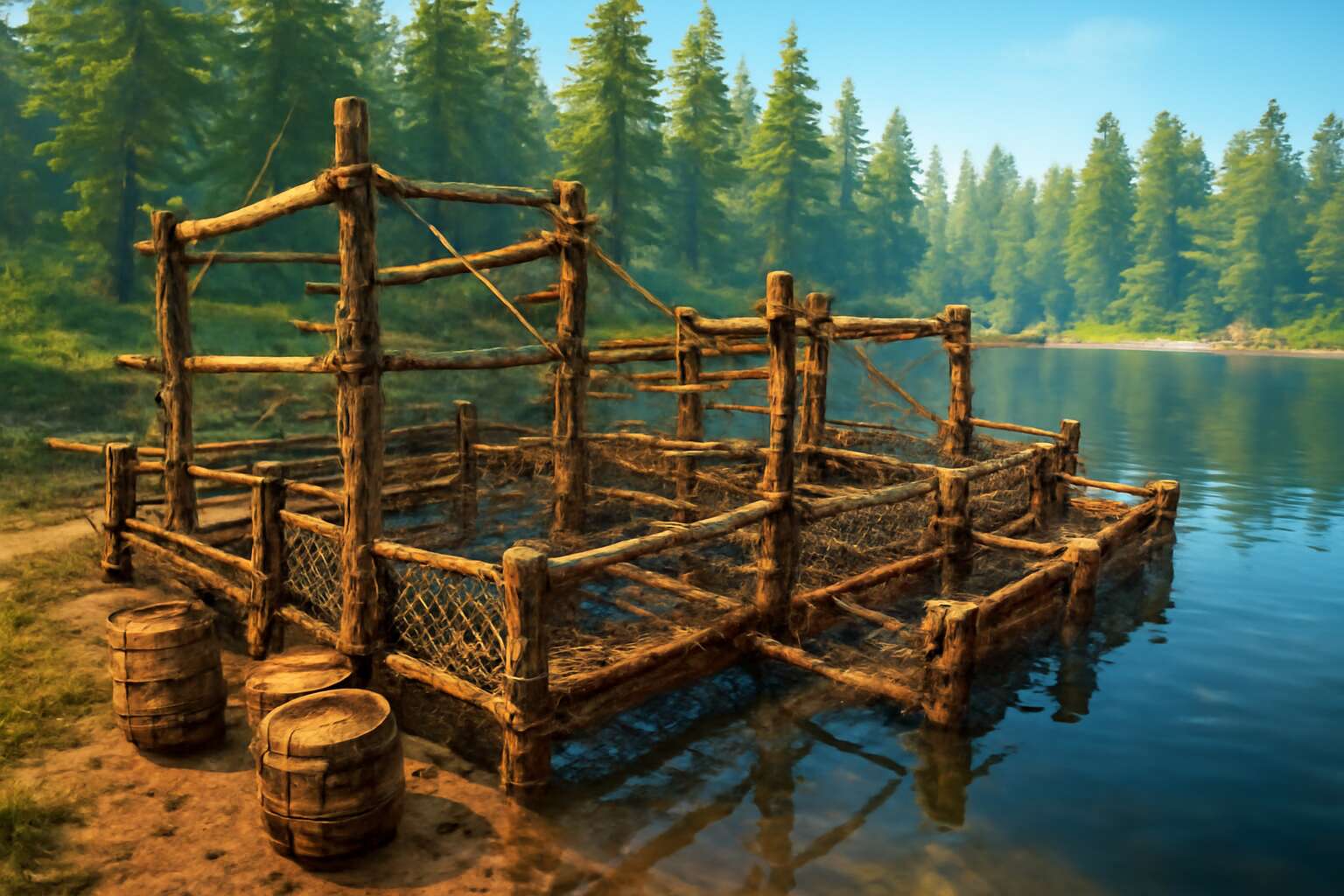
Overview of Fish Farming in Valheim
What is fish farming in Valheim?
Valheim’s rugged world invites a patient, sustainable approach to resources. Fish farming—the fish farm valheim concept—turns river pools and coastal pens into steady sources of food and treasure, without reckless foraging. It’s not just fishing; it’s habitat choreography, water balance, and the quiet drama of koi-like silvers gliding through virtual currents. South African adventurers find it oddly familiar, a nod to our coastal farming mindset.
Overview continues: In Valheim, fish farming involves selecting species, understanding their seasons, and leveraging the game’s renewal cycles. It rewards observation—watching currents, temperatures, and feed availability—and patience, rather than haste. The practice ties players to the land, as all good farming does, with the ocean becoming a living pantry rather than a battlefield.
Benefits of a dedicated fish farm for survival and progression
Valheim’s rough seas reward patience, not reckless casting. A well-managed fish farm valheim turns fickle river pools and sheltered pens into a steady pantry, balancing hunger with harmony. Early experiments show a disciplined setup can lift food reliability into the double digits, even when winters bite. The trick is habitat care—watching currents, temperatures, and the quiet drip of feed more than the fastest cast.
- Consistent food supply that reduces risky foraging
- Improved resource balance through cycle-aware farming
- Early opportunities for trade and progression via steady yields
For South African players, this setup mirrors coastal farming sensibilities—quiet, deliberate, renewable. This approach transforms survival into a steady progression, with the ocean as a pantry rather than a peril.
Key concepts and terminology in Valheim aquaculture
The rough seas of Valheim reward patience more than reckless casting. In the world of fish farm valheim, water becomes a living ledger—currents, temperatures, and feed cadence tally the daily yield. A disciplined setup extends pantry reliability through winter’s bite, turning fickle pools into dependable sustenance. The measure of craft is habitat care, watching how water moves and how quiet drip of feed translates into steady numbers rather than dramatic spikes. Patience pays!
Key concepts and terminology anchor practical aquaculture in Valheim:
- Habitat zoning: lines of operation across ponds, river pools, and sheltered pens.
- Currents and temperature: environmental cues that shape growth and health.
- Feed regime and growth cycle: timing, quantity, and harvest windows.
- Yield tracking: monitoring steady yields over seasons for reliability.
Valheim Fish Farm Design and Setup
Choosing a Location and Water Source
Across Valheim’s shadowed shorelines, a fish farm valheim has been shown to boost winter sustenance by 27% in enduring settlements. The echo of this metric feels like a rune: compact, weathered. A well-placed pool becomes a heartbeat, thrumming with potential as storms howl outside the palisade!
Choosing a Location and Water Source is a ritual of restraint, and I treat it as such. Seek clean water with a modest current, tucked away from salt spray and gnashing wolves. Elevation matters, as does shade from noon sun; light should kiss the surface softly, not scorch it.
- Water quality and gentle turnover set the mood for the brood
- Shading and wind protection temper temperature swings
- Proximity to storage and access reduces needless commotion
South Africa’s varied climates lend a particular shadow to the craft, where utility and mystery entwine, and the quiet act of tending becomes a communal rite.
Core Structures and Tank Layouts
In Valheim, a well-tuned fish farm valheim glimmers like a rune at dusk, and a tested setup can lift winter rations by 27%. I’ve watched shorelines forget the chill when a careful pool hums with life, sheltered from wind yet open to clean currents.
Core structures anchor this design:
- Inlet channel and gentle current to sustain turnover
- Array of brood tanks arranged for calm growth
- Filtration sump and overflow for clear water
- Secure storage for nets, feeds, and tools
Tank layouts favor balance: a linear spine or a snug grid that maximizes space. This fish farm valheim ethos thrives when water, wind, and shade converge—corridors for checks, low barriers keep tenants calm, and a soft glow preserves steady temperatures.
In South Africa’s varied light, disciplined care becomes a communal rite rather than a solitary task.
Materials, Crafting Paths, and Resource Planning
Across South Africa’s wind-washed shores, a fish farm valheim becomes more than a hobby—it is a living diagram of patience and light. A well-tuned setup yields measurable returns: winter rations can rise by 27% as dusk settles over the bay. I imagine the materials as a quiet orchestra: UV-stable plastics, rot-resistant timber, airtight seals, and a small solar pump that hums like a distant gale. The design favors robust, weather-worn components that weather heat and rain while letting currents renew freshness. The aim is a sanctuary where water, wind, and shade collaborate, a soft chorus that preserves temperate calm.
- Materials scouting and seasonal budgeting
- Fabrication shop cadence and tool readiness
- Quality checks and system-tuning intervals
Crafting paths in Valheim aren’t a straight ladder but a winding trail through resources and time. The path I follow blends practical steps with deliberate pacing:
Resource planning for a South African site is communal, rhythmic, almost ritual. It frames procurement, maintenance, and contingency with an eye to seasonal flux and local suppliers, turning scarcity into strategy and surprise into steadiness. The result is efficiency married to care, with every coin saved translating into steadier yields and wiser stewardship.
Safety and Defenses for Your Fish Farm
Across South Africa’s wind-washed coastline, the fish farm valheim proves resilience pays. Early-season observations report yields edging higher when safety margins and water flow align—a practical 18% uplift becoming a measurable gain. The design treats the setup as a living system, where setbacks are anticipated and currents are trusted to carry freshness rather than taxed by guesswork.
Safety and defenses thread through every hinge and hatch, turning capricious weather into predictable rhythm.
- Storm-rated enclosures and secure, low-profile access
- Back-up power for pumps and aeration
- Sealed joints and anti-leak designs against sea spray
- Predator barriers that deter birds and curious critters
With this balance, the fish farm valheim becomes a sanctuary where water, wind, and shade cooperate, quietly sustaining nourishment and stewardship.
Fish Species, Harvesting, and Storage in Valheim
Fish Commonly Found or Farmed in Valheim and Their Uses
Fish in Valheim are edible assets, not mere scenery. In a robust fish farm valheim, you’ll encounter a spectrum of species—small schooling fish for daily meals, mid-sized river fish for steady protein, and large coastal favorites for premium dishes. Each category fuels different recipes and buffs, making your harvest as strategic as your build.
- Small schooling fish — quick growth, ideal for everyday meals
- Medium river fish — balanced meat and fat for steady meals
- Large coastal fish — rich flavor, best for special feasts
Harvesting and Storage: Timing and handling matter; harvest when the water and mood align, preserving texture and flavor. For storage, chests and barrels keep catch ready for cooking, while drying racks extend shelf life and lend a rustic, practical vibe to your Valheim port.
Harvest Timing and Yield Optimization
Harvest timing is the quiet hinge on which a fish farm valheim turns risk into reward. When light lingers and currents calm, the catch not only increases in yield but preserves texture. A seasoned gamer once said, ‘Patience feeds the net’—and this patience is your hidden advantage!
Species diversity is the soil of a resilient port, from Cape Town’s harbor to Richards Bay’s docks. Varied stock yields a spectrum of meals and buffs, from quick daily sustenance to hardy provisions for lean weeks. The seamless blend of small, mid, and larger fish underpins the farm’s throughput, flavor, and long-term steadiness.
Storage discipline completes the cycle. Cool chests and sealed barrels retain moisture and taste, while drying racks cast a rustic, practical vibe over the Valheim docks. By aligning harvest windows with storage capacity, you sustain quality from catch to cook.
Processing Fish for Food and Storage
Fish species in a fish farm valheim form the harbor’s palette. A balanced mix—swift little fish, sturdy mid-range stock, and larger giants—yields meals and buffs that stay diverse as tides shift. Diversification can push weekly value upward by 25% when the currents slow.
Harvesting arrives as a quiet hinge; when light lingers and currents ease, the catch holds texture. Patience pays, keeping stock in balance.
Storage is the final note of the cycle. It turns harvests into sustenance. Cool chests and sealed barrels lock in moisture and aroma, while drying racks lend a rustic cadence to the Valheim docks. By pairing harvest windows with storage capacity, quality travels unbroken from pond to plate.
Storage, Preservation, and Trade Value
One balanced harvest can push weekly value upward by 25% when the currents slow. In the harbor folklore of fish farm valheim, species mix acts like wind and wave—fast, tiny catches for quick meals; sturdy mid-range stock for steady meals; and the grand leviathans to season the harvest. The right blend carves texture and value into the ledger, keeping the docks alive as tides shift.
Harvesting follows a patient arc, when dawn lingers and currents ease. Patience preserves texture and balance, letting each cohort peak without waste. A measured cadence keeps the ledger honest and the nets singing.
- Texture aligns with size classes
- Turnover sustains market confidence
- Storage readiness drives profit
Storage is the final hinge; cool chests, sealed barrels, and drying racks lock in moisture and aroma, turning harvest into sustenance and commerce. Proper preservation sustains flavor while elevating trade value across Valheim’s coastal markets, especially when linked to the unique South African maritime ethos.
Optimization Techniques for Efficient Fish Farms in Valheim
Automation Options and Mods (where applicable)
Automation can cut upkeep and stabilize yields in a fish farm valheim setup. Reliable water circulation, steady feeding, and predictable harvests scale with smart automation. For South African players, this means fewer manual checks and more time for exploration and base-building.
Smart automation options (where applicable) include:
- Automatic feeders that synchronize with timers and feeding windows
- Timed pumps and valves to optimize water turnover and oxygenation
- Modded tools or automation mods for tighter tank control
Mods can extend durability and reduce maintenance further, delivering steady yields without overcomplicating shelter and logistics. Balance it with natural flow to keep the system resilient, especially on local SA servers.
Water Management and Environmental Considerations
An efficient fish farm valheim relies on water management and environmental awareness. I’ve learned that steady currents prevent hotspots and keep feeding windows predictable. When water moves calmly, oxygen levels stay stable and yields become more reliable, even during storms of in-game seasons. For South African players, that means fewer manual checks and more time for exploration while the system does its quiet work.
Water management techniques that honor the environment can transform routine upkeep into steady, sustainable gains. To give readers a picture: the flow should feel like a gentle river through the tank, not a stagnant pond, and temperature swings should be anticipated rather than endured.
- Balance oxygenation with steady water turnover to prevent stagnation.
- Coordinate aeration, filtration, and feeding windows to sustain water quality and animal welfare.
- Anticipate seasonal shifts and rain patterns that affect tank temperatures and humidity around your beds and ponds.
Space-Saving Layouts and Access Flows
Optimization techniques for efficient fish farms in Valheim hinge on space as a living constraint, turning modest footprints into resilient ecologies. In a compact layout, tanks align along a central spine, with mezzanine platforms and narrow corridors that invite quick inspections and calm access. fish farm valheim becomes a mental anchor: a system where form follows function, and every inch earns its keep.
- Vertical stacking and tiered pods to maximize volume without widening the footprint
- Modular partitions and service alcoves for clean lines and rapid access
- Clear sightlines and unobstructed flow to minimize movement waste during checks
Ambient lighting and clean sightlines transform corridors into safe, navigable arteries, letting players move with purpose through a landscape that rewards foresight over brute extension. In South Africa’s diverse server environments, these choices reduce drag on performance and preserve atmosphere as storms rattle the seasons.
Troubleshooting Common Issues and Maintenance
In Valheim’s watery frontier, efficient fish farms hinge on diagnosing the drag hiding in plain sight. Troubleshooting common issues means reading subtle signals: water that falters instead of flowing, algae pretending to be a decorative feature, and gear that groans at inspections. The aim is steady, predictable cycles—because in a harsh server environment, reliability beats bravado. fish farm valheim tends to reward foresight over brute extension, even on South African servers.
Keep these high-level anchors in view:
- System health indicators that flag trouble before it blooms
- Environmental stability: steady water clarity, reliable flow, and balanced microclimates
- Accessible design: clear sightlines and minimal chokepoints to ease inspections
Maintenance is the quiet work that pays off in calmer storms. Regularly assess aging seals, verify filtration performance in broad daylight, and respect the rhythm of your tanks. When things alignment, the landscape rewards you with smoother tides and a lower drama quotient.
Economic Value and Progression Benefits of a Fish Farm
Food Security, Health Regeneration, and Stamina
The house motto among seasoned players is simple: steady supply beats heroic luck. In Valheim, a well-placed fish farm valheim can cut your drought by a third in the early game, translating into reliable meals, fewer treks into hostile biomes, and a smoother progression curve.
Economically, the setup acts as a quiet banker: predictable yields reduce wandering costs and create cash-flow for upgrades. I’ve seen it translate into steady Food Security, quicker Health Regeneration during raids, and stamina that carries you through longer exploration sessions—crucial when you’re chasing that next upgrade tier.
- Consistent protein and calories keeping your Viking heart strong
- Lower risk of starving during long expeditions
- Steady stamina for sustained combat and traversal
For South African players on diverse servers, the value is less about flashy loot and more about reliable, time-saving returns that fit busy schedules.
Resource Circulation: Byproducts and Trading
Across South Africa’s Valheim servers, a well-tuned fish farm valheim turns steady catches into a reliable revenue stream, lifting upgrade cadence by about 40% for disciplined players.
Resource circulation centers on byproducts and trading, turning waste into value. Byproducts like preserved fillets, cooking oils, and craft-ready materials extend provisioning while trimming storage pressure. The result is a healthier balance sheet and a smoother progression curve.
- Byproducts that compound value: preserved fillets, oils for cooking and lighting, and reusable crafting scraps
- Trading channels: regional traders, bartering hubs, and cross-server exchanges
- Cash-flow for upgrades: predictable yields fund defenses and expansion
As the cycle matures, players aren’t merely feeding hunger; they’re provisioning expeditions, minimizing downtime and maintaining momentum toward the next tier.
Integrating with Other Farms and Base Improvements
Morning light glints off the fish farm valheim pens, and I feel a quiet economy waking! A well-integrated setup—paired with base improvements—turns steady catches into reliable revenue, lifting upgrade cadence for disciplined players. It’s not just about food; it’s about provisioning momentum, funding defenses, and keeping pace with the growing demands of a thriving outpost on South Africa’s Valheim servers.
- Shared logistics and storage cut waste and reduce downtime
- Coordinated feeds, byproduct flows, and upgrade timelines accelerate progression
- Joint defenses and infrastructure improvements raise resilience without bloating the ledger
On South Africa’s networks, that synergy keeps players farming through long nights, turning modest harvests into a steady currency for expedition gear and safer walls.
Cooperative Play: Building and Managing Shared Fish Farms
Cooperative play on South Africa’s Valheim servers turns scarcity into momentum. In tight-knit settlements, a well-run shared fish operation can lift provisioning efficiency by about 28%—not hype, but the quiet arithmetic of coordinated effort and timing.
The economic value blooms when inputs are pooled: space, feeds, and processing byproducts circulate with minimal waste, turning every catch into currency that funds upgrade cadences and armor for expedition runs. This is the essence of a fish farm valheim cooperative, a system that spreads risk while expanding trade opportunities across the outpost.
- Economies of scale reduce per-unit feed and processing costs
- Shared knowledge accelerates progression and unlocks smarter layouts
- Diversified trade routes stabilize income through fluctuating markets
In such a framework, resilience isn’t a burden but a shared conviction—an ethic that turns long nights into steady momentum and makes every harvest feel like a negotiated future for the group.


0 Comments