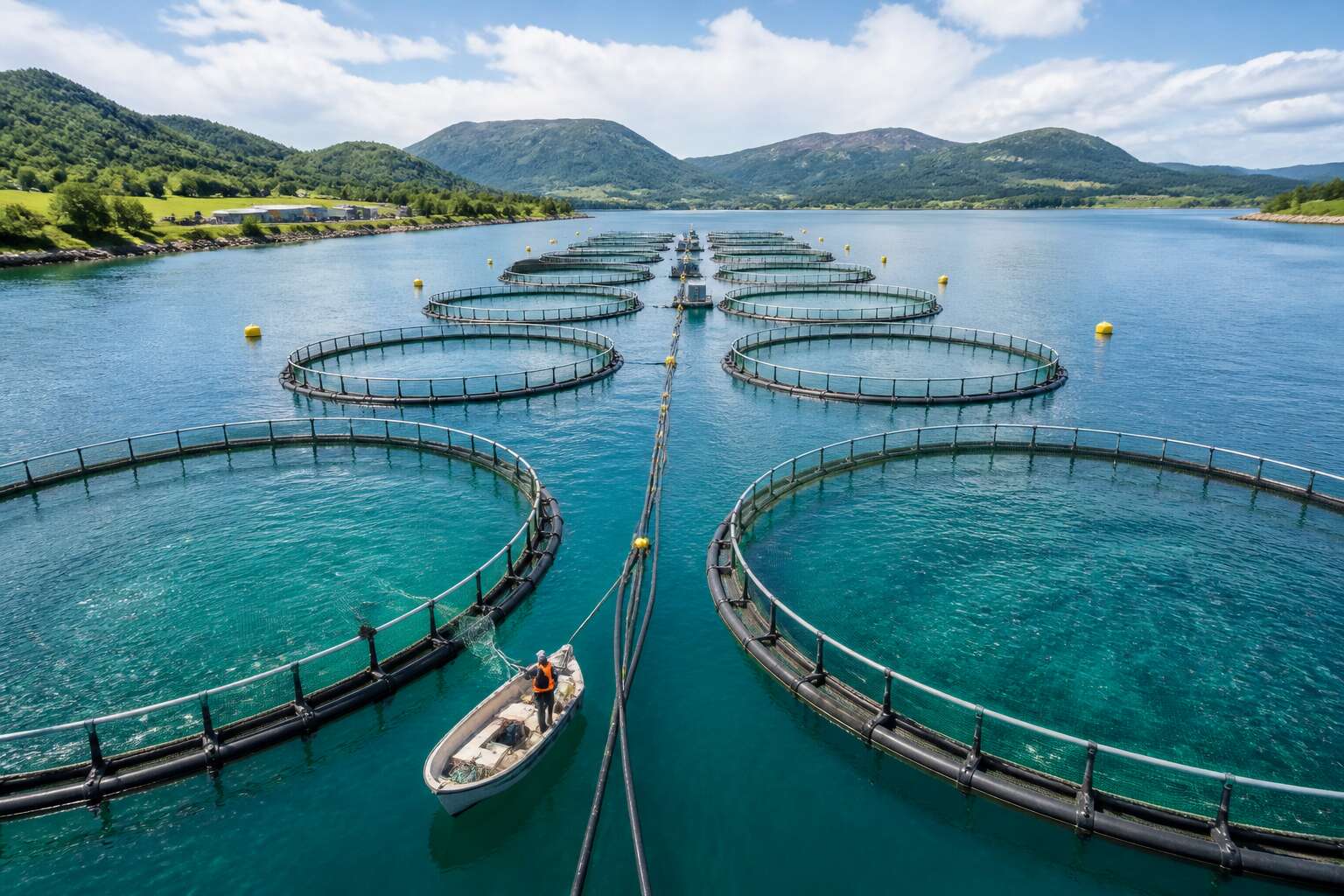
Water Quality Management in Aquaculture Systems
Monitoring Dissolved Oxygen Levels
Beneath the shimmering skin of a still pond, a silent drama unfolds. Dissolved oxygen is the currency of life in aquaculture, yet its supply is a fickle phantom. A single night of calm weather can send levels plummeting, leaving a million rand of stock gasping at the surface. I have stood on the bank at dawn, watching the silver glint of tilapia that did not survive the pre-dawn hours, a stark reminder that this invisible element governs every biological process in the system.
The aquatic environment is in constant flux. Photosynthesis drives oxygen production during daylight hours, but respiration by fish, bacteria, and plankton consumes it relentlessly around the clock. This daily cycle requires a manager’s vigilance. A sudden algal bloom can reverse this balance entirely, generating supersaturation by day and dangerous depletion by night.
Regular monitoring should form the backbone of your operational routine. The tools at your disposal range from simple chemical test kits to sophisticated optical probes, but the objective remains the same. You must know your numbers at dawn, which represents the daily minimum, and again in the afternoon to gauge the peak. Understanding the carrying capacity of your system prevents catastrophic failures.
To manage this effectively, you must consider the physical and biological variables at play.
– Temperature directly impacts the water’s capacity to hold gas; warmer water holds less oxygen.
– Salinity has a similar effect, with brackish systems naturally holding less dissolved gas than freshwater.
– Stocking density increases the biological oxygen demand, requiring higher turnover rates.
– Barometric pressure changes can influence the rate of diffusion at the surface.
These factors are not static. They shift with the seasons, the weather, and the biomass itself. Effective aquaculture management therefore relies on adaptive strategies, not fixed schedules. Aeration systems must be deployed not merely as a failsafe, but as a dynamic tool to maintain equilibrium. Ignoring the subtle signs of stress, such as fish congregating near the inlet, invites disaster. The art lies in reading the water, anticipating its needs, and acting before the crisis takes hold. This quiet diligence is what separates thriving operations from those that merely survive.
Maintaining pH Balance and Alkalinity
A one-unit pH swing can kill fish outright. Many farmers discover this too late. Alkalinity is the buffer that keeps pH stable, absorbing acids from nitrification and respiration. I have watched ponds with alkalinity below 50 mg/L collapse after a single feeding. The water turned sour, fish stopped eating, and losses mounted.
- Test alkalinity weekly, not monthly.
- Maintain 100 to 150 mg/L for tilapia.
- Apply agricultural lime gradually.
Strong aquaculture management requires predicting shifts. A thunderstorm dilutes pond water, while a dry spell concentrates dissolved solids. Test pH every day in late afternoon to catch the daily peak. Combine that with a weekly alkalinity test. This simple routine prevents catastrophic surprises.
Temperature Control Strategies
In South Africa, where summer heatwaves and cold fronts arrive without warning, water temperature is the silent director of every biological process in a pond. A sudden drop of four degrees Celsius can suppress feeding for 48 hours, while sustained heat pushes dissolved oxygen demand upward even as the water holds less gas. Temperature control belongs at the core of aquaculture management because it influences growth, immunity, and feed conversion all at once.
Shallow ponds heat quickly and cool just as fast. Deeper systems stratify into warm and cold layers, creating dead zones that trap organic matter. Farmers must match their strategy to their system, not to a calendar.
- Use shade cloth or floating covers to reduce solar gain during peak summer.
- Position aerators to break thermoclines and homogenise temperature.
- Exchange water only in the early morning to avoid shocking the stock.
I have seen farms lose entire batches because they waited for the weather to normalise. Reactive thinking is the enemy of aquaculture management. Track daily minimum and maximum temperatures every season, and adjust feeding rates accordingly.
Managing Ammonia and Nitrite Toxicity
In South African aquaculture, nitrogen compounds often dictate the difference between a healthy harvest and a silent catastrophe. Ammonia is the primary offender, generated directly from protein metabolism in fish and the decomposition of uneaten feed. The toxicity of this compound is not a fixed value; it shifts with pH and temperature, making seasonal water quality management a precise act of balance. When the water warms, the proportion of toxic un-ionised ammonia rises, turning a stable environment into a hazard zone within hours.
The danger rarely stops there. Nitrite, the intermediate product in biological filtration, oxidises fish blood, rendering it incapable of carrying oxygen. This is often called “brown blood disease”, a condition that leaves fish lethargic at the surface, gasping in water that tests fine for dissolved oxygen. For the farmer, this represents the core challenge of aquaculture management: understanding that the invisible chemistry of the pond is more lethal than any visible predator. A cycle that is incomplete, either due to low bacterial populations or poor water flow, will trap the system in this toxic middle ground.
Effective water quality management relies on prevention rather than emergency response. Simple observations guide the daily routine. The presence of foam on the surface often signals an excess of organic matter breaking down. A sudden drop in appetite is frequently the first indicator of a developing toxicity issue.
– Increase water exchange when ammonia readings begin to climb
– Reduce feeding immediately during a suspected nitrite event
– Ensure proper aeration to support the bacteria that convert nitrite to nitrate
– Monitor the biofilter’s maturity, especially after adding new stock
These interventions help the farmer stay ahead of the chemical curve. Salt additions can mitigate nitrite toxicity in freshwater systems, while consistent water movement supports the microbial colonies responsible for completing the nitrogen cycle. The goal is to manage the invisible burden on the stock, ensuring that their energy goes into growth, not into fighting their own water. This is the daily, unglamorous work that defines successful aquaculture management in the variable South African climate.
Turbidity and Water Clarity Best Practices
Water clarity is the farmer’s earliest warning system. Turbidity, the cloud of suspended clay or organic particles, reduces light penetration and coats fish gills. In turbid ponds, feeding cues vanish, and stock energy shifts from growth to stress response. A Secchi disk reading below 20 cm should stop the routine immediately.
- Allow incoming water to settle in a holding basin before release
- Apply gypsum or other flocculants to bind fine clay particles
- Maintain vegetated buffer zones to slow runoff after rain
Best practices for clarity start with source control. Filter or settle raw water, then feed in shallow trays to observe appetite without guessing. In South African systems, seasonal storms stir sediment in hours, so daily visual checks matter. Aquaculture management here means knowing when water becomes a barrier for fish, not just a habitat. Clear water allows the farmer to see health problems early, wasted feed, or shy behaviour. Aim for a clarity that reveals the bottom, without chasing sterile conditions. That balance is practical, measurable, and essential for consistent harvests.
Feeding and Nutrition Optimization
Feed Formulation and Ingredient Sourcing
Feed costs can consume an aquaculture operation’s budget. In South Africa, feed accounts for up to 60% of operational expenses in aquaculture management. That fact alone should make any farmer scrutinize every pellet.
Feed formulation balances proteins, lipids, carbohydrates, and micronutrients. Sourcing ingredients locally reduces transport costs and carbon footprint. Consider insect meal or algal oil as alternatives to fishmeal. A smarter approach adjusts protein levels based on water temperature and fish life stage.
For optimal results, verify ingredient quality:
- Test for mycotoxins in plant proteins.
- Verify the freshness of fish oil.
- Compare digestible amino acid profiles.
Direct sourcing from regional suppliers cuts middlemen and ensures traceability. This method turns feeding into a precise growth tool.
Feeding Schedules and Rationing Methods
Feeding schedules must follow fish behaviour, not calendar dates. South African farmers often default to fixed rations, yet appetite shifts with temperature and oxygen levels. Adjust the ration every few days based on recent observations. This is aquaculture management in its most responsive form.
In my experience, the first minutes of every meal reveal the truth. Feed disappearing too fast signals a larger ration is needed. Leftover pellets sinking to the bottom signal the opposite. Overfeeding taxes water quality and wastes capital; underfeeding delays harvest and raises production costs. Stagger daily feed across two or three smaller meals. Warm-water species digest more efficiently when fed this way. Good aquaculture management demands this level of attention.
Ration tables provide a baseline, but they cannot see your fish. Weigh samples biweekly and recalibrate. The operator who adapts daily gains an edge over one who follows a static plan.
Reducing Feed Waste and Improving FCR
Feed represents roughly 60% of variable costs in South African pond systems, yet operations lose a slice of that investment to dust and disintegration. Effective aquaculture management relies on the pellet’s physical resilience and precise nutrient matching.
Poor pellet stability dissolves your investment into the water column. I check for dust at the bottom of the hopper and adjust supplier specs accordingly. Moisture in storage creates mould and clumping, wrecking the delicate balance of vitamins and oils.
A few silent culprits undermine your FCR:
- Particle size mismatch that forces sorting
- Oxidised lipids from sun exposure
- Inconsistent sinking rates that disperse the meal
Shifting focus to physical feed integrity is aquaculture management at its most tangible. Every gram preserved in the water column becomes a gram of flesh, not a burden on the biofilter.
Nutritional Supplements and Additives
A fish’s immune system is silent, secretive, and unforgiving when neglected. In South African pond systems, nutritional supplements and additives are not a luxury but a moral obligation to the animals that depend on our observation. Vitamin C and E, for instance, act as unsung sentinels against oxidative stress, while beta glucans prime the innate immune response. What haunts me is how often we overlook trace minerals like selenium or zinc, believing the feed has already accounted for them.
Yet every additive is a double-edged sword. Over-supplementation can poison the water or tax the liver:
– Digestive enzymes improve protein absorption.
– Probiotics outcompete pathogenic bacteria.
– Immunostimulants strengthen mucosal barriers.
Aquaculture management becomes an exercise in humility, measuring not just growth, but metabolic byproducts. Do not chase fads; observe the fish. Their skin, their appetite, their resilience. That is the only truth that matters.
Growth Performance Monitoring Techniques
Growth performance monitoring reveals the cost of every production decision. In South African pond systems, we track thermal growth coefficient and hepatosomatic index to understand nutrient partitioning. These metrics expose inefficiency before it becomes mortality.
Biweekly sampling with anaesthesia, not stress, gives accurate weight and length data. The condition factor, Fulton’s K, tells us if fish are too slender or too rotund for their length. Digital imaging now offers non-invasive alternatives, though calibration remains essential.
Aquaculture management improves when we pair morphometric data with behavioural observation. Feed response at the surface indicates appetite, but only cross-referencing intake against biomass gain reveals whether nutrition optimises growth.
Disease Prevention and Biosecurity Protocols
Vaccination and Immunostimulant Programs
A single undetected pathogen can collapse an entire production cycle in days. That reality shapes every biosecurity decision we make. Effective aquaculture management demands a layered defense, where biosecurity protocols and proactive health programs work in tandem.
Quarantine periods, disinfection checkpoints, and restricted movement logging form the backbone of our containment strategy. Each entry point into the facility becomes a potential fracture line. We treat every transfer of stock as a risk event until proven otherwise.
Vaccination and immunostimulant programs add another layer. While vaccines train specific immune responses against known pathogens, immunostimulants like beta glucans and mannan oligosaccharides broaden innate resistance. They do not replace rigorous biosecurity; they reinforce it. For South African operations, this layer of aquaculture management becomes critical when water temperatures fluctuate sharply, narrowing the window of vulnerability during seasonal stress.
Quarantine and Isolation Procedures
A single overlooked tank can undo months of careful planning. Quarantine and isolation procedures are essential components of any biosecurity plan. We treat every incoming batch as a potential threat until observation proves otherwise. This mindset defines our aquaculture management strategy.
New stock enters a separate system with its own water supply and tools. No shared equipment, no shared personnel! The isolation period lasts a minimum of two weeks, but we extend it during temperature shifts. Stress weakens immune responses, making dormant pathogens active.
- Daily visual inspection for lesions or erratic swimming
- Water quality testing every 48 hours
- Behavioural logs to track feeding response
Documentation matters as much as observation. Every transfer, every water change, every mortality event gets logged. This creates a traceable history that reveals patterns early. For South African farms, the dry season often masks early signs of trouble. Rigorous quarantine protocols protect the entire production cycle from a single silent carrier.
Stress Reduction to Minimize Disease Outbreaks
Elevated cortisol levels in fish precede most disease outbreaks on South African farms. A fish constantly fighting cortisol burns energy meant for growth, and that weakened state enables opportunistic pathogens to multiply. In my years of aquaculture management, I have seen tanks collapse from a simple handling error more often than from a new disease.
The principle is straightforward: a calm fish is a resistant fish. Reduce stressors and you remove the trigger for outbreaks. We achieve this through careful protocols:
- Minimising net handling to once per cycle
- Maintaining stable social groupings, never mixing size classes mid-season
- Controlling noise and vibration around the system, especially during feeding
Each of these actions lowers physiological strain, allowing mucosal barriers and immune cells to function properly. South African farms face additional heat stress during summer, so we adjust shading and stocking density before temperatures climb, not after.
Waterborne Pathogen and Parasite Control
Waterborne pathogens and parasites are the silent arbiters of aquaculture management. A single infective oocyst can undo months of careful production, and it rarely announces itself until fish stop feeding. In South Africa’s variable climate, temperature shifts create windows where opportunistic organisms multiply faster than the immune system can respond.
Our biosecurity protocols target the water itself. Mechanical filtration paired with UV sterilization at flow rates that guarantee contact time, and ozone treatment for high-density systems break down protozoan cysts and bacterial biofilms that chlorine cannot touch. Regular microbiological sampling of inlet and outlet water provides early warning, allowing adjustments before visible symptoms appear.
The trade-off is vigilance. When systems run clean, the pressure on stock diminishes. That is the purpose of every decision we make.
Health Monitoring and Early Diagnostic Tools
Disease prevention is a philosophy of anticipation. In aquaculture management, the most revealing data often comes from what the fish do not do. A sudden stillness at the feeding station, a reluctance to take the pellet, these are the first confessions of physiological distress. We monitor these silent cues daily!
Health monitoring depends on early diagnostic tools that see beyond the surface. We use qPCR panels to detect subclinical infections before they become epizootic. Sentinel fish groups placed at the water inflow act as biological canaries. Routine histopathology on moribund specimens reveals what water chemistry cannot.
Key biosecurity protocols we enforce daily:
– Footbaths with active iodine solutions at every production unit entrance
– Species-specific net disinfection between ponds and tanks
– Restricted access for personnel with dedicated footwear for each zone
– Controlled movement of equipment from quarantine onward
These measures are not bureaucratic rituals. They are the boundaries that separate a healthy harvest from a catastrophic loss. In South Africa’s climate, where temperature swings stress the immune system, consistent health monitoring is the difference between proactive management and reactive salvage. Every decision we make in aquaculture management is a choice to see the invisible before it becomes visible.
Stocking Density and Population Management
Determining Carrying Capacity
Stocking density dictates every downstream outcome, from oxygen consumption to waste accumulation. Carrying capacity is the boundary that separates productive growth from systemic collapse. In South African recirculating systems, aquaculture management must weigh aggregate biomass against filtration capacity and reaeration rates. Chronic nocturnal oxygen sag or delayed ammonia clearance signals that the biological ceiling has been reached.
I have observed farms lose production to overcrowding before disease ever appeared. Foraging behaviour ceased. Biofilms degraded. Effective aquaculture management rests on three variables:
- species growth trajectories
- water exchange volume
- biofilter resilience under peak load
Population management should track biomass doubling intervals and preemptively thin cohorts.
Polyculture and Multi-Species Integration
Good stocking density feels like anticipation. The farmer watches feeding response, water clarity, and oxygen curves, then acts before thresholds are crossed. Population management is a continuous calibration, not an annual task. In South African systems, combining species alters the dynamic. Aquaculture management becomes more resilient when polyculture distributes biological load across different trophic levels.
Mixing bottom feeders with pelagic feeders reduces organic accumulation. A simple approach:
- Introduce hardy species that tolerate the same pH and temperature band
- Monitor species interactions during feeding times
- Adjust population ratios when size variance exceeds 25 percent
These adjustments prevent monoculture vulnerability. Multi-species tanks require more observation but produce more stable water quality. The extra planning is worthwhile.
Species-Specific Stocking Guidelines
Stocking density defies a single formula. Species specific stocking guidelines turn raw numbers into useful constraints. In South African ponds, the difference between species often matters more than total biomass. A dusky kob requires deeper water and lower densities than a hardy tilapia. I find that checking growth rates every ten days reveals whether the initial density holds.
For practical allocation, consider these examples:
- Mozambique tilapia: 2 to 3 fish per square meter in aerated grow out ponds.
- African sharptooth catfish: 1 fish per 3 square meters to limit aggression.
- Rainbow trout in cool water zones: 15 to 20 kilograms per cubic meter of flow.
These baselines protect water quality and reduce grading stress, forming a core part of effective aquaculture management. No fixed value replaces observation, but the right starting point saves weeks of correction.
Behavioral Considerations for Stocking Rates
Stocking rates are not just arithmetic. They are a reflection of the social dynamics that unfold beneath the water’s surface. Aggression, competition for feed, and territorial disputes often dictate survival more than water chemistry does. When you crowd an African sharptooth catfish, you are not just limiting its space. You are forcing it into constant conflict with its peers, which can lead to fin damage, chronic stress, and uneven growth. The most effective aquaculture management plans account for these behavioral quirks before they become visible in the mortality data.
Observing fish behavior offers the earliest warning signs of an inappropriate population density. A healthy group will show calm, horizontal swimming patterns with regular feeding responses. When space becomes a premium, you will see erratic darting, surface piping, and a noticeable size hierarchy emerging within the cohort. Smaller fish will often hover near the pond edges, avoiding the central feeding zone.
This interaction between social pressure and carrying capacity requires a manager to be a student of animal behavior, not just a keeper of water quality records. You cannot out-engineer basic instinct with aeration alone. As the fish grow, their space requirements shift dramatically, and a density that worked in summer might create a hostile environment in winter.
Behavioral considerations for stocking rates should include:
– The species’ natural social structure and tendency toward cannibalism.
– The presence of mixed-size cohorts, which increases submissive fish stress.
– The distribution of feed and whether all individuals have access to the feeding area.
Effective aquaculture management respects the mental state of the stock as much as their biological needs. Adjusting your stocking rate based on observed interaction patterns will prevent the slow erosion of growth rates that often goes unnoticed until harvest. The fish will tell you the carrying capacity of the pond through their behavior, so the final decision must always balance the ledger of aggression against the potential for yield.
Sustainable Aquaculture Practices
Waste Management and Nutrient Recycling
Every kilogram of farmed fish generates solid and dissolved waste. In South Africa, recirculating systems face strict discharge rules. Waste management is not optional. It is the backbone of sustainable aquaculture management.
Nutrient recycling turns this problem into an asset. Sludge from tanks can feed vermiculture. Effluent can irrigate salt-tolerant crops. These methods cut water usage and pollution loads simultaneously.
- Use settling basins to capture solids before they degrade.
- Direct nutrient-rich water to constructed wetlands.
- Compost dried sludge with agricultural byproducts.
Integrated multi-trophic systems offer another route. Seaweed and filter feeders absorb dissolved nitrogen and phosphorus. This closes the loop between profit and responsibility.
Water Conservation and Recirculating Systems
With annual rainfall below the global average, South African fish farmers cannot treat water as a disposable commodity. Aquaculture management here demands deliberate stewardship, and recirculating systems offer the most direct path to efficiency. These closed loop setups reuse the same water after filtration, cutting daily top ups to less than five percent of tank volume. That conserves a scarce resource while maintaining stable conditions.
- Drum filters remove suspended solids before they clog biofilters.
- Moving bed bioreactors convert toxic ammonia into nitrate.
- Ultraviolet modules inactivate pathogens without chemical residues.
Recirculating systems do carry costs. Pumps and aerators run continuously, so energy reliability shapes every decision. For farms facing load shedding or drought, this trade off becomes central to aquaculture management. Done well, the savings in water outweigh the electricity expense!
Environmental Impact Assessment Methods
For a South African aquaculture operation, environmental impact assessment methods separate responsible aquaculture management from downstream regret. I have seen EIA processes reveal nutrient loading into a seasonal river that looked healthy on the surface. The method structures the discovery.
Seasonal and baseline sampling establishes what the water body holds before any disturbance. Ecotoxicological assays test effluent toxicity through local indicator species. Hydrodynamic modeling traces plume movement under different flow and wind regimes.
Some assessment methods deserve priority:
- Benthic macroinvertebrate scoring reveals sediment health through simple counts
- Stable isotope analysis traces farm waste into the food web
- Acoustic bottom mapping locates sensitive habitats precisely
The strongest methods align temporal scales. Short term water grabs miss the pulse of floods or low flow periods. Combining sediment cores with continuous water quality loggers captures both long term accumulation and acute spikes. Aquaculture management turns that dual view into an operational tool!
Eco-Certifications and Compliance Standards
South Africa’s aquaculture sector encounters several certification schemes, each with distinct audit trails. The Aquaculture Stewardship Council standard demands evidence of compliance across environmental and social metrics. GlobalG.A.P. certification offers a separate route to European retail markets. Both frameworks share a foundation in documented traceability.
Effective aquaculture management simplifies certification by aligning daily operations with audit requirements. Water quality logs, feed conversion records, and stock health data become the raw material for compliance. Third party auditors examine these records against specific criteria. Common elements surface repeatedly:
- Effluent discharge limits
- Fish health and welfare protocols
- Worker safety provisions
- Traceability from hatchery to harvest
In my experience, South African producers often select certification based on export destinations. Local regulations, such as the Animal Diseases Act, add another compliance layer. Certification remains conditional; annual surveillance audits keep standards honest.
Operational and Financial Management
Record Keeping and Data Analytics
In South Africa, roughly 40% of small scale aquaculture ventures fail within three years, often because of poor financial oversight. That is why operational and financial management requires rigorous record keeping from day one.
Data analytics converts daily logs into clear patterns. For example, tracking feed conversion ratios against labour costs reveals which ponds actually make money. Modern software handles this automatically, but even a well kept notebook works.
- Stocking and harvest records
- Feed purchase invoices
- Utility and maintenance bills
These documents underpin sound aquaculture management, helping farmers plan for price fluctuations and equipment repairs.
Cost-Benefit Analysis for Aquaculture Operations
Once daily logs become a habit, the next step is weighing every input against its return. Cost-benefit analysis in aquaculture management is not about complex spreadsheets. It asks a simple question: does this expense improve survival or growth? For South African farmers, the answer often lies in comparing variable costs like feed, electricity, and labour against harvest value. Fixed costs such as pumps, liners, and aeration systems demand a longer view.
Consider the most common categories:
- Capital outlay for tanks and water treatment
- Recurring costs for feed, power, and labour
- Projected income from harvest and by-products
When these numbers are laid side by side, hidden inefficiencies appear. A cheap feed may cost more in lost growth. A new aerator, though expensive, may cut mortality rates dramatically! This is where financial management meets biological reality, and where the true discipline of aquaculture management emerges. I have seen regular comparisons prevent minor budget overruns from turning into major losses.
Staff Training and Development Programs
Staff training rarely appears on a balance sheet, yet neglected training still shows up in the numbers. In South African aquaculture, untrained teams often inflate operating costs without anyone noticing. A new worker who misreads aeration settings or mismanages feeding schedules can undo weeks of careful financial planning!
Consider what a structured development program addresses:
- Water quality parameter recognition
- Equipment maintenance and troubleshooting
- Basic feed cost calculations
- Emergency response protocols
These competencies directly influence survival rates and operational efficiency. When staff understand how their daily actions affect profit, they make better decisions. Aquaculture management improves when knowledge is shared systematically, not hoarded by a few.
I have seen farms spend thousands on equipment while neglecting the people who operate it. The irony is hard to miss.
Risk Management and Insurance Strategies
A farm can do everything right biologically and still fail at the ledger. In South African aquaculture, operational and financial management often becomes an afterthought until a crisis forces it into view. Cash flow cycles do not wait for harvest schedules, and the cost of feed, energy, and labour rarely moves in predictable patterns. I have watched farms with excellent survival rates struggle to stay solvent simply because their financial planning did not account for seasonal volatility. Solvency requires more than production targets. It requires daily reconciliation of what is spent, what is owed, and what is ultimately recoverable at market.
Risk management in this industry is not a compliance exercise. It is a survival tool. Loadshedding, equipment failure, disease outbreaks, and water quality fluctuations can each dismantle a season of careful work. Insurance strategies matter here, but they only work when they match the real hazards of your specific operation. A generic policy covering stock loss means little if it does not address the cost of business interruption during an extended power outage or a forced depopulation event.
A comprehensive risk framework should address:
- Business interruption cover that replaces lost income during recovery periods
- Asset protection for pumps, aerators, filtration systems, and backup generators
- Liability coverage for environmental incidents or downstream contamination claims
Aquaculture management improves when financial decisions are treated with the same rigour as water testing. Small farms may assume insurance is a luxury. The data suggests otherwise. A single lost crop can erase years of accumulated profit, and the farms that survive are those that priced their risk before the storm arrived. Practical budgeting that allocates a percentage of revenue to insurance premiums is not an expense. It is a hedge against the very real possibility that tomorrow will not behave like today. The Western Cape drought and KwaZulu-Natal flooding events demonstrated how rapidly conditions shift. Farms without coverage faced closure. Farms with structured risk portfolios rebuilt within a year. Operational discipline includes knowing which risks to carry and which to transfer.


0 Comments