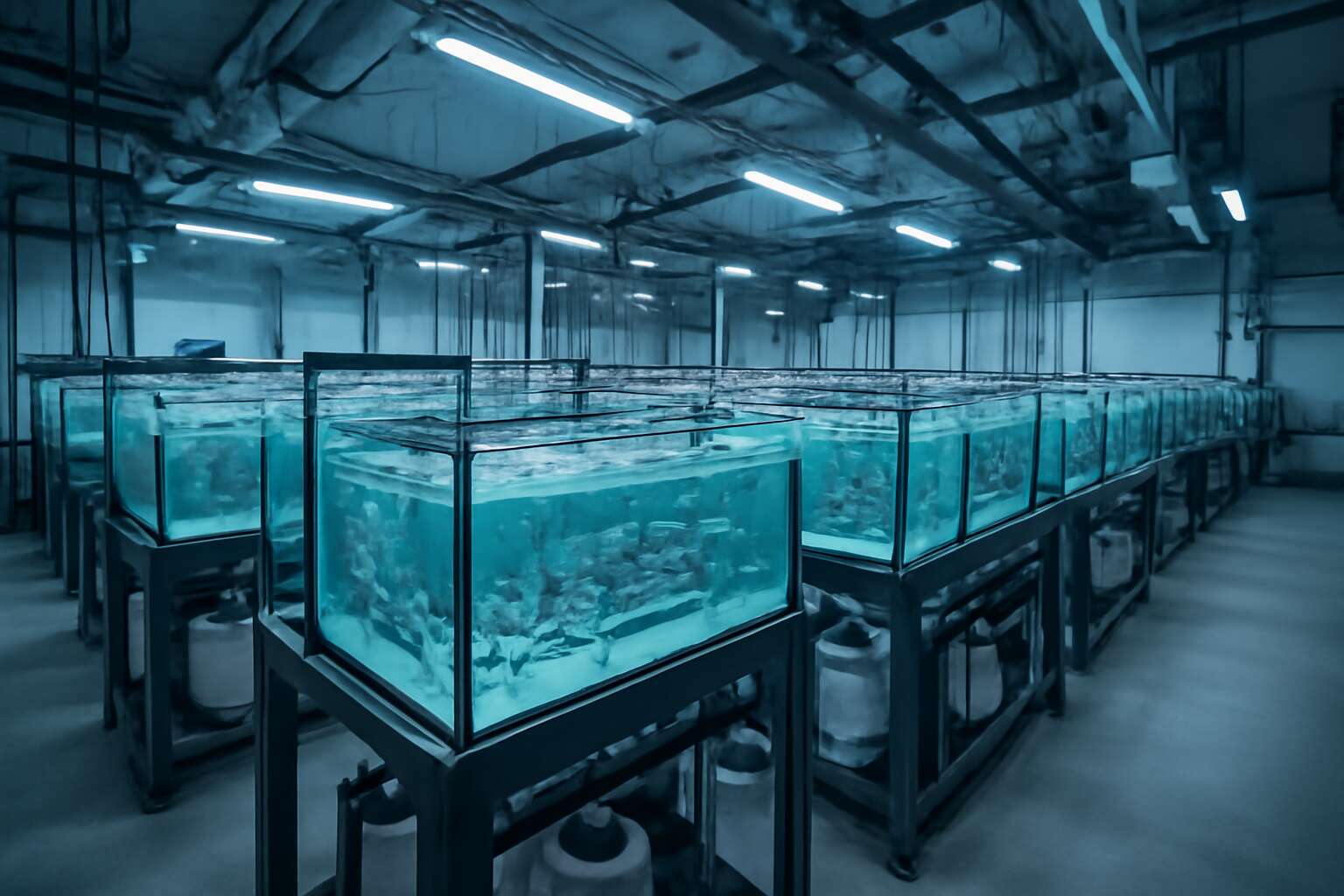
Understanding Commercial-Scale Aquaculture Aquariums
Key Features of Farm-Scale Aquariums
Across South Africa, the fish farm aquarium sector is quietly rewriting the national menu, with aquaculture output growing at double digits as farms blend efficiency with artistry. A recent briefing notes that smarter systems cut waste while lifting yield, turning every tank into a small theatre of sustainable abundance!
Understanding commercial-scale aquariums begins with water: circulation, filtration, and biosecurity knit the business with reliability. These are the pillars of a healthy stock at scale.
- Robust water-recycling systems
- Sensor-driven monitoring
- Biosecurity protocols
Together they translate into predictable harvests, even in regional kitchens across the country.
From the steady chorus of pumps to the shimmer of healthy stock, the fish farm aquarium embodies stewardship and opportunity.
Differences Between Home Rigs and Commercial Systems
Across South Africa, the fish farm aquarium sector quietly rewrites the kitchen-table myth of fishkeeping, with double-digit growth turning every tank into a stage for sustainable abundance. In commercial systems, scale meets craft, and reliability becomes a heartbeat under glass, transforming space into a sanctuary of consistent harvests.
Home rigs and commercial installations diverge in scale, control, and discipline. The differences are not just bigger pipes; they are orchestration—forethought guiding every resident fish and flow.
- Stocking density and turnover managed at facility scale
- Automation platforms and real-time monitoring
- Quarantine and hygiene workflows across multiple tanks
From the hum of pumps to the glimmer of healthy stock, the fish farm aquarium stands as a testament to stewardship, where data and craft mingle and the journey from fry to plate feels almost magical.
Core Benefits for Production and Research
Across South Africa’s commercial aquaculture corridors, growth is not a rumor but a metric—roughly 12% year over year—driven by systems that prove reliability under glass and in scale. A fish farm aquarium is more than a container; it’s a chassis for production discipline and research curiosity, where every parameter earns its keep.
Core benefits for production and research emerge as soon as the water hums with predictable steadiness. With a unified platform, experiments and operations share a common tempo, from growth trials to routine health checks. Consider these advantages:
- Consistent conditions driving reproducible data for a fish farm aquarium
- Integrated monitoring enabling rapid decision-making
- Secure, scalable workflows for multi-tank studies
That blend of data and craft makes the journey from fry to plate feel almost ceremonial—a dignified dance where science and stewardship share the stage. In a world of shifting variables, commercial-scale aquariums quietly deliver both insight and abundance.
Designing and Setting Up a Farm-Scale Aquarium System
Sizing and Layout Planning for Efficiency
Energy is the quiet specter in any large-scale project. In South Africa’s evolving fish farm aquarium scene, a footprint sized and laid out with foresight can slash energy and water use by up to 25%. A properly designed system breathes—water flows with purpose, life concentrates in patterned currents, and the facility feels less like a warehouse and more like a living chamber for growth.
Sizing and layout planning for efficiency begins with the life-support spine: turnover rates, filtration load, and a reserve for contingencies. Position pumps, sumps, and racks to minimize piping length and dead zones, while leaving room for future species and expanded capacity. For a fish farm aquarium, balance between compactness and accessibility becomes the quiet covenant that sustains production and health.
Filtration and Circulation Architecture
The rush of water is a persuasive ally in fish farming. In South Africa, a recent pilot found energy use dropped by 22% when filtration and circulation were tuned to the facility’s rhythm—proof that flow design can pay for itself in months, not years.
For a fish farm aquarium, filtration and circulation architecture is the spine of reliable production. Think compact, modular, and future-ready:
- Turnover rate aligned with species and production planning
- Staged filtration—mechanical, biological, and chemical—placed to minimize dead zones
- Modular zones to simplify expansion and maintenance
Pumps, sumps, and racks should sit on a clean, short loop, with gravity aiding returns and smart pumps trimming energy use. The result is a system that breathes, scales, and stays true to the promise of efficiency.
Lighting, Heating, and Climate Control
Across a South African fish farm aquarium, power bills once whispered threats; a pilot showed energy use fell 22% when lighting and climate rhythms tracked the facility’s tempo, turning routine glow into a cooperative heartbeat.
Designing and setting up a farm-scale system begins with a patient chronicle of the day. Lighting should respect species needs and offer adjustable spectrum; a steady photoperiod keeps behavior predictable and growth steady.
- Lighting spectrum and dimming strategy
- Smart thermostats with backup heat sources
- Integrated climate monitoring for humidity and air exchange
For installation, curate a compact, modular network: place controls at accessible height, align lights to avoid glare, and couple temperature regulation with alarms. Data logs become compasses, guiding future expansions of the fish farm aquarium.
Redundancy and Safety Measures
A South African pilot noted a 28% drop in unplanned downtime when redundancy and safety principles braided through the design of a fish farm aquarium from the outset. This isn’t gadgetry; it’s a quiet promise that life-support stays aligned even when weather or demand tests the day.
- Backup power pathways that keep pumps, aeration, and critical sensors running during outages.
- Dual, independent sensing networks for temperature, humidity, and water quality to prevent single-point failures.
- Intrinsically safe alarm interlocks and automatic failovers that alert staff without disturbing the stock.
- Separated cooling and heating loops with automatic reset to avoid cascading faults.
Designed as architecture, not an afterthought, the fish farm aquarium breathes with resilience. Data logs become compasses, guiding future expansions and ensuring the living systems stay calm, capable, and creatively powered to prosper.
Species Selection and Stocking for Efficient Cultivation
Choosing Species with Market Demand
In a competitive South African market, selecting species with sustained demand is the seasoned investor’s instinct. For a fish farm aquarium, the balance between biology and business matters more than fashion. Market chatter notes an uptick of around 12% in ready-to-sell demand for dependable, fast-growing species over the past year.
A practical stocking plan respects production cycles, feed conversion, and biosecurity; the goal is a steady flow from tank to market. Consider these factors:
- Species with proven market demand
- Growth rate and feed efficiency
- Stocking density aligned with filtration and climate control
With a disciplined choice, a fish farm aquarium can smooth harvests, curb waste, and keep shelves stocked. By tracking South Africa’s local trends and seasonal shifts, the right species mix stays buoyant without compromising health or quality.
Stocking Density and Growth Rates
In a year when ready-to-sell demand for dependable, fast-growing species rose roughly 12%, the stock selection for a fish farm aquarium reads like a test of nerve and precision.
Stocking density must harmonize with filtration and climate to maintain momentum; growth rates shape turnover, not fashion.
- Growth rate and feed efficiency drive space allocation
- Filtration capacity sets safe stocking thresholds
- Health management hinges on consistent water quality
By tracking local trends and seasonal shifts, the right species mix stays buoyant without compromising welfare or quality in the South African market, keeping operations resilient.
Compatibility and Disease Risk Management
South Africa’s fish farm aquarium scene is buzzing, and last year’s ready-to-sell demand for dependable, fast-growing species rose roughly 12%—a sharp reminder that the right species mix can turn a ripple into a wave of profit!
Species selection for efficient cultivation compatibility hinges on matching needs and temperament. Consider these criteria:
- Water parameter alignment (temperature, pH, hardness)
- Growth rate and feed conversion similarity
- Temperament and compatibility with tank mates
- Health status and disease resistance
Disease risk is best managed with quarantine considerations, acclimation, and monitoring as guiding principles. Source stock from reputable suppliers, test for parasites, and maintain strict biosecurity; this protects against cross-contamination and seasonal disease spikes in SA markets.
With careful species selection and disciplined stocking, you keep welfare high and profits buoyant in a competitive SA landscape for your fish farm aquarium.
Water Quality, Filtration, and Health Management
Key Water Parameters to Monitor
In a fish farm aquarium, water quality is the unsung hero—nearly 80% of production setbacks trace to hidden swings in oxygen, ammonia, or pH across SA farms. When the water behaves, growth accelerates and drama stays off the menu.
Filtration isn’t optional upholstery; it’s the backbone. Mechanical stages trap particles, while bio-media hosts colonies that convert ammonia into nitrite and nitrate. Good circulation guarantees even filtration and eliminates stale pockets that invite trouble, especially in scale-up setups where turnover must outpace toxin buildup.
Health management hinges on tracking a handful of key water parameters. Keeping the numbers in check lets us catch trouble before it bites. Consider these essentials:
- Temperature
- pH
- Ammonia (NH3/NH4+)
- Nitrite
- Nitrate
- Dissolved oxygen
Regular checks turn chaos into clockwork in a fish farm aquarium.
Filtration Types for Farm-Scale Systems
The surface gleams, but the true engine of a fish farm aquarium is the unseen current beneath. Across South Africa, seasoned operators report that up to 60% of production hiccups trace to quiet swings in oxygen and toxins that slip past inattentive filters. I’ve witnessed how such whispers become storms when the system sleeps.
Filtration isn’t upholstery; it’s the backbone. Mechanical stages trap grit, while bio-media hosts colonies that convert ammonia into nitrite and nitrate. Good circulation guarantees even filtration and banishes stale pockets, especially in scale-up setups where turnover must outrun toxin buildup. Filtration types for farm-scale systems include:
- Mechanical pre-filtration for clarity
- Biological filtration with surface bio-media
- Chemical filtration using activated carbon
- Sterilization and disinfection (UV or ozone)
Health management hinges on steadfast monitoring and rapid response. In a well-tuned farm, this architecture keeps stressors at bay, ensuring the aquarium stays productive rather than portending trouble.
Biosecurity, Quarantine, and Disease Prevention
Across the South African aquaculture landscape, the quietest currents decide the day. Up to 60% of production hiccups trace to unseen swings in oxygen and toxins slipping past inattentive filters. Water quality is the heartbeat—steady oxygen, balanced pH, and tight margins on ammonia, nitrite, and nitrate steer growth, feed efficiency, and survival.
Filtration is the unseen architect. Mechanical pre-filtration clarifies; bio-media colonies metabolize waste; chemical filtration with activated carbon scrubs organics; UV or ozone sterilization seals the last gates. With even circulation, there are no stale pockets; when it falters, trouble travels through the water column of a fish farm aquarium.
Health management hinges on vigilant monitoring and a rapid response to anomalies. In a well-tuned operation, biosecurity acts as a shield—new stock quarantined, crossings between bays limited, and disease signals read early to avert spread.
- Biosecurity protocols
- Quarantine concepts
- Disease prevention through monitoring
Routine Monitoring and Troubleshooting
Water quality is the silent heartbeat of a fish farm aquarium. Oxygen must breathe evenly, pH stay balanced, and ammonia, nitrite, and nitrate stay tight—otherwise growth stalls and stressed fish whisper warnings.
Filtration is the unseen architect, a quiet guardian: keep media clean, ensure steady flow, and sweep away debris before it mutates into trouble. When filters clog or circulation falters, the entire water column pays the price.
- Media cleanliness and replacement schedule
- Flow rate and return pressure
- Seals, pumps, and tubing integrity
- Dead zones and turbulence checks
Health management hinges on vigilant monitoring and rapid response to anomalies. A concise log of daily readings and any oddities helps you nip trouble in the bud, before it travels through the system and into stock. In a fish farm aquarium, precision is survival.
Maintenance, Budgeting, and Compliance for Farm-Grade Aquariums
Costing: Setup, Running, and Replacement
Maintenance for a farm-grade system is a daily voyage, where steady currents and clean surfaces keep fish confident and production steady. Regular sensor calibration, water testing, and equipment servicing are your compass, ensuring pumps, heaters, and filters stay in smooth, silent harmony within the fish farm aquarium.
Budgeting for a fish farm aquarium means planning for three lifecycles: setup, running costs, and eventual replacement. Initial spend covers sturdy filtration, climate control, and containment. Ongoing expenses include electricity, feed, water, and routine spares. In South Africa, a thoughtful budget accounts for load shedding, tariff changes, and seasonal feed needs.
Compliance focuses on biosecurity, waste handling, and water stewardship. Align with DEFF guidelines and local licensing, maintain quarantine protocols, and document inspections. In practice, this means secure disposal of effluent, controlled stocking, and transparent reporting—keeping your operation sustainable and compliant while supporting the integrity of the broader aquatic marketplace.
Maintenance Scheduling and Automation
Maintenance is the quiet engine of a fish farm aquarium; in South Africa, up to 80% of downtime traces to skipped upkeep. Smart maintenance scheduling and automation keep pumps whispering, sensors singing, and alarms harmonizing—less drama, more steady yields!
Budgeting for a fish farm aquarium follows three lifecycles: setup, running costs, and eventual replacement. The prudent plan anticipates load shedding, tariff shifts, and seasonal feed swings, ensuring the clockwork persists when the grid takes a coffee break. A concise budget map can include:
- Initial build investments
- Ongoing energy, feed, and spare parts
- Equipment replacement and upgrades
Compliance remains the stern guardian of the fish farm aquarium. Align with DEFF guidelines and local licensing, maintain quarantine protocols, and document inspections. The payoff is secure effluent disposal, controlled stocking, and transparent reporting—safeguarding sustainability and trust across the aquatic marketplace.
Regulatory Considerations and Certifications
In a South African context, downtime is a quiet thief—up to 80% of outages trace to skipped upkeep. Maintenance is the quiet engine behind steady yields in a fish farm aquarium. When pumps whisper, sensors sing, and alarms stay in tune, the system behaves like a rhythm rather than a crisis. Skipping upkeep? That drama you don’t want to invite!
Budgeting for the lifecycle—setup, running costs, replacement—gives the system a future-proof spine. A concise budget map helps weather tariff shifts and seasonal feed swings.
- Initial build investments
- Ongoing energy, feed, and spare parts
- Equipment replacement and upgrades
Compliance is the stern guardian of the fish farm aquarium. Regulatory hurdles are not cage walls but a framework that sustains production and trust. Align with standards, maintain records, and let transparency guide every stocking decision.
- Adhere to DEFF standards and obtain required licenses
- Implement quarantine controls and routine inspections
- Keep thorough records of audits, waste disposal, and public reporting
Record-Keeping and Data Management
Downtime is a quiet thief—up to 80% of outages trace to skipped upkeep—and in a fish farm aquarium, a tight data backbone can save more than money. In practice, a single missed entry can ripple through water quality, stock health, and yield timelines—costs rise while confidence falls. Transparent record-keeping anchors operation in reality, not myths.
Maintenance, budgeting, and compliance converge here. A concise data map tracks maintenance windows, lifecycle costs, and regulatory obligations, letting the team anticipate tariff shifts and seasonal feed swings without surprises. Consider these priorities:
- Maintenance cadence linked to equipment runtimes
- Lifecycle budgeting for setup, running costs, and replacement
- Regulatory filing, audits, and public reporting trails
Compliance remains the stern guardian, ensuring stock decisions are defensible and traceable. With robust data, audits become guidance rather than gauntlets, and the path to DEFF standards and licenses feels like a settled rhythm for the fish farm aquarium.

0 Comments