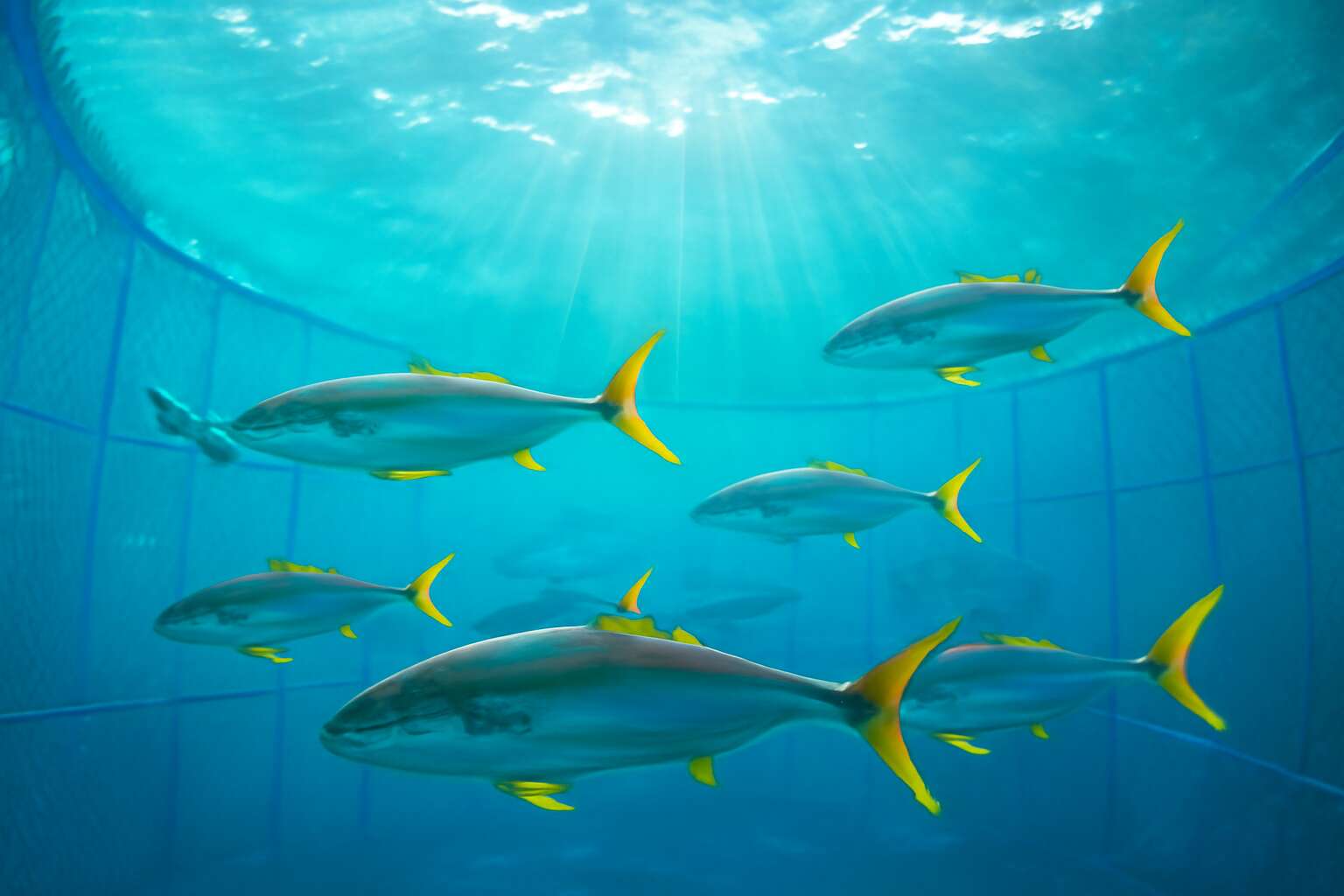
Aquaculture Yellowtail: SEO Content Outline
Section 1: Understanding aquaculture yellowtail in global context
Global aquaculture now accounts for more than half of seafood produced for human consumption, and aquaculture yellowtail sits at the heart of this growth. Its appeal lies in dependable texture and clean flavor that travels well to South Africa’s kitchens.
- Growing demand in export markets and local restaurants
- Advances in recirculating systems and feed efficiency
- Regulatory frameworks shaping safety and traceability
From bustling ports to inland farms, the global context mixes tradition with technology, inviting explorers of seafood to witness how ocean-farmed fish bridge continents and cuisines.
Section 2: Farming techniques and production systems for aquaculture yellowtail
Farming techniques in the race from fry to fillet operate as a careful choreography of water, feed, and timing. From compact onshore RAS to expansive offshore pens, production systems emphasize control over stress, temperature, and solids. In South Africa, this balance translates into energy-smart designs and robust biosecurity since margins hinge on consistent growth and taste rather than chance.
Common production architectures include:
- Onshore recirculating systems (RAS) with modular biofilters
- Nearshore sea cages that exploit natural currents
- Hybrid setups combining tanks with controlled water exchange
Feed efficiency, water quality monitoring, and rigorous biosecurity define the operating discipline, with sensors and data helping keep stress low and growth predictable. In this context, aquaculture yellowtail in South Africa benefits from precise feed regimes and transparent traceability that supports both local markets and export standards.
Section 3: Economics, sustainability, and certification of aquaculture yellowtail
South Africa’s seafood narrative thrives where numbers meet virtue. Certified seafood often carries a premium—research and market signals show up to 20% more per kilo when traceability and stewardship are transparent and verifiable.
For aquaculture yellowtail, economics hinge on feed conversion, energy costs, and access to discerning markets. Scale lowers unit costs, while robust records prove sustainability to buyers and regulators alike, shaping long-term contracts and brand value.
Life-cycle thinking informs water stewardship, waste minimization, and humane handling, blending local ingenuity with climate resilience. Innovative feed sourcing and smaller carbon footprints become the hallmarks of a harvest that respects both shore and shelf.
Certification ties these ambitions to markets, signalling reliability to buyers and banks.
- GlobalGAP certification
- Aquaculture Stewardship Council (ASC)
- Best Aquaculture Practices (BAP)
In South Africa, such frameworks illuminate supply chains and bolster export readiness.
Section 4: Market applications, consumer trends, and culinary aspects of aquaculture yellowtail
Across coastal markets, including South Africa, customers are not just buying fish—they’re buying provenance. A recent trade survey found products with verifiable origins sell 25% faster in premium channels.
For discerning palates, aquaculture yellowtail balances tenderness with umami, expanding culinary horizons. Its clean, firm flesh adapts to sashimi, grilling, and citrus-bright sauces.
- Restaurant-forward dining and tasting menus
- Retail counters and online orders with traceability tags
- Export-focused supply chains seeking consistent year-round supply
In kitchens, chefs report that the fish holds moisture, responds to smoke, and shines when paired with herb oils and citrus zest.




0 Comments