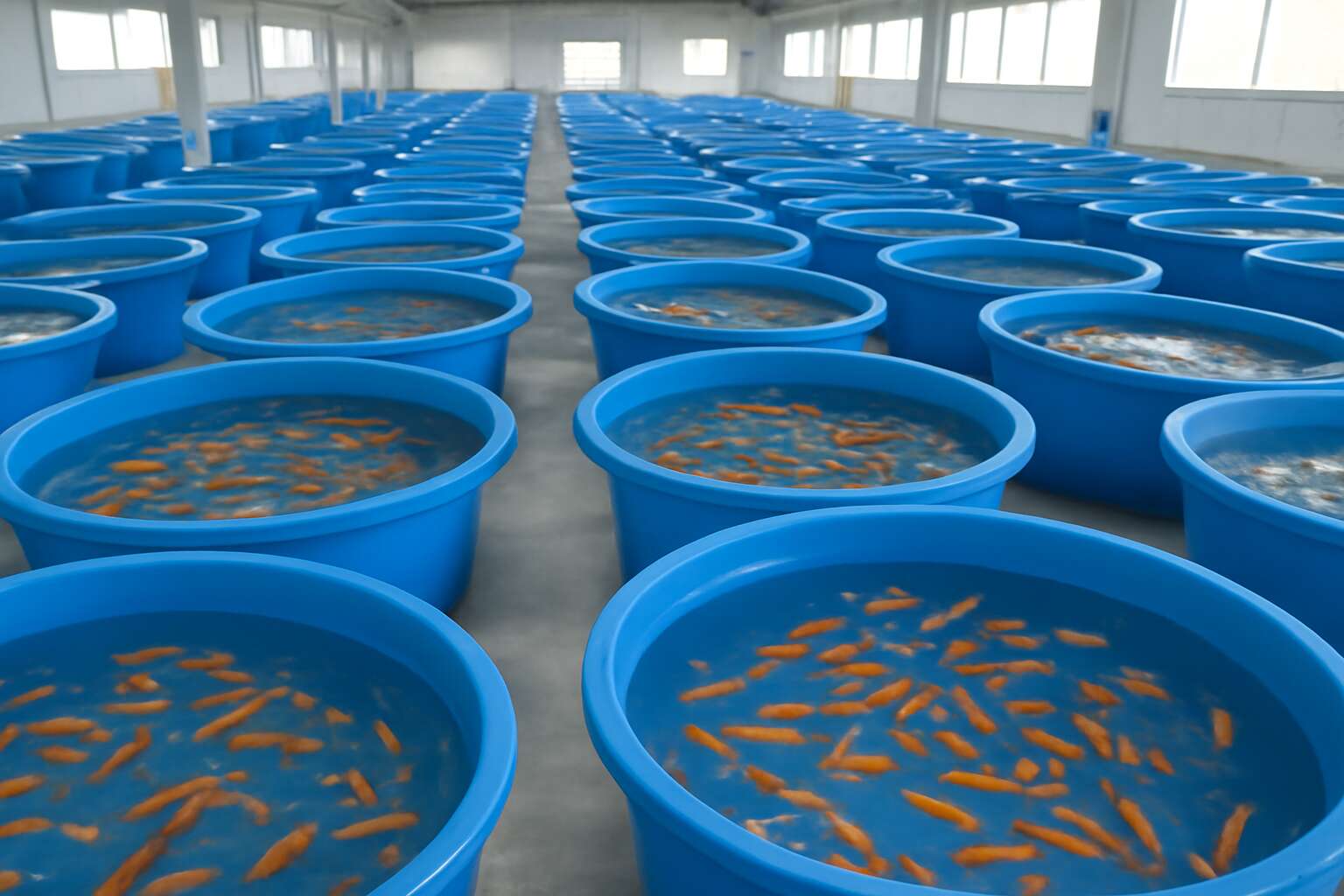
Understanding Aquaculture Containers and Their Uses
What are these containers?
In South Africa, water-wise farming isn’t a nice-to-have—it’s a necessity. Some local producers report up to 30% faster harvests when systems lean on purpose-built containers.
Understanding aquaculture containers is about more than a box; it’s about rhythm, water, and life. I’ve watched how the right tub design calms stock and makes daily checks easier! Aquaculture tubs are open or closed, crafted from food-grade plastics, and designed to cradle juveniles, grow-out stock, or incubation breeders with minimal stress and ample oxygen. They come in sizes that suit stocking density, climate, and space—whether a coastal hatchery or inland recirculation setup.
- Material safety and UV resistance
- Size variants from fingerlings to adults
- Drainage, cleaning, and sanitation ease
- Mobility and stacking for compact storage
Used across species—from tilapia to prawns—these aquaculture tubs empower farming practices grounded in stewardship and efficiency, reflecting South Africa’s practical, people-centered approach to aquaculture.
Materials and Construction
Within every coastal dawn, a notable truth glows: harvests can be up to 30% faster when systems lean on purpose-built containers. I’ve watched the rhythm emerge—water becoming a patient mentor and daily checks falling into a calm cadence. Containers aren’t mere boxes; they cradle life.
From open or closed options to food-grade plastics, the construction of aquaculture tubs matters as surely as tide and shore. UV resistance, smooth interiors, and easy-clean seams reduce stress on stock and support reliable performance across cycles. Material choice is a pact with safety.
Sizes balance density with climate, whether coastal hatchery or inland recirculation. In South Africa these tubs reflect a practical, people-centered approach to aquaculture—supporting tilapia and prawns while safeguarding water and livelihoods.
Size Options by Species
Across South Africa’s coastal and inland systems, understanding what a tub can host is a quiet revolution! When aquaculture tubs are sized to the biology of the stock, growth becomes steadier and waste easier to manage. It’s not merely plastic, but a measured pact: the right volume, the right turnover, the right chance for a calm, reliable cycle.
Species drive shape and size decisions:
- Tilapia: 500–2,000 liters per tub to balance density and growth
- Prawns (shrimp): 200–800 liters for frequent, gentle handling
- Catfish: 600–1,500 liters for robust physiology
Across a country focused on practical, people-centered aquaculture, these size options reflect climate, water use, and livelihoods.
Key Design Features and Benefits
Across South Africa, a single tub can anchor a season’s harvest, turning coastal and inland effort into reliable nourishment. These aquaculture tubs are more than plastic; they embody a design philosophy—balanced water turnover, straightforward cleaning, and durable finishes—that creates calmer, steadier cycles for growers and their families.
- Shape and depth tuned for gentle stock interaction
- Easy-clean interiors with smooth seams
- Lockable lids, UV resistance and weather-ready hardware
Easy handling, modularity, and smart drainage turn space into profit. The best designs support stacking, quick access for feeding or sampling, and long life under sun and rain. For communities building resilience, these containers become trusted partners in daily work, weaving dignity into the rhythms of harvest and care.
How to Select the Right Container for Your Operation
Across South Africa, the harvest’s rhythm is set as much by space as by water. A regional survey points to a 40% uptick in yield consistency when operations lean into modular containers—turning unpredictability into a steady cadence. “The aquaculture tubs are a quiet anchor in the day’s work!” a grower notes.
Choosing the right container means reading the flow of your operation: ease of cleaning, access for feeding and sampling, and how the design handles turnover and season-long use under sun. Consider durability, ultraviolet resistance, and whether it can scale with your family’s needs.
Key selection criteria:
- Modularity and stackability to fit your space
- Internal geometry that preserves gentle stock interaction
- Reliable drainage and secure lids for weather and safety
Benefits of Using Containers in Aquaculture Systems
Water Quality and Oxygenation Benefits
Every litre saved matters. Some farms report up to 30% lower water turnover when using containment systems, translating into steadier water quality and calmer fish.
aquaculture tubs make oxygenation and filtration easier to manage because volume is predictable and isolated. You can tune aeration, monitor dissolved oxygen, and limit ammonia buildup without sweeping the entire system!
Key benefits include:
- Steady water quality with predictable turnover
- Targeted aeration and filtration
- Modular expansion and easy cleaning
That clarity helps managers in South Africa keep compliance and performance aligned, even during heat waves.
Cost Efficiency and Scalability
Hold tight to the ledger of profit and possibility: aquaculture tubs turn cost into clarity. Their compact form trims waste, cuts energy demands, and folds growth into a predictable rhythm rather than a jagged glare of variable flow. In South Africa’s shifting climate, where heat waves press on margins, the value of steady, scalable systems becomes a quiet sort of armor. The cost efficiency gained is not loud—it keeps maintenance lean and margins steadier, letting managers sleep a little easier at night.
- Lower capital outlay and easier retrofits due to a compact footprint
- Modular expansion that keeps pace with seasonal demand without overreach
From a manager’s desk, those are not mere numbers—they are a rhythm you can trust. In South Africa, where reliability under pressure is the true currency, aquaculture tubs translate potential into practice.
Maintenance and Cleaning Advantages
Maintenance is the quiet cost that can erode margins when attention drifts. With aquaculture tubs, cleanliness becomes a design feature—sleek interiors, cleanable seams, and modular parts that dare you to skip the ritual. A South African operator once quipped, “In heat and hustle, a clean system is a steady heartbeat.” The result is fewer closures, less biofilm, and more reliable harvest cycles.
- Accessible ports and open rims for rapid sanitation
- Detachable liners or baskets that cut scrub time
- Non-porous, corrosion-resistant materials that resist biofilm
- Streamlined gaskets and fittings that simplify disassembly for deep cleaning
In South Africa’s climate, those maintenance advantages translate to risk-managed margins and calmer nights for managers.
Mobility and Modular Design
Movable, modular, and miraculously adaptable, aquaculture tubs redefine the tempo of fish farming. Mobility lets managers tune responses to feeding windows, weather whims, and market shifts, turning underused space into a kinetic asset. In South Africa’s varied climates, a container that can migrate from sun to shade is not a luxury—it is a safeguard and a strategic edge.
- Rapid reconfiguration for weather, water, or market shifts
- Stacking and nesting to maximize limited space
- Interchangeable liners and fittings for fast turnarounds
- Lightweight, corrosion-resistant frames for field deployment
Modularity threads efficiency into the fabric of operations. When containers are designed to blend and grow with needs, margins stay steady and nights stay calm. Aquaculture tubs become a choreography of production—practical, poetic, and resilient.
Choosing the Right Type and Size for Your Operation
Material Options: HDPE, Fiberglass, and Stainless Steel
Choosing the right type and size for your operation is less about fashion and more about weathering the waves of demand! A recent survey suggests the right tub type cuts maintenance downtime by up to 30%. With aquaculture tubs, HDPE delivers light handling and excellent UV resistance; fiberglass offers thermal stability that keeps stock calm; stainless steel stands up to salt and rigorous sanitation. In South Africa’s diverse climates, that trio means fewer interruptions and more predictable harvests.
- HDPE: lightweight, impact resistant, budget-friendly
- Fiberglass: stable temperatures, smooth interior
- Stainless steel: top sanitation, durable in brackish water
Size should reflect species, stocking density, and water turnover; a modular approach lets you scale without heavy retooling as your operation grows.
Capacity, Stocking Density, and Growth Rates
In a market where demand can swing like a South African summer storm, the type and size of your tubs is a predictor of harvest timing. A recent survey shows farms that tailor tub selection to capacity and growth rates slash downtime by up to 30%. Choosing the right aquaculture tubs isn’t about flashy gear; it’s about longevity, efficiency, and calm stock throughout the season.
- Capacity planning and modular scaling to prevent retooling as you grow
- Stocking density aligned to species behavior, feed, and water turnover
- Growth rate projections that inform volume and turnover schedules
When you balance these factors, your operation in South Africa benefits from fewer interruptions and steadier harvests. The choice translates into predictable cycles, even as climate and market whims shift.
Site and Climate Considerations
Across South Africa’s diverse farms, the right type and size of aquaculture tubs can orchestrate harvest timing with uncanny precision. A recent survey shows that farms tailoring tub selection to site capacity and climate slash downtime by up to 30%. Choosing containers that fit your footprint and seasonal rhythm isn’t flashy gear; it’s the quiet backbone of longevity, efficiency, and calm stock throughout the year!
- Evaluate sun exposure and prevailing winds to guide placement and shading
- Map seasonal rainfall and drainage to prevent pooling and ensure turnover
- Plan for easy access and future scaling as your operation grows
South Africa’s climate—strong sunlight, gusty winds, and sudden showers—sets the rules for placement, insulation, and resilience. The right type and size of aquaculture tubs align with these patterns, delivering predictable cycles and resilient stock even when the weather turns. With thoughtful siting, you gain steadiness from season to season.
Integration with Filtration and Aeration
Across SA farms, tailored aquaculture tubs keep harvest timing honest and downtime lean — a recent survey shows operations that match tubs to site capacity slash downtime by up to 30%. The right type and size isn’t a flashy accessory; it’s the quiet engine behind steady stock and predictable cycles. When you choose, you’re aligning flow, filtration, and aeration from day one, so filters aren’t starved for turnover and aerators aren’t overworked.
- Filtration compatibility: matching tub volume and flow to prevent bottlenecks
- Aeration strategy: diffuser coverage and turnover aligned with tub geometry
- Scalability: modularity to accommodate future tank upgrades and filtration gains
With South Africa’s sun and wind, the placement and insulation of aquaculture tubs shape resilience as much as the stock does. Pick types and sizes that harmonize with your filtration and aeration goals, and your operation enjoys steadier turnover and calmer stock season after season.
Setup, Installation, and Best Practices
Site Preparation and Permitting
‘Plan early, conserve water,’ a South African grower likes to say, and the data backs this up: meticulous setup sharpens yields for aquaculture tubs.
Site preparation for aquaculture tubs begins with a solid, level foundation, ready access to clean water, and dependable power. Before you assemble, confirm local permitting and zoning.
- Assess water source quality and flow
- Verify load-bearing capacity and drainage
- Plan sanitation, biosecurity, and access routes
Installation follows with careful positioning, anchoring, and linking of plumbing and aeration. A dry run, then a full cycle, reveals leaks and temperature quirks.
Best practices in site governance and permitting demand vigilance: keep approvals current, document waste handling, and coordinate with municipal authorities to safeguard your aquaculture tubs.
Plumbing and Drainage Configuration
South Africa’s aquaculture tubs promise strong yields when setup is deliberate. A veteran grower insists, “plan the space, then let the water tell you what it wants,” and the proof sits in the tanks. Setup here means future-ready siting, accessible sanitation, and a thoughtful flow that respects the water’s rhythm.
- Spatial layout that minimizes cross-flows
- Drainage routing aligned with gravity
- Accessible monitoring and maintenance points
Installation emphasizes careful positioning, anchoring, and the seamless linking of plumbing and aeration. A dry run helps reveal leaks and temperature quirks before a full cycle—but the message remains: observe, adjust, respect the system.
Best Practices in Plumbing and Drainage Configuration call for corrosion-resistant fittings, compatible materials, and clean, accessible drainage lines that scale with your operation. For SA operations, robust waste handling and leak monitoring support steady performance over seasons.
Aeration and Circulation Setup
Yields on SA farms can rise up to 20% when the water is respected and allowed to pick its tempo. Setup isn’t just where you put things; it’s future-ready siting, accessible sanitation, and a flow that respects the river’s rhythm.
To keep aeration and circulation singing, consider these finer points:
- Diffuser placement for uniform oxygenation and no cold pockets.
- Energy-efficient pumps sized for scalable circulation.
- Accessible valves and gauges for quick checks.
Installation emphasizes careful positioning, anchoring, and seamlessly linking plumbing and aeration. A dry run reveals leaks and temperature quirks before a full cycle—observe, adjust, respect the system.
Best Practices in Aeration and Circulation Setup require corrosion-resistant fittings, compatible materials, and unobstructed lines that scale with your operation. In SA, rugged components and reliable monitoring keep aquaculture tubs moving through seasons.
Safety and Handling Protocols
Setup is not a checkbox; it sets the tempo for growth. With aquaculture tubs, thoughtful placement—future-ready siting, accessible sanitation, and a flow that mirrors the river’s rhythm—creates steadier yields. Diffuser placement and gentle circulation guard against temperature gradients and dead zones.
Installation rewards precision: careful positioning, firm anchoring, and seamless links between plumbing and aeration. A dry run reveals leaks and temperature quirks before a full cycle—observe, adjust, respect the system.
Best Practices Safety and Handling Protocols hinge on corrosion-resistant fittings, compatible materials, and unobstructed lines that scale with your tubs. In SA, rugged components and vigilant monitoring keep the system moving through seasonal swings.
- Lockout/tagout and personal protective equipment
- Spill containment and routine cleaning
- Scheduled inspections and quick corrective actions
Seasonal Maintenance Routines
Setup is the tempo, not a checkbox—especially under South Africa’s radiant skies, where thoughtful layout turns potential into steady yield. Place aquaculture tubs with future readiness in mind: accessible sanitation and a flow that mirrors a river’s rhythm. Diffuser placement and gentle circulation scatter heat pockets and banish dead zones.
Installation rewards precision: precise positioning, firm anchoring, and seamless links between plumbing and aeration. A dry run reveals leaks and temperature quirks before a full cycle—observe, adjust, respect the system. With care, these containers become reliable engines of growth, tuned for local heat and humidity.
Best Practices Seasonal Maintenance Routines hinge on corrosion-resistant fittings, compatible materials, and unobstructed lines that scale with your tubs. In SA, rugged components and vigilant monitoring keep the system moving through seasonal swings.
- Spill containment and routine cleaning
- Scheduled inspections and quick corrective actions
- Lockout/tagout and personal protective equipment (PPE)
Troubleshooting Common Issues
In SA, 20% of early yields are lost to setup mistakes—a hallmark of heat and haste. Setup is tempo, not a checkbox. Plan for the future: place aquaculture tubs with accessible sanitation, a river-like flow, and a layout that reduces heat pockets and dead zones. I watch the layout like a careful observer.
Installation rewards precision: precise positioning, firm anchoring, and seamless links between plumbing and aeration. A dry run reveals leaks and temperature quirks before a full cycle—observe, adjust, respect the system. With care, these containers become engines of growth, tuned for local heat and humidity.
Best Practices Troubleshooting Common Issues: corrosion-resistant fittings, unobstructed lines, and vigilant monitoring keep the system in motion. Scheduled inspections and lockout/tagout with PPE prevent surprises. Common issues include leaks, temperature drift, and airflow blockages.
- Leaks and drips
- Temperature pockets or drift
- Blocked aeration or clogging
Maintenance, Cleaning, and Longevity
Regular Cleaning Schedule and Procedures
Durability wins in the water, and clean water wins the race! For aquaculture tubs, consistent care keeps biofilms at bay and stock stress low. Small gains in cleanliness translate to bigger yields at harvest—the difference is real.
Set a Regular Cleaning Schedule and Procedures that align with your stocking density and turnover. Use non-corrosive cleaners, avoid residue, and document checks on seals, fittings, and lids. A predictable rhythm reduces downtime and preserves tub integrity in South Africa’s climate.
Longevity comes from material resilience and disciplined upkeep. Sticking to the cadence protects against pitting, UV wear, and scale buildup. When aquaculture tubs last longer, maintenance bills stay manageable and your operation stays productive.
Sanitation and Biosecurity Practices
‘Clean water is cash in the bag,’ a veteran operator likes to say. For aquaculture tubs, maintenance is performance, not padding. Use non-corrosive cleaners, rinse to remove residue, and check seals, fittings, and lids at every turnover. A simple log keeps the rhythm tight in South Africa’s heat.
- Rinse after each batch with a non-corrosive cleaner; rinse until free of residue.
- Inspect seals, lids, and fittings for wear; replace as needed to prevent leaks.
- Log cleaning and biosecurity checks for traceability and accountability.
Longevity comes from disciplined upkeep. Isolate new stock, maintain a clean workspace, and monitor for UV wear and scale buildup. With steady sanitation, aquaculture tubs stay productive, and maintenance costs stay sensible.
Repair and Replacement of Components
In South Africa’s heat, three in ten aquaculture tubs show seal wear within six months, a stark reminder that durability is earned, not assumed!
Longevity comes from disciplined upkeep. Beyond cleaning, longevity hinges on timely repairs and component replacement.
- Seals, lids, and fittings exhibit wear; replacements are scheduled to prevent leaks
- UV exposure and scale buildup on hardware are monitored during routine checks
- A small spare parts stock and a simple replacement log improve traceability
Maintenance is a margin of safety—clear records and regular diagnostics turn downtime into predictable costs. When components age, their efficiency dips, yet a proactive approach preserves productivity and extends service life.




0 Comments