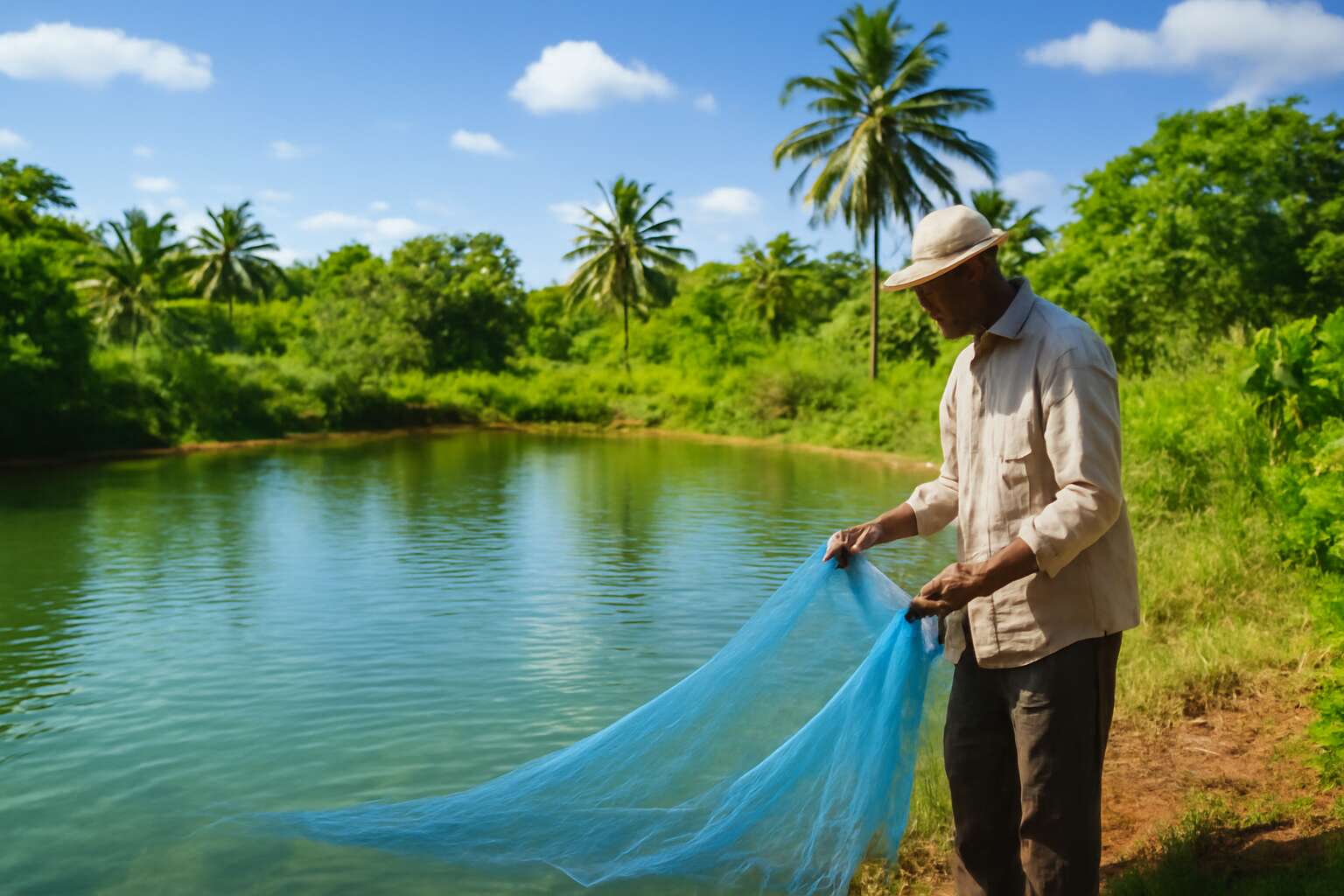
Kenya aquaculture landscape: overview and opportunities
Overview of the Kenyan aquaculture sector
“The future is fed by ponds and perseverance,” a local innovator once said, and the answer to that truth hums across Kenya’s fish farms—the quiet swell of opportunity ready to be caught.
Kenya’s aquaculture kenya landscape blends freshwater ponds, hatcheries, and coastal cages, with tilapia and catfish leading production. The sector benefits from improving feeds, pragmatic policy support, and a skilled workforce; I see resilient livelihoods and steady supply for regional markets.
For South African readers, the Kenyan model glints as a regional beacon—strong on training, processing, and shared science, turning ponds into vibrant value chains and inviting cross-border cooperation!
Species and farming systems in Kenya
“Cages sing when ponds greet the sea,” notes a Kenyan hatchery manager, and the chorus grows with every harvest. In the aquaculture kenya landscape, tilapia and catfish dominate production, stepping from freshwater ponds to coastal cages, aided by nimble seed nurseries and improving feeds.
Species and farming systems blend tradition with modern practicality. Tilapia, catfish, and carp fill ponds, while hatcheries supply robust fingerlings. The main farming modalities shaping the sector include:
- Freshwater pond systems across key basins
- Coastal cage farming along the Indian Ocean corridor
- In-pond integrated agro-aquaculture for nutrient recycling
For South African readers, Kenya’s model glints as a regional beacon—showing how value chains, processing infrastructure, and cross-border science can turn small ponds into export-ready streams of opportunity. The narrative speaks of resilient livelihoods and shared growth across borders.
Markets, stakeholders, and value chains
Within aquaculture kenya, momentum hums along kettle-blue coasts and inland basins, where ponds ripple into cages and markets wake to the taste of homegrown harvests. Growth has hovered in the double digits in recent years, hinting at a future where smallholders become regional players.
Markets are widening—from local eateries to boutique processing plants—driven by nimble seed nurseries, better feeds, and investment in value chains. Stakeholders include farmers, hatcheries, feed mills, processors, and extension services, weaving a resilient, export-ready tapestry.
- Farmers and fishers
- Hatcheries and fingerling suppliers
- Feed mills and agribusinesses
- Processors and exporters
- Research institutes and extension services
This evolving landscape invites partners to imagine new possibilities, where calm ponds pulse with potential and cross-border science translates into steady livelihoods.
Sustainability, challenges, and future outlook
In Kenya’s tranquil ponds and inland basins, aquaculture kenya unfolds like a living manuscript where every ripple hints at a brighter protein future. Harvests have posted double-digit gains across key basins, signaling a homegrown resilience. Ponds shimmer at dusk as communities imagine regional markets tasting their own harvests.
Yet the journey braids challenges: water balance, climate risk, and the cost of quality feed. Disease control and extension services must travel faster than pests, turning knowledge into steady livelihoods.
- Enhanced water-use efficiency through pond design and rainwater harvesting
- Biosecurity and vaccination programs to curb disease spillovers
- Accessible financing and feed innovations to lift smallholders into value chains
Looking forward, cross-border collaboration, digital traceability, and resilient feed systems illuminate the horizon. The future glimmers as tiny ponds scale into regional supply networks, where science translates into steady livelihoods and communities treasure every harvest!

0 Comments