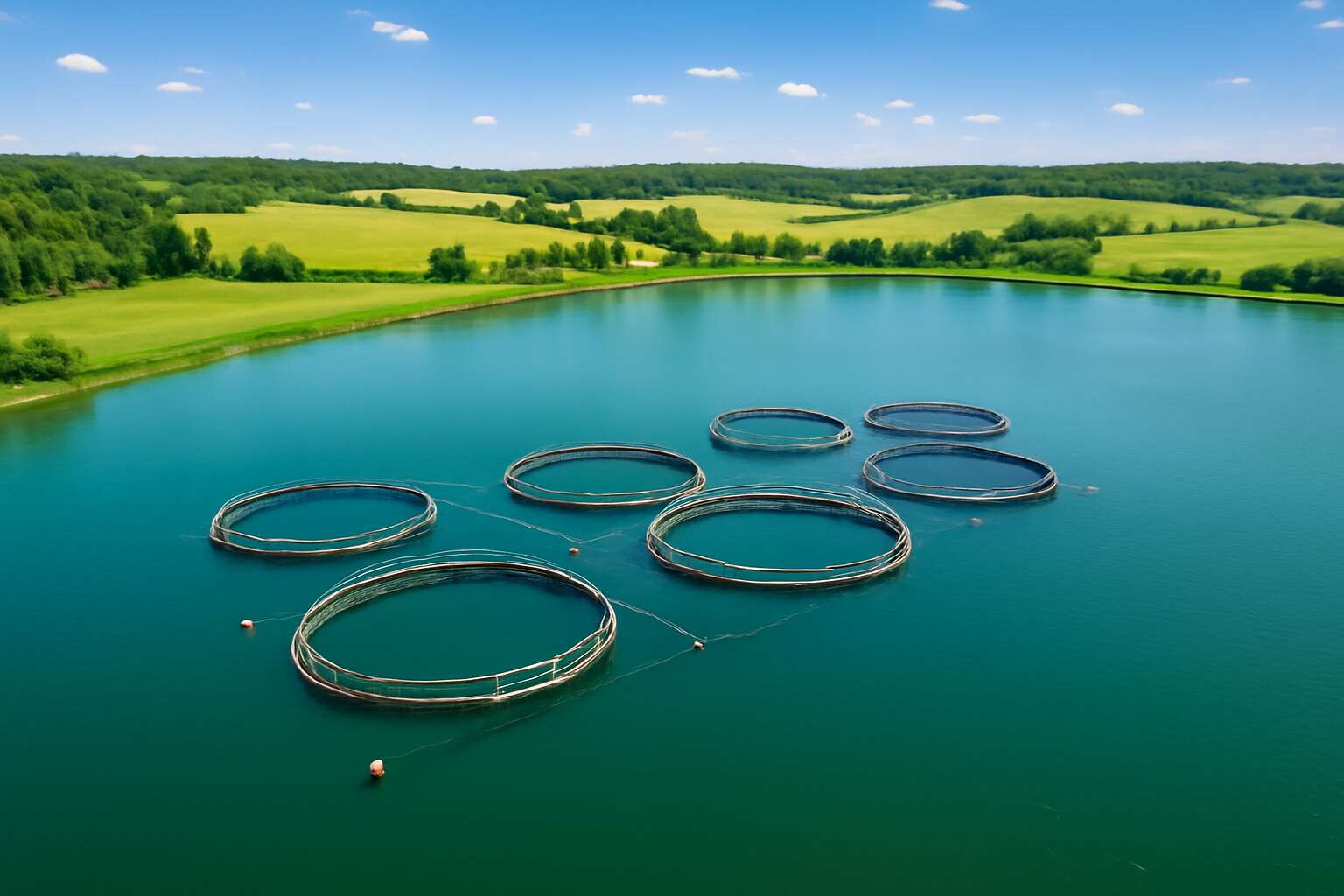
Overview of aquaculture in the Hanover region
Geographic and climate factors influencing fish farming in the Hanover region
Hanover’s coast and inland waterways are quietly rewriting the region’s protein map. The Hanover aquaculture segment grew by 12% last year, proving that precision farming beats guesswork. This is more than a label; it’s a story of resilience, where a convex blend of water, climate, and careful stock selection sustains a thriving fish farm hanover ecosystem for South Africa’s market.
Geographic and climate factors shape every operation. The Hanover basin’s temperate winters and cool mornings help reduce disease pressure, while river inputs support steady growth. Seasonal rainfall affects water flow and feed costs, making water management crucial. For a closer look, consider the following influences:
- Temperature stability and growth cycles
- Water quality, oxygen levels, and filtration
- Access to source ponds, logistics, and biosecurity
Key players and farms in the Hanover area
Across Hanover, aquaculture quietly underpins the region’s protein slate. More than 60 local farms contribute to steady supply, grounding the area in reliable harvests. I see it daily. The term fish farm hanover evokes a landscape of purpose-built ponds and careful routines.
In the Hanover region, aquaculture blends freshwater systems with controlled feeding and biosecurity discipline. Producers prioritise traceability, consistent stock performance, and market-aligned species choices, and it’s practical and precise, ensuring the product reaches South Africa’s kitchens with minimal delay and waste.
Several established names anchor the sector. Their sites span river systems, bays, and drainage channels, forming a network of logistics.
- Hillcrest Aquaculture
- Kloof River Fisheries
- Hanover Marine Farms
- Maplebank Aqua Co.
Together, these farms reinforce a resilient Hanover supply chain, delivering fresh fish to towns and retailers while maintaining strict biosecurity and welfare standards. Hanover’s coastline and waterways remain a living blueprint for South Africa’s aquaculture future.
Economic and employment impact of aquaculture near Hanover
Across Hanover, aquaculture quietly bolsters the region’s pantry. Climate-stable ponds mingle with river-fed channels, producing a disciplined rhythm of feeding, biosecurity, and careful stock management. The term fish farm hanover conjures a landscape where precision competes with patience! Every harvest threads into the local supply chain that quietly nourishes kitchens across South Africa.
Beyond the ponds, the economic heartbeat is tangible in jobs and steady demand for services. The sector sustains hundreds of local livelihoods—from farm technicians and hatchery staff to processing teams and transport crews—creating spillovers in feed mills, equipment suppliers, and veterinary care.
- Aquaculture technicians and farmhands
- Hatchery staff and stock management
- Processing, logistics, and quality control
In this quiet economy, the Hanover aquaculture corridor turns careful husbandry into steady local prosperity.
Regulatory landscape for aquaculture in Hanover
Across the Hanover basin, aquaculture moves with quiet intensity. The fish farm hanover grows not by accident but by disciplined seasons, where water quality, feeding rhythms, and biosecurity guard the harvest. A local producer keeps it simple: ‘The water hums; we ride its tempo.’ This isn’t just farming—it’s a patient craft feeding kitchens across South Africa and turning margins into meals.
Regulatory landscape for aquaculture in Hanover sits on a steady, transparent framework that protects water, wildlife, and workers. Core checks include licensing, site permits, and ongoing compliance that keep growth responsible.
- Licensing and permits
- Water-use and discharge standards
- Biosecurity and disease reporting
- Traceability and labeling
- Environmental impact assessments
Together, the regulatory landscape keeps the fish farm hanover promise steady and safe.
Sustainable practices in Hanover fish farms
Water quality management and recirculating systems
Across Hanover’s mist-slick valleys, water becomes more than a reservoir of life—it is the pulse that keeps the shadows at bay. The fish farm hanover matures into quiet mastery; industry whispers that wastewater has been cut by up to 40% when design and discipline converge.
Water quality management acts as the farm’s lungs: oxygen, ammonia, and temperature tuned with careful precision. Recirculating systems (RAS) push water through biofilters, UV sterilizers, and energy-efficient pumps, reclaiming every drop and slashing effluent.
- Robust biofiltration and solids management
- Real-time DO, pH, and nitrite monitoring
- Efficient recirculation pumps and heat exchange
- Waste capture and nutrient recovery for farming cycles
From the shoreline, this balance feels like a pact with water itself—sustainable practice is more than efficiency; it’s a vow in South Africa’s aquaculture landscape.
Feed efficiency and environmental stewardship
On the fish farm hanover frontier, sustainable practice is a pact with the water itself. A hard truth drives every decision here: feed efficiency determines fate. Some leading operators report wastewater reductions approaching 40% when precision feeding, tight monitoring, and resilient equipment converge.
Environmental stewardship means more than clean tanks. It’s a philosophy of nutrient respect and energy-aware engineering that lowers impact while boosting yield.
- Optimized feed formulations with high digestibility to trim waste
- Timed, sensor-driven feeding aligned with growth curves to reduce uneaten feed
- On-site waste capture and nutrient recovery supporting closed cycles
This is the quiet strength of Hanover’s aquaculture—sustainable, practical, and deeply human, a model within South Africa’s aquaculture landscape.
Biosecurity measures and disease prevention
In fish farm hanover, sustainability is a living pact with the water here in South Africa. Every dawn, the rhythms of the tanks tell a story of care: calm currents, clean surfaces, and attentive hands guiding the harvest toward balance!
Biosecurity is built into every step here, keeping disease at bay and livelihoods secure!
- Dedicated entry points and clean gear
- Stock quarantine and health screening
- Restricted access and staff training
Regular health monitoring, responsive protocols, and close ties with local veterinarians turn potential outbreaks into manageable events. Such vigilance is the unsung heart of Hanover’s aquaculture!
Waste management and environmental compliance
Water is a partner here, not a bystander. Here in Hanover, sustainable practices are a living pact with the river and the soil that feeds it. The fish farm hanover ecosystem blends tradition with modern waste-recovery systems, and I’ve learned that responsible farming can be profitable and humane at once!
Waste management and environmental compliance are woven into daily routines.
- Solids are captured and recycled as compost for local farms
- Effluent is treated and recirculated to minimize water withdrawal
- Regular environmental reporting aligns with SA regulatory standards
This choreography keeps local wetlands safe and communities thriving, with a quiet pride in stewardship that echoes through Hanover’s shores.
Species and production in Hanover aquaculture
Common species raised in the Hanover region
Across Hanover’s quiet waterways, a patient art of cultivation unfurls. At fish farm hanover, growers calibrate temperature, light, and feeding to coax rapid, steady growth from fingerlings into market-ready fish. I’ve watched these waters shimmer as consistent size, flesh quality, and harvest predictability feed schools, restaurants, and families alike.
- Nile tilapia (Oreochromis niloticus)
- Mozambique tilapia (Oreochromis mossambicus)
- African catfish (Clarias gariepinus)
Production in Hanover leans on a mix of recirculating systems and well-managed ponds, balancing water use with biosecurity and consistent taste. In South Africa, the market rewards steady supply, so stocking densities stay measured and feed rations stay efficient—delivering clean fillets and reliable, export-ready product.
Growth cycles and stocking strategies
Across Hanover’s sheltered waterways, growth cycles unfold like careful choreography. At fish farm hanover, growers map each fingerling’s journey, syncing temperature, light, and feeding for steady, market-ready performance. The aim is consistent size, premium flesh, and predictable harvests that restaurants and families rely on!
Stocking strategies hinge on species and system. Nile tilapia, Mozambique tilapia, and African catfish progress through staged cycles, balancing pond and recirculating systems to preserve water quality and flavor.
- Sequential stocking to stagger harvests
- Grading fingerlings to minimize competition
- Phase feeding aligned with ambient conditions
By embracing measured densities and careful biosecurity, Hanover farms deliver clean fillets and consistent export-ready product, fueling South Africa’s aquaculture appetite.
Seasonality and production planning
Across Hanover’s sheltered channels, a 12-week growth arc turns fingerlings into market-ready fish—a rhythm that keeps restaurants stocked and customers delighted! At fish farm hanover, species-specific care maps temperature, light, and feeding into a seamless performance. Here, Nile tilapia, Mozambique tilapia, and African catfish lead the lineup, each tracing its own seasonable curve toward harvest while water stays clear and flavor stays bright.
Seasonality governs feed schedules, water management, and production planning at Hanover farms, ensuring steady growth curves and flavor integrity. We stagger harvests and adjust phase feeding to ambient conditions. A quick snapshot:
- Nile tilapia and African catfish follow synchronized cycles to cushion supply
- Seasonal temperature shifts tailor feeding rates and growth pace
- Rotation between tanks and ponds preserves water quality while maintaining market windows
Genetic improvement and selective breeding considerations
Three species lead Hanover’s aquaculture symphony—Nile tilapia, Mozambique tilapia, and African catfish—each tracing a seasonable arc through Hanover’s sheltered channels. At fish farm hanover, production hinges on aligning broodstock with water temperature, photoperiod, and feeding windows to coax uniform growth to harvest. The result is bright fillets and a steady supply that travels from ponds to South African markets, carrying the clean-tasting essence of well-managed water and patient breeding.
- Genetic diversity and inbreeding management
- Broodstock health, quarantine, and performance tracking
- Balanced selection for growth and flesh quality
Together these threads weave a species mosaic that remains adaptable to South Africa’s changing tides.
Market, distribution, and consumer trends for Hanover seafood
Local demand and seafood consumption in Hanover
“Fresh is the heartbeat of Hanover,” a local grocer says, and that sentiment shapes the region’s seafood market each season. In Hanover, buyers favor sources they can trust, and the label fish farm hanover has become a sign of reliability and community pride. Fresh deliveries, clear origin, and stories behind every harvest shape how households dine and how small farms plan their days.
Market demand in Hanover is met by a nimble mix of channels that keeps seafood moving from pond to plate.
- Direct-to-consumer boxes and farmers markets
- Local retailers with dedicated seafood counters
- Restaurants and institutions prioritizing seasonal, local supply
South Africa’s households are increasingly drawn to transparency, sustainability, and convenience, trends that steer Hanover seafood choices. People want clear origin, humane and sustainable farming practices, and reliable delivery options. Online ordering and local delivery are expanding, while a preference for seasonal, locally raised fish keeps Hanover’s seafood culture intimate and dependable.
Supply chain from farm to market
Hanover’s seafood market moves with the quiet precision of a tide chart, from pond to plate. Fish farm hanover anchors the chain, where trust and traceability shape every delivery. A local grocer frames the mood: “Fresh is the heartbeat of Hanover, and origin is the pulse.” Seasonal harvests arrive like clockwork, and households plan meals around what swims closest to shore—a rhythm that keeps demand steady and relationships local!
- Direct-to-consumer boxes and farmers markets
- Local retailers with dedicated seafood counters
- Restaurants and institutions prioritizing seasonal, local supply
Consumers across South Africa are chasing transparency, sustainability, and convenience. Online ordering and local delivery are expanding, while seasonal, locally raised fish maintains a sense of community and reliability in Hanover’s markets.
Quality certification and branding strategies
Trust is the currency of Hanover’s sea, and it’s paid in freshness every day. In Hanover’s market, the journey from pond to plate moves with the quiet precision of a tide chart. Distributors choreograph freshness, while households time meals to seasonal catches. fish farm hanover sits at the heart of this rhythm, where trust, clarity, and certification turn every delivery into a story customers can taste.
Quality certification and branding strategies shape perception as much as technique. Here are pillars shaping Hanover’s seafood narrative:
- Origin storytelling that connects catch to family table
- Transparent labeling and traceability seals for confidence
- Local collaborations with chefs and markets to celebrate seasonal catches
South African consumers lean toward transparency, online ordering, and local delivery, driving a vibrant, locality-first market. For fish farm hanover, these trends demand consistent quality signals and vivid branding that locates every fillet in a trusted, familiar landscape.
Export potential and regional partnerships
Across South Africa’s coastal markets, buyers prize freshness and reliability. “Freshness is a passport,” a seasoned buyer likes to say, and fish farm hanover sits at that crossroads, shaping trust from dock to doorstep.
Export potential hinges on consistent quality signals and regional partnerships that stretch from Cape Town to Maputo and beyond. A proactive network of distributors, chefs, and markets keeps Hanover seafood connected to both exports and local kitchens.
- regional distributors
- online retailers
- local seafood markets
In Hanover’s markets, these ties translate into tastier tables and steadier trade, a quiet revolution in how a coast tells its story.
Technology and innovation in Hanover fish farming
IoT monitoring and water quality sensors
Technology is not a distant luxury; it’s the pulse of the fish farm hanover. IoT monitoring feeds a stream of live data from every tank, from temperature to dissolved oxygen, turning instinct into evidence and risk into response. A single alert can spare stock and worry.
Emerging systems pair sensors with automation, weaving a quiet intelligence through the farm’s routines:
- Real-time water quality sensors tracking oxygen, pH, and ammonia
- Automated feeding that adjusts rations to growth stages
- Predictive maintenance for pumps, screens, and aeration equipment
For South Africa’s aquaculture landscape, these innovations are not merely efficiency tools but moral choices—reducing waste, conserving water, and safeguarding livelihoods. The tech feels almost humane when chemical footprints shrink and production becomes more predictable, even under changing seasons and market pressures.
Automation and feeding systems
Technology is scripting a new epic in Hanover’s ponds. In this sunlit ledger of water and light, automation and feeding systems choreograph the life of every tank with quiet, steadfast precision. I watch the sensors glow and listen to the gentle hum of pumps—fish farm hanover, where craft meets code, turns daily routines into a narrative of growth and grace!
- Automated feeding adjusts rations to growth, reducing waste while boosting feed conversion and growth consistency.
- Smart automation coordinates pumps, aeration, and water flow with demand, cutting energy use and stress.
- Integrated dashboards translate data into action, supporting adaptive scheduling and humane handling.
These innovations are more than efficiency; they are a promise—sustainability, resilience, and livelihoods for South Africa’s aquaculture communities. The rhythm of Hanover’s farms grows kinder and more certain.
Genetic improvement and selective breeding
Technology threads the fabric of Hanover’s ponds with patient, poetic precision. In the quiet glow of data and the measured drift of broodstock, genetic improvement becomes a craft that sharpens growth, resilience, and feed efficiency. This is not mere science; it is a living chorus that sustains livelihoods across South Africa’s aquaculture communities.
- Selective breeding guided by performance records and health signals
- Marker-assisted selection to pair desirable traits with speed
- Genomic-informed strategies that anticipate disease resilience and stability
As technology, science, and craft entwine, fish farm hanover becomes a beacon where knowledge serves stock, farmer, and table alike.
Data-driven decision making for yields
In Hanover’s ponds, a quiet revolution is measuring every bite and buoy. A pilot shows yields up to 18% higher per cycle when real-time data guides feeding and stock decisions. At the heart of fish farm hanover, operators choreograph pace, energy, and care with the water’s rhythm.
Data-driven decision making turns sensors into insight. Temperature, dissolved oxygen, and growth signals populate dashboards that guide when to feed, how much to feed, and when to harvest. The result is steadier growth, reduced waste, and a cleaner footprint.
- IoT sensors monitor water quality and flow
- Cloud analytics translate metrics into feeding curves
- Automated feeders adjust timing to conditions
Technology and hands-on management join for sustainable yields and reliable supply, turning data into daily practice that nourishes communities.

0 Comments