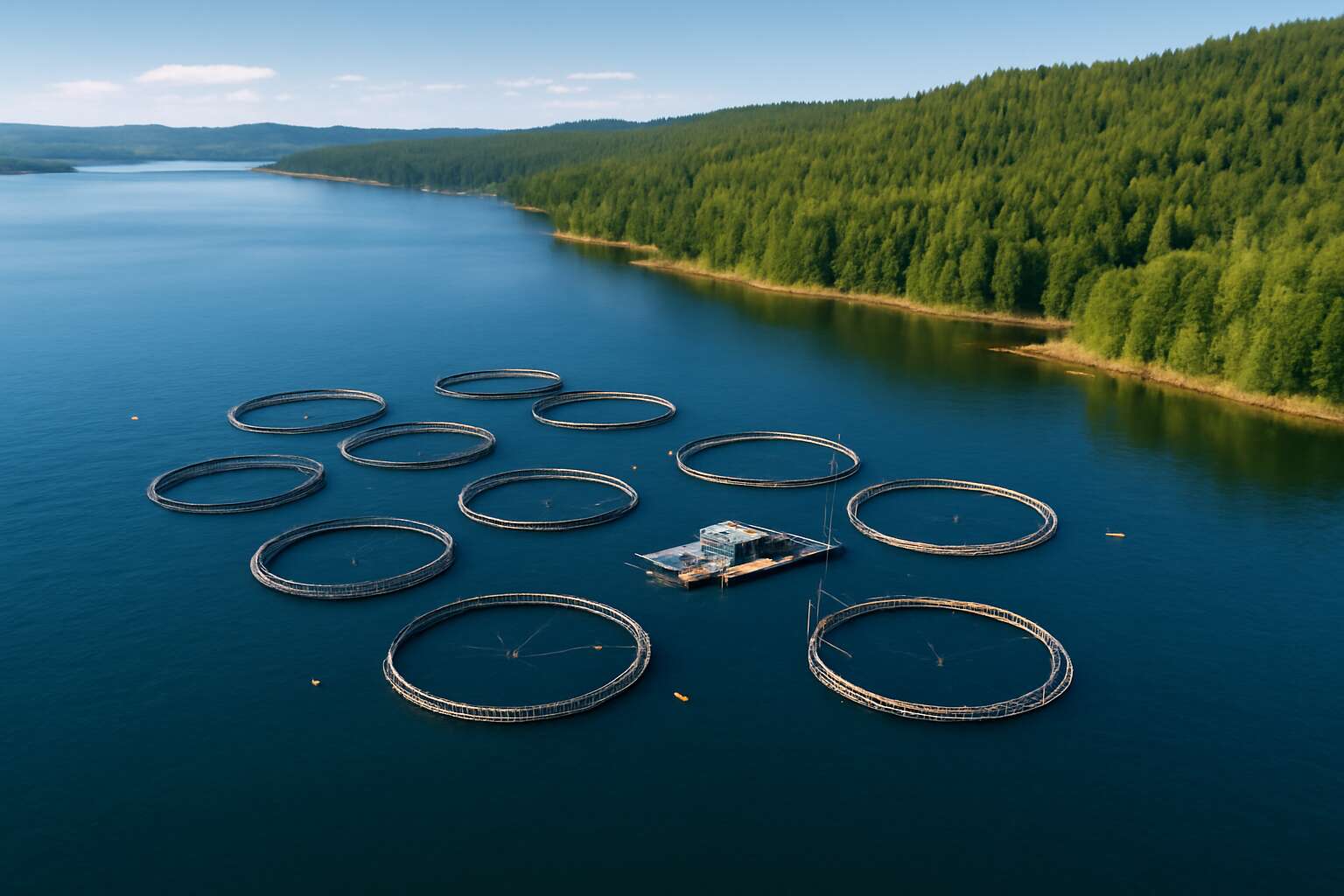
Quebec fish farming landscape and industry outline
Overview of fish farming in Quebec
Quebec’s fish farming landscape is a quiet powerhouse that stirs with seasonal rhythms along the St. Lawrence and its tributaries, where frost-kissed mornings meet ambitious nets. fish farm quebec has become a banner of resilience and ingenuity, a story South African audiences might compare to temperate-water farming at scale.
Dominated by Atlantic salmon and rainbow trout, the province balances open-water pens with emerging land-based facilities. Key drivers include stringent biosecurity, ongoing R&D from universities, and cooperative supply chains.
- Cold-water resilience and nutrient management
- Biosecurity and disease surveillance
- Public-private partnerships and co-ops
- Export-oriented processing and traceability
Geography shapes the landscape: fjord-like bays along the lower St. Lawrence, and inland bays in Saguenay-Lac-Saint-Jean, support a workforce of families and seasonal specialists. The sector nudges rural economies toward sustainable growth while maintaining sea-to-table traditions.
Species cultivated in Quebec
“Every season writes a different chapter,” a Saguenay veteran says, and the truth lands like frost on the quay. In Quebec, fish farming is a quiet powerhouse where the St. Lawrence’s cold embrace meets ambitious nets and meticulous biosecurity. The label fish farm quebec signals resilience and a steady dialogue between small-town life and global markets.
- Arctic char
- Brook trout
- Experimental cold-water stocks
Geography and people shape a workforce of families and seasonal specialists, from fjord-like bays to inland basins. Public-private partnerships, university R&D, and traceable processing steer seafood toward export markets while keeping a humane respect for water and local communities. For readers in South Africa, the Quebec model reads as a tempered blueprint for scale and stewardship.
Regulatory and sustainability framework
In Quebec, the river’s breath scripts the fate of fish farming. “Every season writes a different chapter,” a Saguenay veteran murmurs, and the numbers that follow feel like frost on the quay—netting, water chemistry, and patient choreography of fish and keepers. The label fish farm quebec signals resilience and a culture of meticulous care aimed at steady, export-ready seafood.
- Licensing and zoning aligned with riverine ecosystems
- Robust biosecurity and disease surveillance
- Waste, effluent, and habitat monitoring
- Traceability, reporting, and supply chain integrity
From fjord-like bays to inland basins, Quebec’s industry builds on partnerships and university R&D, weaving humane water stewardship into every harvest. Regulators and operators collaborate to ensure environmental performance, worker safety, and transparent markets, all while keeping communities at the heart of the supply chain. For readers in South Africa, the model reads as a tempered blueprint for scale and momentum.
Economic impact and markets for Quebec aquaculture
Quebec’s aquaculture landscape unfurls like a tended estuary—where research collaborations meet water-tested wisdom and coastal towns gain steady work. The fish farm quebec ecosystem thrives through partnerships with universities, hatcheries, and processors, turning cool-water fish into reliable exports and fresh meals. Markets reach from provincial shelves to international ports, guided by high standards that build trust along the supply chain. A culture of humane stewardship steers each harvest.
Beyond the dock, the economic footprint rests on a layered value chain: hatcheries, feed mills, processing facilities, and logistics that deliver export-ready seafood to US and Europe. The market outlook rests on three pillars:
- Export markets in North America and Europe
- Domestic processing and value-added products
- Strong branding and premium pricing through quality certifications
This living engine of Quebec aquaculture is resilient, research-informed, and ready for the next tide.


0 Comments