Aquaculture is the farming of: An SEO outline
What aquaculture is and why it matters
Across South Africa, seafood demand outstrips local supply, and imports fill the gap. Consider the framing: “aquaculture is the farming of”—a simple line that anchors a long, intricate practice in practical terms.
Aquaculture is the farming of aquatic organisms under controlled conditions, from fish to molluscs and crustaceans. It combines biology, engineering, and stewardship to turn water into productive habitat while safeguarding ecosystems. In South Africa, sustainable practices matter because water is precious and markets crave traceability. We learn that each tank and each tide tells a story of balance.
- site selection and water quality
- feeding strategies that reduce waste
- disease management and biosecurity
For communities along the coast and inland rivers, aquaculture offers reliable employment, local supply, and enduring export potential, all woven into our coastal economy and food security.
Different types and systems of aquaculture
Seafood demand is outstripping supply in South Africa, and aquaculture is quietly shaping the answer. aquaculture is the farming of life in water, from fish to molluscs and crustaceans, under controlled conditions, blending biology, engineering and stewardship.
There are several paths: ponds, open-water cages, recirculating systems, and integrated multi-trophic setups. Here are a few common models:
- Pond-based farming for carp or tilapia in warmer regions
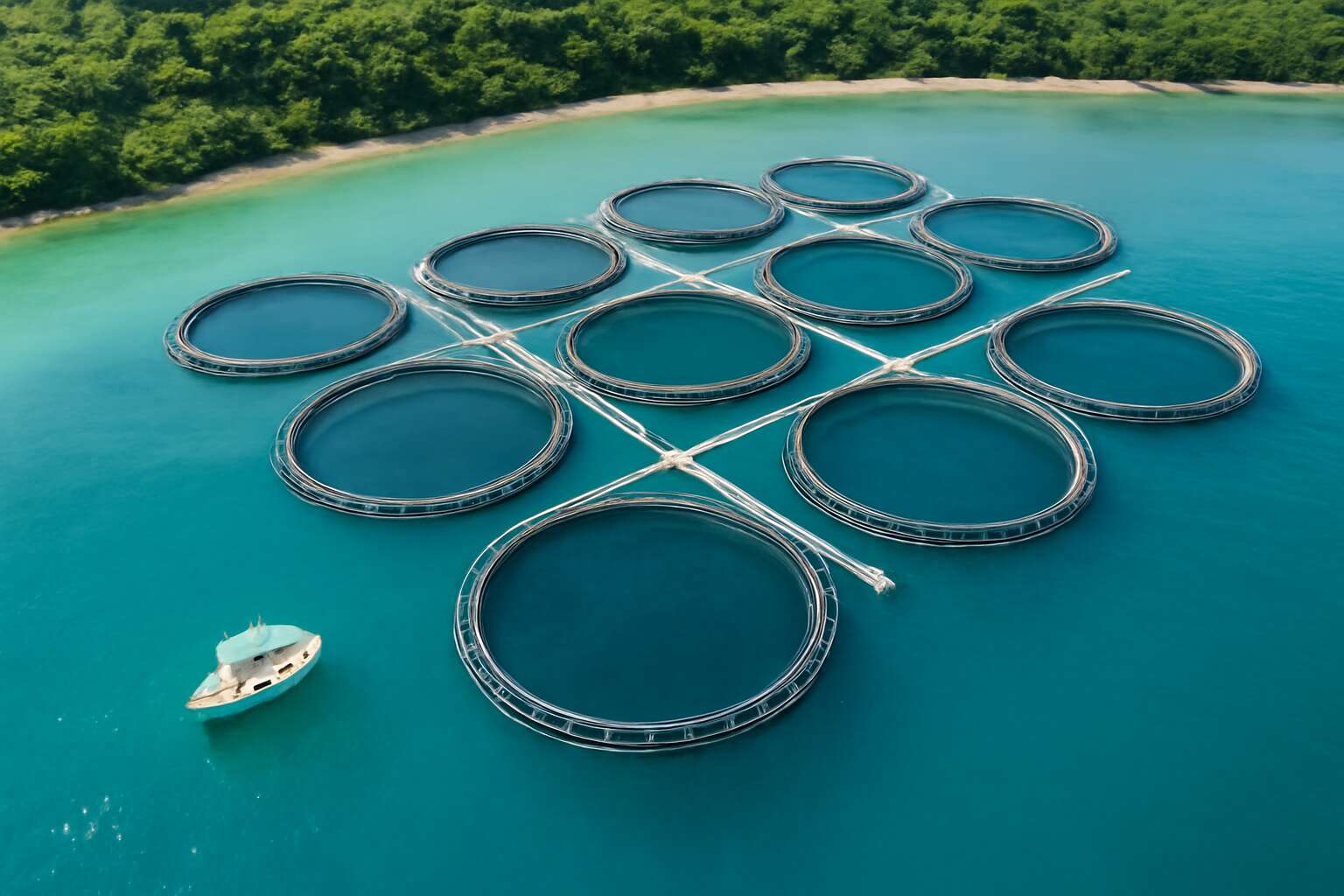
- Open-water cage systems near the coast for sea bass and mussels
- Recirculating Aquaculture Systems (RAS) in inland facilities
- Integrated multi-trophic aquaculture (IMTA) pairing fish with shellfish or algae
In South Africa, success hinges on site selection and water quality—tidal flow, salinity, and temperature shape growth. Feeding strategies that reduce waste protect ecosystems, while robust disease management and biosecurity guard the supply chain.
For coastal communities and inland towns, aquaculture offers steady jobs, local supply, and export potential, woven into our economy and food security. That matters! The sector is powered by careful stewardship: clean water, traceable practices, and responsible waste handling.
Environmental and sustainability considerations
Across South Africa, seafood demand outstrips supply by about 30%, and aquaculture is the farming of life in water that turns looming gaps into tangible meals. This quiet revolution blends biology with careful engineering, inviting coastal towns and inland communities to imagine healthier economies and steadier diets.
Environmental and sustainability considerations guide every phase—from water quality and temperature to feed efficiency and waste handling. Site selection matters, and robust biosecurity guards supply chains against disease. Smart systems monitor in real time, reducing ecological footprints while improving resilience amid climate shifts.
- Water quality and flow monitoring
- Responsible, efficient feed practices
- Waste treatment and resource recovery
- Traceability and transparent reporting
Throughout, stewardship turns potential into lasting prosperity for communities, ecosystems, and markets alike!
Economic and market aspects of aquaculture
Across South Africa, seafood demand continues to outpace supply by an estimated 28%, reshaping rural and coastal economies. aquaculture is the farming of resilience, turning uncertain yields into dependable livelihoods. It stitches science to commerce—farms that thrive in local waters and feed communities far beyond them. When a village can rely on a weekly harvest, families stabilize budgets, kids stay in school, and neighbours explore new trades. The quiet growth of aquaculture feels like a practical revolution you can taste at the dinner table.
On the market side, profitability hinges on efficient production, stable feed costs, and a transparent supply chain. Domestic demand, expanding supermarkets, and export opportunities to the SADC region push prices upward and invite investment. Regions with strong processing facilities create value-add, create jobs, and diversify income beyond fisheries. The right policy mix helps smallholders scale, while risk management—biosecurity, water rights, and climate adaptation—keeps farms viable.
Future trends and innovations in aquaculture
In South Africa, aquaculture is the farming of opportunity—turning uncertain yields into stable livelihoods for coastal communities and rural towns alike. New capital, better biosecurity, and data-driven management are shifting the playing field. The coming years will tilt toward resilience, local ownership, and transparent supply chains. That matters!
Future trends and innovations in aquaculture include:
- Recirculating aquaculture systems (RAS) for clean water reuse
- Smart feeding with sensors and analytics to cut waste
- Biosecurity upgrades and rapid disease detection
- Local, sustainable feeds and circular economy practices
- Digital traceability from hatchery to harvest
These advances align with South Africa’s rural economies and regional markets in the SADC basin, signaling a more resilient, transparent, and productive path for the sector’s growth and ability to feed communities.

0 Comments