Farm-Raised Fish Fundamentals
What defines farm-raised fish
Around the world, farm-raised fish now fuel nearly 60% of global seafood production. In South Africa, the shift toward controlled aquaculture is underscoring steady supply, consistent quality, and price stability. Farm-Raised Fish Fundamentals matter because people want reliable fish without mystery. So, can fish be farm raised? The short answer is yes—when done with precision, clean water, and a dash of responsibility!
- Water quality control and recirculating systems
- Nutritious, efficient feeds tuned to growth
- Tracking, transparency, and welfare standards
These pillars shape flavor and texture from hatchery to plate, aligning with South African tastes and regulatory expectations. When done well, farm-raised fish offer traceable provenance, steadier supply, and a cleaner footprint for chefs, retailers, and households.
Common species raised worldwide
Global aquaculture now accounts for roughly 60% of all seafood, a statistic that makes even the most stoic prawn soprano nod in agreement. The question can fish be farm raised? is answered with a confident yes—when water stays clean, feeds are tuned to growth, and oversight keeps appetite for quality intact. From hatchery to plate, precision and transparency shape every bite.
Common species raised worldwide include:
- Atlantic salmon
- Tilapia
- Rainbow trout
- Carp
In South Africa, coastal farms and inland systems offer steady options, with tilapia and trout proving particularly adaptable to local regulations and markets. Farmers combine robust water management with modern feeds to keep flavor bright and texture consistent, making farm-raised fish a reliable staple rather than a mystery.
Raising environments: ponds, cages, and land-based systems
Across South Africa’s coastal winds and inland reservoirs, the aquaculture story grows brighter: global seafood now comes from farmed systems for about 60% of what we eat, a statistic that shimmers like sunrise on the water. The question can fish be farm raised? The answer is firm: yes—when water stays clean, feeds are tuned to growth, and vigilant oversight guards quality from hatchery to plate. I see the future in clear water!
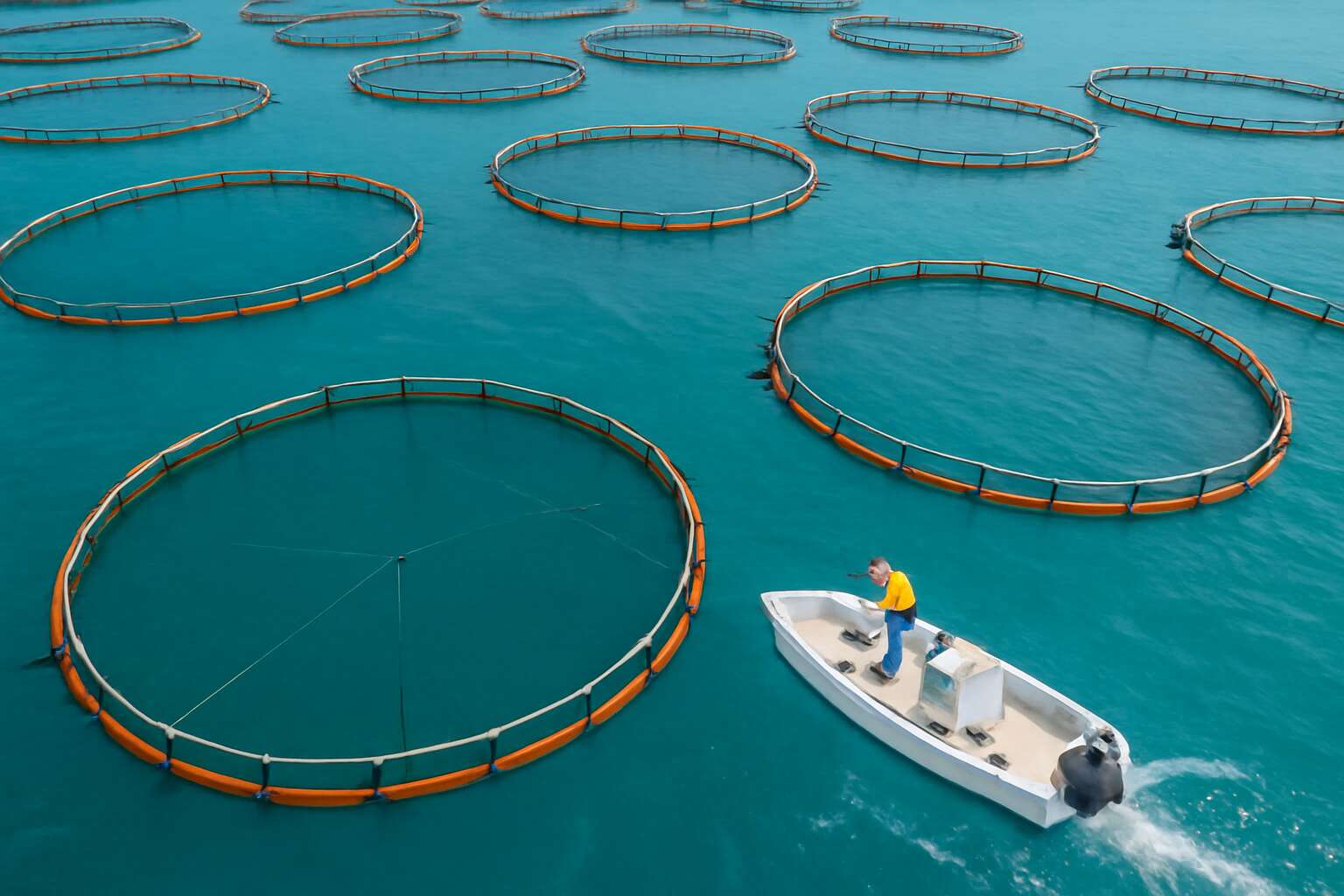
Raising environments form the backbone of reliability and flavor. From quiet, sun-warmed ponds to sea cages that brace the shoreline, and from energy-smart land-based farms to compact recirculating systems, each setting writes a different chapter of health and texture.
- Ponds: carefully managed depth, mild aeration, and natural biofilters that mirror a gentle river bend.
- Cages: sea-adjacent enclosures with secure moorings, predator protection, and measured exchange of water.
- Land-based systems: closed-loop filtration, precise temperature control, and strict biosecurity to keep flavor pristine.
Lifecycle and farming stages
Across South Africa’s rugged coastline and inland reservoirs, the seafood story glows brighter than a sunrise on the water. About 60% of what people eat now comes from farmed systems, a statistic that reshapes trust and taste. The question that lingers in the salt air is: can fish be farm raised? The answer is resolute: yes—when water stays clean, feeds are tuned to growth, and vigilant oversight guards quality from hatchery to plate.
Raising stages unfold like careful chapters, where control and patience shape texture and resilience.
- Hatchery and breeding
- Nursery and fingerling development
- Grow-out with optimized feeding
- Harvest, handling, and packing
In South Africa, these cycles bend to wind and shore, forging reliable supply chains that pair flavor with responsibility. The ethic behind every harvest is quiet and enduring—a promise tasted as the sun lifts over the water.
Quality and safety basics
Across South Africa, farmed seafood sits on plates with a steady rhythm, and globally, roughly half of seafood consumed comes from controlled systems. The question remains: can fish be farm raised, and the answer is a confident yes—when water stays clean, feeds are tuned to growth, and vigilant oversight guards quality from hatchery to plate.
Fundamentals of quality begin at water: stable temperature, dissolved oxygen, and filtration that keeps toxins at bay.
- Water quality monitoring with real-time sensors
- Controlled feeding and growth tracking
- Strict biosecurity and quarantine measures
Safety hinges on traceability, clean handling, and rigorous testing. Feeds must be safe, pathogens minimized, and certified procedures—HACCP, GMP, and independent audits—binding hatchery to plate.
In South Africa, these standards underpin reliable supply chains, pairing flavor with responsibility and a quiet promise that every harvest respects the water that nourishes it. We steward every harvest.
Benefits and Drawbacks of Farm-Raised Fish
Nutritional advantages and potential contaminants
Globally, farmed fish now account for more than half of all seafood consumed, and South Africa is keen to keep pace. This raises the question: can fish be farm raised, and still deliver flavor and nutrition? When water is clean, feed is right for the species, and health checks are rigorous, the answer is yes!
- Steady EPA/DHA levels from formulated feeds
- Predictable vitamin content across batches
Nutrition-wise, controlled feeds deliver steadier EPA and DHA and more predictable vitamin content. For readers in SA, that translates to reliable dinner plates and transparent labels. That consistency supports healthier, everyday meals.
Drawbacks include possible contaminants and residues traced to feed or water; antibiotics and pesticides are tightly regulated, yet vigilance remains essential. In SA, rigorous surveillance helps keep risk in check while protecting consumer trust.
Environmental implications and resource use
Across oceans and farms, more than half of the world’s seafood now comes from aquaculture; in South Africa, the appetite for farmed fish swells with the tide. So, can fish be farm raised and still deliver flavor, nutrition, and stewardship?
When water stays clean, nutrients align with species needs, and checks are thorough, farmed fish emerge with steady EPA/DHA and consistent vitamin profiles.
- Lower pressure on wild stocks
- Predictable nutrient content and supply chain transparency
- Efficient feed use and potential for reduced water footprint in modern systems
Yet environmental trade-offs exist: nutrient-rich effluent, energy-demanding systems, and disease or parasite pressure requiring vigilant biosecurity.
In South Africa’s coastal farms, careful design—from recirculating systems to shoreline stewardship—and transparent labeling help harmonize bounty with responsibility.
Animal welfare considerations
Farm-raised fish can deliver steady flavor and reliable nutrition when water stays clean and checks are thorough. So, can fish be farm raised and still meet welfare goals? Well-designed systems reduce fish stress, improve humane handling, and make supply chains more transparent, while targeted feeding helps curb waste and maintain consistent quality. That’s a win!
- Better welfare outcomes through humane handling and reduced crowding
- Clear labeling and traceability strengthens consumer trust
- Targeted feeds and monitoring can lower water and energy use
Drawbacks include nutrient-rich effluent, energy demands, and disease pressure that tests biosecurity, requiring vigilant welfare oversight. In South Africa’s coastal farms, design choices—from recirculating systems to shorefront stewardship—must balance growth with humane practices and transparent labeling to earn public confidence.
Economic factors for producers and consumers
In South Africa, can fish be farm raised and still deliver on margins and welfare? The economics hinge on efficiency, demand, and disciplined biosecurity. Farmed fish offer producers steadier yields and longer planning horizons, while consumers benefit from consistent quality and supply. A seasoned manager notes: when systems are well-run, price volatility eases and shelves stay stocked, even in lean seasons.
- Steady production and forecastable costs attract investment and financing
- Transparent labeling and traceability open access to premium markets
- Targeted feeding and better waste control can lower energy and water footprints
Drawbacks creep in as costs mount—feed prices swing, energy demand climbs, and disease risks tighten margins. Each farm faces biosecurity audits, water treatment, and waste management that can erode profits if unchecked. Still, with careful budgeting and transparent labeling to reassure buyers, the economic case for farm-raised fish stays compelling.
Sustainable Practices in Aquaculture
Water management and effluent treatment
Globally, aquaculture now supplies about half of all seafood, and in water-scarce South Africa, principled water management is non-negotiable. Sustainable practices start with water reuse, tight monitoring, and intelligent design that respects local ecosystems.
On-farm systems optimize water with recirculating setups, aeration, and sensors that track pH, ammonia, and oxygen in real time, reducing withdrawals while sustaining fish welfare.
- Closed-loop processes cut water losses and improve biosecurity
- On-site treatment and nutrient recovery protect rivers and wetlands
- Regulatory-compliant discharge and transparent reporting safeguard ecosystems
Effluent treatment relies on biofilters, constructed wetlands, and careful sediment management, turning waste streams into instruments of stewardship. When asked, can fish be farm raised, the answer is not just biology; it is a culture of responsibility that aligns growth with the health of communities and landscapes.
Disease control and biosecurity
Half of all seafood comes from aquaculture, a stat that glitters as brightly as the South African coastline! In this burgeoning arena, can fish be farm raised? The answer rests on disease control and a steadfast biosecurity ethic that shields communities, stock, and streams alike.
Biosecurity is a living discipline—layered, humane, and locally attuned. It is the quiet guardian of farms, guiding everything from quarantine practices and health surveillance to sanitation of gear and controlled access.
- Quarantine concepts and health surveillance to spot trouble early
- Sanitation of gear, water lines, and input materials
- Restricted access and biosecure infrastructure to limit risk
- Disease risk assessment and vaccination programs where available
- Transparent record-keeping and traceability to defend rivers and markets
Together, these measures let South African aquaculture thrive with grace, ensuring seafood that respects people, planet, and the pulse of the sea.
Feed sourcing and feed efficiency
Half of all seafood comes from aquaculture, a growth story shaping South Africa’s coast with disciplined care. When asked can fish be farm raised, the answer rests on how feed is sourced and how efficiently it translates meals into muscle.
Sustainable feed sourcing starts with ingredients that respect ecosystems and communities; can fish be farm raised in a sustainable system.
- Traceable, responsibly sourced ingredients that minimize ecological footprint
- Reduced reliance on wild inputs through plant-based, microbial, or insect proteins
- Independent audits and lifecycle thinking to guide procurement
Where and how ingredients are grown matters, and traceability keeps shadows at bay.
Smarter, leaner feeding boosts performance and stewardship—optimized formulations, sensor dosing, timed feeds, and a whisper from the coast guiding the tank.
Can fish be farm raised? The answer is yes—when every bite is backed by responsible sourcing and efficient feeding that respects South Africa’s rivers.
Certification and standards (MSC, ASC, BAP)
Last year, farmed seafood surpassed wild catch in weight, and certification acts as a lighthouse for this surge. Across South Africa’s coast, can fish be farm raised is answered by rigorous standards—MSC, ASC, and BAP—that map care from hatchery to harvest and uphold independent audits. These frameworks elevate water health, habitat protection, and responsible feed, turning ambition into verifiable practice!
- MSC: ecosystem health and traceability across seafood supply chains
- ASC: farm-level criteria on water quality, welfare, and responsible sourcing
- BAP: comprehensive audits on feed, disease control, and environmental stewardship
Together, they compress decades of learning into a passport for responsible farming.
For South Africans, certification is a compass—trust earned through audits, transparent reporting, and ongoing improvement. can fish be farm raised? The answer arrives when farms meet ASC, MSC, and BAP standards, delivering traceable, responsible seafood that honors our rivers and communities.
Technology innovations in farming systems
Technology isn’t just gadgets at the edge of a pen; it’s reshaping how we grow fish. Modern farming blends sensors, automated feeders, and closed-loop water cycles to boost health and reduce waste. The result is tighter control over every stage of farming!
Emerging aquaculture technologies include:
- Recirculating aquaculture systems (RAS) for tighter water control
- Biofloc technology that recycles nutrients
- Integrated multi-trophic aquaculture (IMTA) for waste valorisation
- Automated feeding and AI-based monitoring for efficiency
These innovations boost water reuse, energy efficiency, and biosecurity without sacrificing stock health. can fish be farm raised becomes a practical question of system design and oversight.
In South Africa, these tech-forward farms align with local climates and certification goals.
Choosing Farm-Raised Fish in Your Diet
Reading labels and certifications
If you’ve ever wondered can fish be farm raised, the answer often hides in what the label reveals. Across South Africa’s markets, label transparency is climbing, and consumers are starting to see more than price—origin, farming method, and processing details shape trust at a glance.
Reading labels and seeking credible marks goes beyond taste. Reliable indicators, while not uniform, tend to emphasize traceability and safety without hype, helping you compare products across retailers and seasons with confidence.
- Origin and farming region
- Processing and freshness details
- Traceability across the supply chain
Within this framework, labels anchor choices in reality rather than rumor, inviting curiosity about where and how the fish was raised.
Species to consider for sustainability and affordability
In coastal kitchens across South Africa, the daily question centers on value and virtue: “can fish be farm raised”. A pulse from SA markets shows more than 60% of shoppers weigh origin and farming method alongside price. The label, the taste, the story—these threads knit trust at the table.
Choosing farm-raised options means weighing sustainability and cost against flavor. Consider species that balance robust feeding efficiency with local availability:
- Tilapia
- Rainbow Trout
- Atlantic Salmon
These choices can fit weeknight meals and family gatherings alike, offering steady supply and familiar textures. Across farms and markets, the heart of choosing is honesty—where the plate meets the story of feed, water, and care.
Cooking tips and handling to preserve quality
In South Africa’s kitchens, the question of farm-raising is daily, intertwining value with virtue. Shoppers weigh origin and farming method as keenly as price, and the plate benefits from that honesty.
- Controlled thawing preserves texture and freshness.
- Gentle preparation supports a crisp exterior and moist interior.
- Mindful cooking sustains delicate flavors from farm-raised fish.
Choose firm fillets and cook with restraint—a hot pan for a quick sear or a gentle bake preserves texture. I like a finish of lemon, olive oil, and herbs; the dialogue between farm-raising and flavor should feel seamless on the table, not preachy! “can fish be farm raised” is a question we answer with careful handling.
Impact on local fisheries and markets
In South African kitchens, origin and method shadow the plate. A telling whisper travels from fishmongers to family tables: can fish be farm raised? The answer is not a verdict but a dialogue etched in taste and transparency, a lantern in velvet dusk! Farm-raised options stabilize supply and support local producers, letting evenings carry a steadier harvest.
As South Africa’s markets gaze toward the horizon, choosing farm-raised fish can impact local fisheries and markets in specific ways. It can stabilize supply, support farmers, and guide consumer demand toward traceable sourcing.
- Stabilised supply and price resilience for local retailers
- Jobs and community investment in coastal towns
- Incentives for responsible farming practices and water stewardship
In the open market, the conversation remains about quality and flavor—farm-raised or not—while the plate carries stories of origin far beyond the kitchen door.

0 Comments