Environmental impacts and resource use
Water pollution and waste management
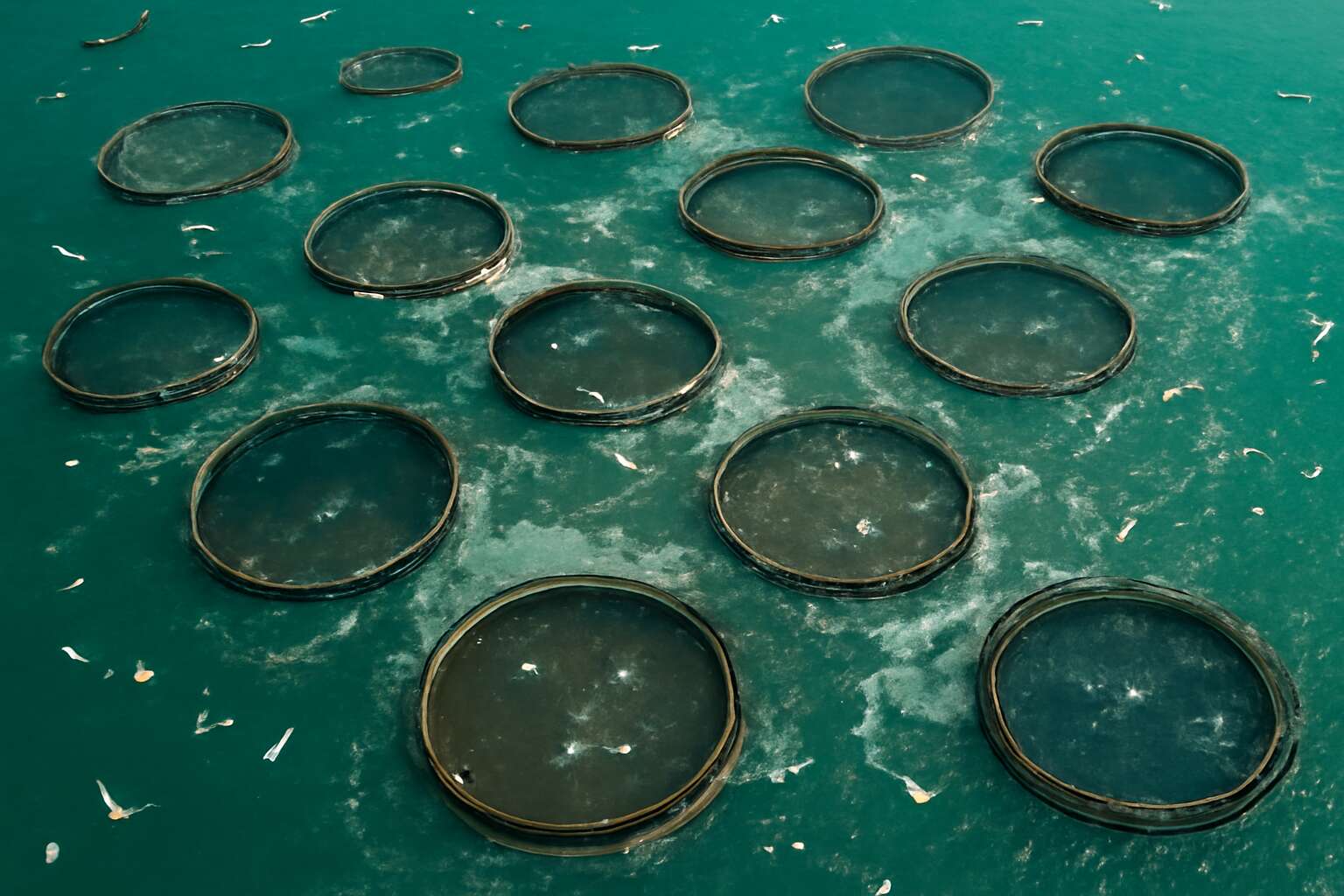
Across the globe, more than half of the seafood we eat now comes from aquaculture. That surge in production carries a hidden price tag: environmental stress on coastlines and inland waters. It’s easy to celebrate protein on demand, but the question persists in policy circles: why aquaculture is bad.
Water pollution and waste management are the dirty fingerprints of many farms. Uneaten feed, fish waste, and chemical use can overwhelm local streams and estuaries.
- Uneaten feed and fish waste fuel algal blooms and oxygen depletion
- Antibiotics and chemicals entering waterways
- Escapees that mix with wild stocks and spread disease
Resource use and sustainability are another snag. Aquaculture can be thirsty for freshwater and energy, and it demands land and feed that often pressure ecological balance. In South Africa, water scarcity and fragile ecosystems make these trade-offs particularly acute, turning production goals into a water- and biodiversity-costly balancing act.
Feed inputs and resource intensity
Flooded promises meet a heavy meter: producing a kilo of farmed fish can gulp hundreds of liters of water. The fish-farm boom has a bigger feed bill behind every bite. The hidden costs show up in land use and feed dependence—the stuff that makes aquaculture so thirsty. In the South African context, water scarcity makes these trade-offs even starker.
- Feed inputs drive resource intensity
- Energy and water use climb with production
- Land and biodiversity pressures loom
I’ve watched farms stretch toward fragile ecosystems, chasing growth while resilience falters—and that’s at the heart of why aquaculture is bad.
Disease risk and antibiotic use in farming
In South Africa, fish farms look like growth stories, but the ecological ledger runs long. This is part of why “why aquaculture is bad” resonates with environmental voices.
Environmental impacts run deeper than shorelines; escaped stock crash the local party with wild populations, blurring genetic lines and undermining resilience. Waste alters estuarine pockets, changing sediment chemistry and local biodiversity.
Disease risk climbs with density, and antibiotics drift into the water and the food chain. In SA, this fuels antibiotic resistance, residues in seafood, and spillover to wildlife. Regulators debate risk while farmers chase volume—the plot thickens.
Habitat loss and coastal ecosystem modification
The coast wears a ledger of life, and its pages are turning faster where farms press in! In South Africa, estuaries once braided with tidal channels now carry nets and pens that crowd the shoreline. Escaped stock drift through wild populations, blurring genetic lines and unsettling resilience. The habitat itself mutates: mangroves retreat from shoreline modification, and seagrass beds thin as traffic of gear and waste reshapes the seabed.
This is part of why ‘why aquaculture is bad’ resonates among coastal stewards, a reminder that environmental integrity cannot be traded for volume alone. The changes feed back through fisheries and tourism; biodiversity declines, and the coast grows thinner as life is displaced.
- habitat loss from shoreline modification and mangrove clearance
- altered sediment dynamics and water flow
- disruption of native species migrations and breeding grounds
Biodiversity and ecosystem concerns
Escapees and genetic impact on wild populations
Coastal biodiversity in South Africa depends on a quiet, stubborn balance. When containment fails and farmed stock escapes, wild populations inherit unfamiliar genes that may outcompete or dilute local adaptations. The result is a less resilient ecosystem, especially in estuaries and sheltered bays where sensitive communities cling to a fragile equilibrium.
- Genetic dilution of local populations
- Disrupted niche roles and altered predator–prey dynamics
- Unintended crossbreeding with wild relatives
This is where the question of why aquaculture is bad becomes concrete. Escapees can shift the balance of coastal communities, eroding the distinctive lineages that sustain fisheries and ecotourism. The robustness of South Africa’s coast depends on keeping wild gene pools intact.
Invasive species and pathogen transfer risks
Coastal biodiversity is the quiet engine of resilience along South Africa’s shores. A single disturbance can ripple through estuaries and sheltered bays where delicate communities cling to balance. ‘Biodiversity is the quiet engine of resilience,’ researchers remind us, underscoring how small shifts carry outsized consequences for fisheries and ecotourism!
Invasive species and pathogen transfer pose a tangible threat: non-native organisms clinging to farmed stock, gear, and water exchange can upset local niches and drain resilience.
- Non-native species hitchhiking on farmed stock can outcompete locals and erode adaptations.
- Pathogens and parasites may move from farmed populations into wild relatives, compromising health.
- Vectors like boats, nets, and water intakes accelerate cross-coast dispersal and introduction.
This all circles back to why aquaculture is bad.
Impacts on local biodiversity and food webs
Coastal ecosystems in South Africa pulse with life, and estuaries act as the nursery for many species. A striking 60% of the region’s coastal fish harvests rely on these wetlands, a reminder that resilience rides on balance across sand, reed, and tide.
When aquaculture intrudes, energy flows shift. Farmed enclosures harvest more than feed; they siphon forage from wild stocks and reshape predator–prey balances. The delicate web—small planktivores feeding larger predators, nutrient cycles dancing with tides—can tilt toward simplicity.
Here are some subtle, real-world disruptions:
- Displacement of native species and loss of niche diversity.
- Altered energy pathways that energize invasive processes.
- Increased vulnerability to disease and parasites via spillover.
In SA’s bays and estuaries, the chain of life is delicate; a single change to the food web nudges entire fisheries and ecotourism toward uncertain shores. This is a quiet reminder of why aquaculture is bad.
Coral reefs and mangroves alteration from farming sites
Along South Africa’s coast, coral reefs shimmer with resilience, and mangroves cradle nurseries where small fish shelter. When aquaculture sites edge too close, silt, anchor chains, and shade disrupt light and currents, nudging these ecosystems toward vulnerability. I’ve seen once-vivid reefs dull and mangrove roots slow-breathe under a blanket of sediment, a reminder that coastal life is fragile and fiercely interconnected.
- Silt and turbidity block light on reef slopes, stressing corals
- Root and root-zone disturbance dull mangrove complexity
- Shaped water flows disrupt nursery habitats for many species
This is a clear reminder why aquaculture is bad. Behind the glittering cages lie quiet losses for seabed dwellers and coastal livelihoods.
Economic and social considerations
Effects on small-scale fishers and market competition
From Cape Town’s docks to KwaZulu-Natal’s beaches, coastal livelihoods lean on small-scale fishers. A veteran fisher once said, ‘the sea feeds a village when the market lets it.’ This is part of why ‘why aquaculture is bad’ rings through the debate—industrial siting can redraw the local economy and squeeze out small players.
These economic shifts hit the people who fish for a living: tighter credit, higher gear costs, and less control over prices as megafarms dominate contracts and channels.
- Credit access and capitalization pressures constrain artisanal fleets.
- Market power concentrates with large farms, narrowing buyer options for locals.
Along South Africa’s coast, the social cost isn’t just money; it’s culture, nourishment, and apprenticeships fading as markets favor scale.
Economic viability and price volatility
Along South Africa’s wind-kissed coasts, profits in aquaculture ride on feed costs, capital access, and the jagged rhythm of world markets. Up to 40% price swings tied to funding and inputs are not rare—that’s part of why ‘why aquaculture is bad’ keeps surfacing, as megafarms lock in contracts and push local influence offshore.
- Capital outlays and debt shape who can fish where
- Contract power concentrates buyers with large farms
- Input costs volatility drives price swings for communities
I’ve watched crews tighten belts as gear costs rise and credit doors stay shut. A sudden price dip can haunt households, nudging youths away from the harbor’s ladders of apprenticeship. The social fabric—the meals, gatherings, and knowledge passed down—frays when markets favor scale over skill.
The economic outlook remains precarious, and the coast learns a hard lesson: scale can dominate when liquidity dries up for many communities.
Labor conditions and community impacts
Coastal livelihoods on South Africa’s fringed shores hinge on cycles of work, debt, and weather. A spike in feed prices can tighten belts from the quay to the kitchen table. That tension is part of why “why aquaculture is bad” surfaces in town meetings and coffee chats, as megafarms lock in contracts and push local voices offshore.
Labor conditions and community impacts unfold in plain terms:
- Precarious hours and short-term contracts that shift with harvests
- Limited safety training and protective gear, raising on-site risk
- Economic pull toward larger firms that skews local opportunities away from small fishers
The social fabric—the meals, gatherings, and apprenticeship stories—frays when markets reward scale over skill. This is not just a ledger of costs; it is the quiet erosion of places and people who once kept the harbor-town alive.
Policy and subsidy tradeoffs
Coastal budgets are stories too, and in South Africa they often read like weathered charts. Subsidies flow along lines of scale, nudging markets toward megafarms while small, skilled fishers drift in the wake. When the reef glints under a fickle sun, livelihoods hinge on policy as much as tide. That is at the heart of ‘why aquaculture is bad’ in town meetings—an argument that public funds reward size over skill, reshaping who can pull a living from the sea.
- Subsidies favor large operations, eroding local know-how and market access for small fishers.
- Liability and risk-sharing schemes can push environmental costs onto communities if mishandled.
- Public-private deals may create dependence on a few firms, narrowing choice and bargaining power.
Animal welfare and consumer trust
Welfare standards and farming conditions
In the glare of modern dining, animal welfare sits at the hinge of consumer trust. The question why aquaculture is bad lingers when overcrowded pens and rough handling become public conversation. In South Africa’s markets, shoppers seek transparency: humane stocking densities, gentle handling, and visible care that honors life as much as appetite.
- Enriched, spacious habitats with sensible stocking density
- Regular veterinary oversight, low-stress handling, and humane slaughter practices
- Independent welfare auditing and clear, honest labeling
When welfare standards rise, trust follows—markets reward farms that show humane farming conditions and steady, verifiable care. The beauty of responsible farming is not just ethics; it strengthens a sustainable narrative for communities and fisheries alike.
Transparency and labeling for consumers
In South Africa, a growing 62% of shoppers say transparency on labels shapes trust more than glossy ads. That hunger places animal welfare and humane sourcing at the center of the dining debate—especially when people ask why aquaculture is bad. Consumers want to know the life behind their plate, not just the price, the harvest date, or the origin. That clarity changes how farms are judged, because care in pens becomes care on plates—it’s personal!
Transparency also means labeling you can trust. Here are ways to fuse care with credibility:
- Public welfare dashboards linked to product labels
- QR codes with audit data and site-by-site practices
- Clear origin stories and age verification for stock
When labeling carries real data and visible care, trust strengthens markets and communities.
Certification credibility and enforcement
Across South Africa, 62% of shoppers say labels, not glossy ads, shape trust. That hunger surrounds a thorny question: why aquaculture is bad. Consumers want the life behind their plate—the conditions, the care, the safeguards—not just price or origin. When a farm’s stories stay opaque, suspicion grows, and so does the risk that brands pay the price for hidden harms. Clarity becomes leverage—turning rumors into verified realities.
Certification credibility and enforcement sit at the center of turning care into credible claims.
- Independent, verifiable audits by truly neutral bodies
- Transparent recall and remediation procedures
- Publicly accessible audit results and corrective actions
Without teeth in enforcement, labels ring hollow. Consumers deserve proof, not promises; credible certification translates into real welfare on the water and on the plate.




0 Comments