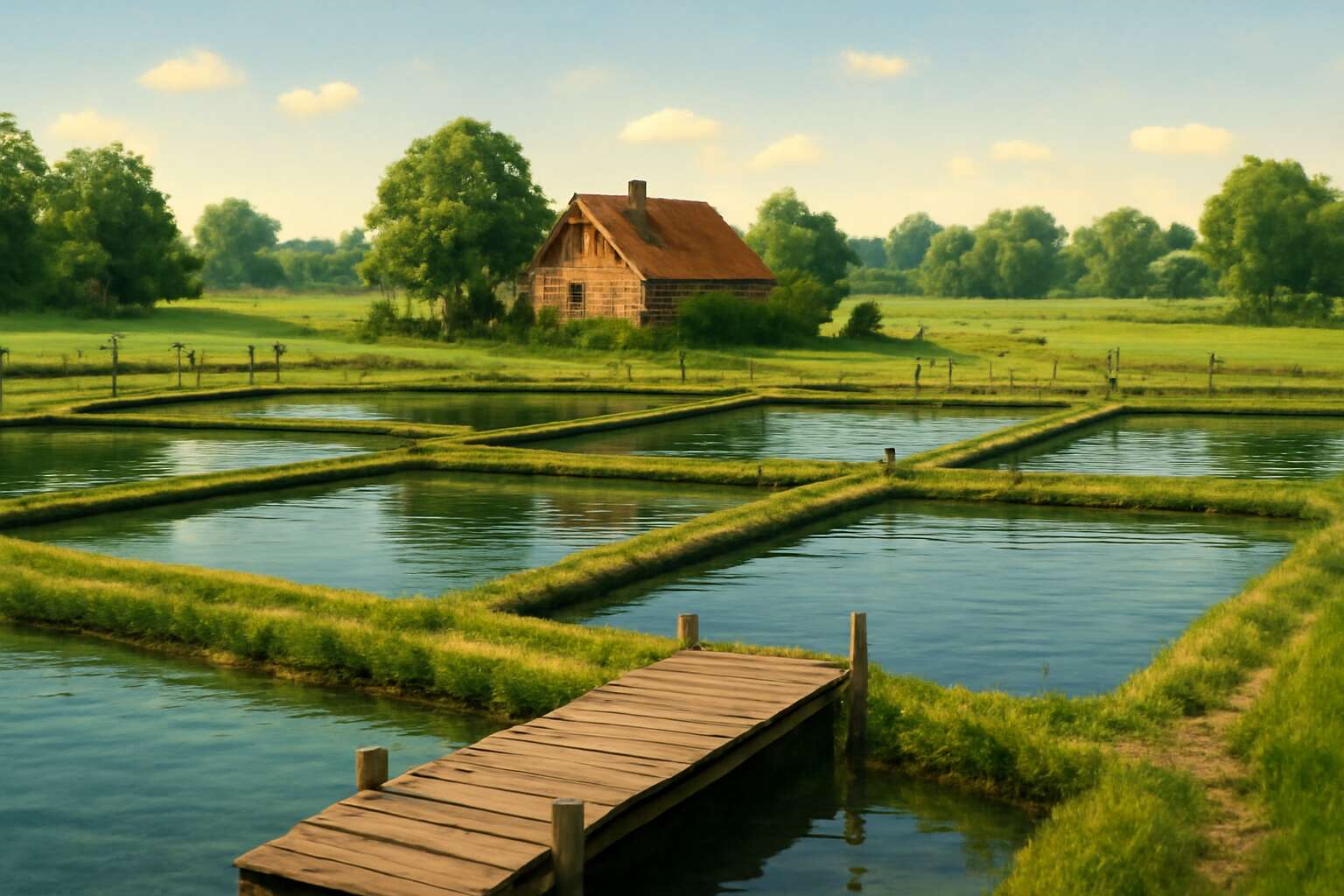
Home Fish Farming: A Practical Guide to a Modern Homestead
Understanding the home fish farming concept
Across rural South Africa, a fish farm homestead can deliver up to 25% more stable protein in family diets, a practical harvest that begins at a kitchen sink and ends on the table. The concept is simple: a small, well-tended water garden that mirrors the rhythm of the homestead—patient, steady, and hopeful.
Its charm lies in a modest design that fits a yard, a shed, and a fence line—using local resources and gentle routines.
- compact, modular tanks that fit courtyards and stoops
- simple filtration and water reuse that reduce waste
- low-energy aeration and natural biofilters that hum with life
In sun-washed mornings, the pond becomes a mirror for resilience, where neighbours share the harvest with stories that drift on warm air. This fish farm homestead is more than food; it is a small, enduring future.
Choosing the right species for beginners
Across rural South Africa, a fish farm homestead can deliver up to 25% more stable protein in family diets. The harvest begins at the kitchen sink and ends on the table—patient, practical, and a little defiant of drought. For beginners, the question isn’t whether to start, but which species will thrive in your yard’s sun and shade.
- Temperature tolerance and local climate compatibility
- Growth rate and feed efficiency for steady progress
- Market preference and ease of processing for home cooks
Among choice, tilapia and African catfish are reliable bets—robust, adaptable, and popular with local markets. Tilapia love warm, well-sheltered ponds and forgive a mismeasure of feed, while catfish can shrug off low oxygen and still pose for harvest photos.
Benefits of backyard aquaculture
Across rural South Africa, a fish farm homestead can turn a sun-warmed yard into a living pantry—providing steady protein and a touch of wonder. The concept blends water, sunlight, and patient care, delivering harvests that feel almost mythical in their reliability, even amid drought.
Beyond sustenance, backyard aquaculture breathes life into family routines and local markets. Consider these benefits:
- Year-round protein on the table
- Short, efficient supply chains from pond to plate
- Educational value for children and neighbours
With observant hands and simple yes-to-daily-watching, the fish farm homestead becomes a quiet beacon of resilience—an approachable, practical dream that stays humbly grounded in South African sun and soil.
Common setup models for home fish farms
Sunlight and water conspire to create a practical guide for a modern homestead. The fish farm homestead is a living pantry, a patient duet of pond, pump, and careful observation. In a quiet corner of the yard, tanks glimmer and nets whisper, turning routine into reliable harvests that feel almost mythic in their steadiness.
Common setup models for home fish farms invite flexibility and charm:
- Pond-based micro-ponds integrated into garden borders
- Modular above-ground tanks tucked under eaves or porches
- Recirculating systems (RAS) in compact, energy-efficient footprints
Each option plays with climate, space, and daily observation, letting families taste the quiet power of self-reliance. It’s a small revolution in a South African yard—water, warmth, and a patient heartbeat delivering dinner with a story, not a timetable!
Planning and Setup for a Backyard Aquaculture System
Assessing site and zoning considerations
‘The land gives generously to those who listen,’ my grandfather would say, and that listening is the first tool for a fish farm homestead. On a cool South African morning I study sun and shade across the yard, imagining how a careful site can turn droughts into reliably calm water, how a thoughtful layout guides the whole family toward nourishment and hope! Planning here feels like a quiet promise to the land and to our neighbors.
Assessing the site means weighing several forces as a single system.
- Sun exposure and microclimate across seasons
- Drainage, slope, and soil stability
- Water source reliability and filtration needs
- Setbacks, fencing, and proximity to utilities
Zoning considerations anchor the dream in reality: bylaws, land-use rules, and safety buffers remind us that patience is part of progress. In South Africa’s varied townships, suburbs, and smallholdings, these factors shape what is possible and help us protect the quiet rhythm of daily life. A thoughtful plan keeps every corner of the project respectful and hopeful.
Tank and pond design options
“Water is life,” my grandfather would say, and a backyard aquaculture system proves it daily. Planning and Setup for a Backyard Aquaculture System begin with listening to sun and shade, slope and breeze, and the stubborn dignity of soil. We map drainage, water sources, and microclimates as one living circuit. A well-kitted fish farm homestead grows not from impulse but from a quiet promise to the land and to neighbours who share the dawn.
- Above-ground, food-grade tanks for quick setup and easy access to filtration and maintenance.
- Sunken or shallow ponds with gentle slopes, gravity flow, and sheltered margins for plants and fry.
- Hybrid recirculating systems that pair a compact biofilter with a solar-powered pump for steady turnover.
With layout in mind, the tank and pond are not afterthoughts but living spaces—sturdy, safe, and adaptable to SA’s seasons.
Water supply, filtration, and aeration
For a fish farm homestead, water is life, and the balance of supply, filtration, and aeration becomes the quiet engine of everyday dawns. In a South African yard, the microclimate—sun, shade, breeze—shapes every decision, from where rainwater lands to how quietly a biofilter hums beneath the surface.
Water supply choices weave through the seasons: harvested rainwater, borehole or municipal conduits, and contingency storage. Filtration blends mechanical scrubbing and biological cleansing, while aeration keeps the heartbeat of the tank steady—diffusers at depth, surface agitation when the wind dips, and energy options like solar pumps that honor the sun-drenched days and grid realities of SA.
- Source reliability and water quality must align with species needs
- Filtration strategy blending mechanical and biofiltration for clarity and health
- Aeration choices that ensure dissolved oxygen during hot afternoons
Infrastructure, permitting, and safety
On a South African fish farm homestead, the dream begins with footprint, water, and a pinch of common sense. “Fail to plan, plan to fail”—a truism taped to the shed door—stares back as you map sun, shade, and rainwater access. Plan now for calm mornings and happier fish beneath the surface.
Permitting and safety aren’t red tape; they’re the scaffolding of a solid setup. Start with this quick starter:
- Check local zoning, by-laws, and any permits needed for small-scale aquaculture.
- Arrange licensed electrical work, backflow protection, and pump compliance.
- Design safe access: lids, non-slip surfaces, and a fence to keep pets and kids at bay.
Layout matters. Keep power and water separation to cut shock risk, position drainage away from edible beds, and invest in clear labeling and accessible shutoffs. A tidy, well-lit system makes the fish farm homestead both practical and (genuinely) entertaining.
Operations and Best Practices for Sustainable Home Farming
Water quality management and monitoring
Water quality is the quiet governor of every fish farm homestead. In a South Africa setting, steady dissolved oxygen, stable pH, and minimal toxins translate directly into healthier fish and fewer losses.
Monitoring is a core discipline—keeping tabs on key parameters, mapping them over time, and letting trends guide decisions rather than chasing every blip. Where feasible, inline sensors complement periodic lab checks to reveal lingering issues, and redundancy supports resilience through power outages or drought, preserving redox balance via biofiltration!
Operational best practices include:
- Source reliability and flow management
- Responsible feeding and waste control
- Biosecurity and routine equipment maintenance
Biosecurity, disease prevention, and health checks
Biosecurity is the quiet backbone of a successful fish farm homestead. “Prevention is cheaper than treatment,” a South African producer often says, and it sticks. When disease slips in, even a small setup can reel from the blow. Stay ahead with clean entrances, controlled access, and careful stock sourcing.
Core measures sit in plain sight: quarantine for new stock, clean tools, and deliberate visitor hygiene. A simple sign at the gate keeps everyone on message.
- Controlled access and hygiene
- Quarantine for new stock
- Sanitation of nets, buckets, and gear
Health checks and disease prevention hinge on simple vigilance: daily observations of appetite, activity, and color; and periodic veterinary input where needed. Early signals allow a quiet, measured response and protect the stock across the system.
Waste management and environmental impact
Waste is not waste on a thoughtful fish farm homestead—it’s a resource waiting to be redirected. In sustainable setups, waste streams can be redirected rather than discarded, with up to 40% reduction in effluent impact reported in small-scale trials. Smart waste handling is the quiet engine behind lower costs and cleaner waterways.
Practical practices pull from observation and design:
- Feed to satiety with regular checks to minimize uneaten pellets that create solids
- Install settling basins, biofilters, and sediment traps to capture solids and nutrient-rich water
- Reuse treated water for irrigation or integrated systems like composting or hydroponics to close the loop
Beyond pipes and pumps, maintain a simple rhythm: monitor solids, rake sediments, and choose effluent-friendly vegetation on the boundary—turning waste into vitality rather than a burden. In South Africa, this mindful approach protects scarce water resources while supporting a thriving fish farm homestead.
Financials, Marketing, and Scaling Your Home Fish Farm
Estimating startup costs and ongoing expenses
Financials hinge on smart budgeting. Start with a clear capex plan: tanks, filtration, pumps, and licenses. Ongoing expenses include feed, electricity, water testing, maintenance, and insurance. Track cash flow monthly to avoid surprises.
- Expand tank capacity
- Automate feeding
- Tiered pricing and product mix
Marketing for SA markets means local channels first—neighborhood boxes, farmers’ markets, restaurants, and online orders. Build trust with transparent pricing, fresh deliveries, and consistent quality. A strong fish farm homestead brand helps customers connect with the home-grown story.
Scaling hinges on demand signals and tight controls. Start by increasing capacity with additional tanks, which spreads fixed costs. Consider diversifying species, improving feed efficiency, and automating routines. Maintain quality and biosecurity as you grow.
Product options, pricing, and revenue streams
Fact: well-budgeted small farms report 15% fewer cash-flow shocks. Finances run on a disciplined capex plan: tanks, filtration, pumps, and licenses. Ongoing costs—feed, electricity, water testing, maintenance, and insurance—demand restraint and foresight. Track cash flow monthly to avert surprises and keep the dream of a steady harvest intact!
Marketing for South Africa starts with local channels: neighborhood boxes, farmers’ markets, restaurants, and online orders. Build trust with transparent pricing, fresh deliveries, and consistent quality. A strong fish farm homestead brand turns a home-grown story into loyal customers.
- Neighborhood boxes
- Farmers’ markets
- Restaurants
- Online orders
Scaling hinges on demand signals and tight controls. Add tanks to spread fixed costs, diversify products, and automate routines. Product options include live fish, fillets, and value-added items, with tiered pricing and product mix guiding margins. Revenue streams: direct-to-consumer, wholesale, and online subscriptions.
Insurance, risk management, and resilience
Resilience for a fish farm homestead starts with a disciplined capex plan—tanks, filtration, pumps, and licenses. The ledger hums like a quiet poltergeist when numbers align; monthly cash flow tracking shrinks shocks and keeps the dream of a steady harvest intact. Ongoing costs—feed, electricity, water testing, maintenance, and insurance—demand restraint and foresight. Resilience blooms where planning and calm decision-making meet.
Marketing for South Africa starts with local channels: neighborhood boxes, farmers’ markets, restaurants, and online orders. Build trust with transparent pricing, fresh deliveries, and consistent quality. A strong brand turns a home-grown story into loyal customers.
Scaling hinges on demand signals and tight controls. Add tanks to spread fixed costs, diversify products, and automate routines. Insurance and risk management help you weather fluctuations and climate quirks with resilience. Resilience blooms where planning and calm decision-making meet.
- Insurance coverage: property, liability, and business interruption.
- Contingency planning: biosecurity, water testing, and emergency funds.
Steps to scale from hobbyist to small business
Financials form the heartbeat of a fish farm homestead: thoughtful capex, disciplined cash flow, and deliberate revenue planning. Track monthly inflows and outflows, keep reserves, and align equipment purchases with growth to weather lean tides and grow a loyal customer base.
Marketing in South Africa leans on local channels—neighborhood boxes, farmers markets, restaurants, and online orders. Build trust with transparent pricing, reliable deliveries, and consistent quality. A strong brand makes your home-grown story resonate with buyers and eateries alike!
Scaling from hobbyist to small business hinges on demand signals and tight controls. As you grow, focus on operational discipline, product diversification, and efficient routines that maximize every litre of water and every rand spent.
- Strengthen cash flow with predictable sales and staggered capital expenditure.
- Spread fixed costs by expanding tanks, automation, and product lines.
- Institutionalize risk-aware practices—quality checks, supplier continuity, and traceable records.




0 Comments