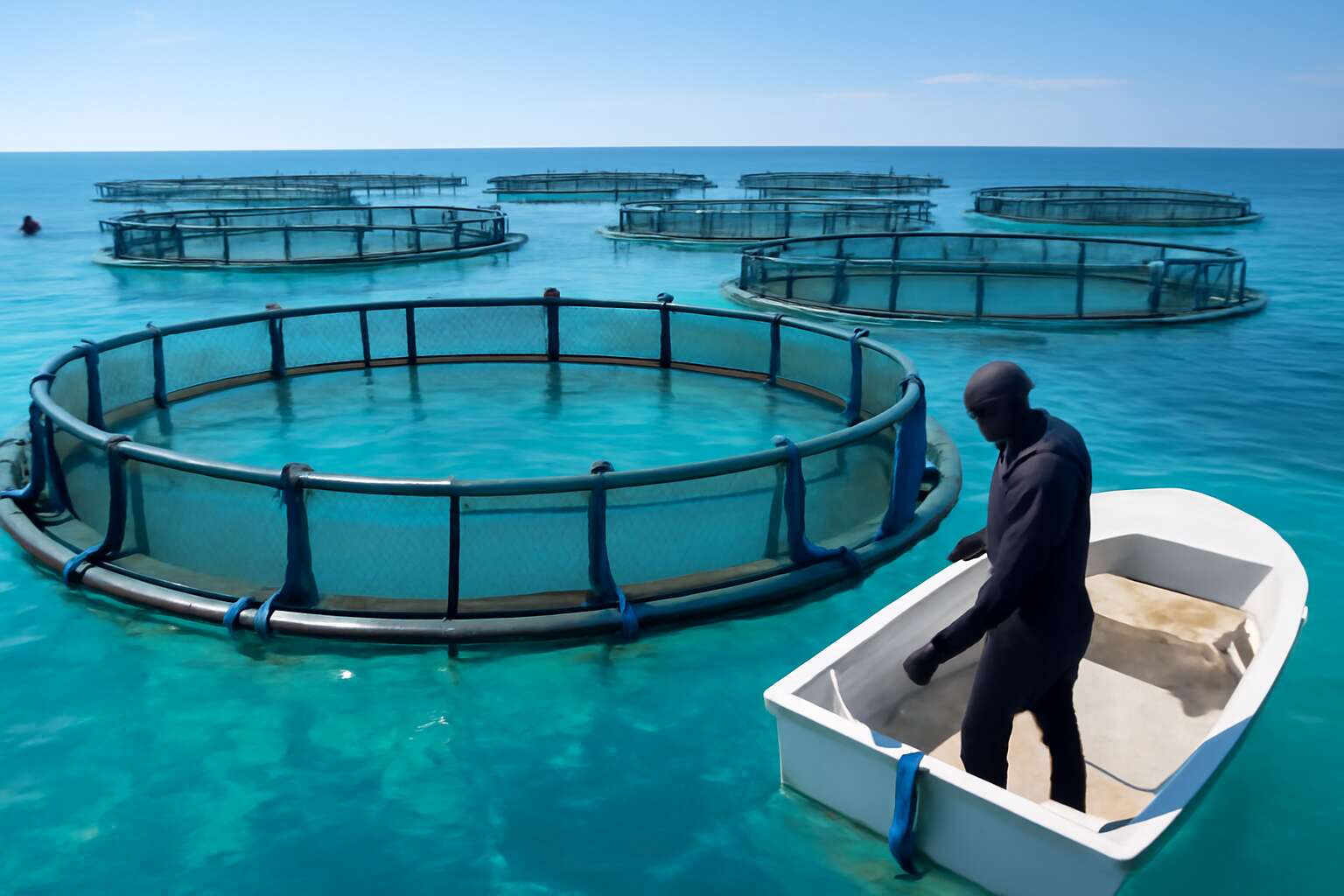
Definition and scope of aquaculture
Defining aquaculture: from hatchery to harvest
Seafood security sits at the intersection of appetite and ambition, and aquaculture is known as the engine behind the surge. Globally, aquaculture accounts for about half of the fish humans eat, a statistic that would make even a sardine blush.
Aquaculture is known as the systematic farming of aquatic organisms—spanning from broodstock to market—conducted in controlled environments to optimize growth, health, and yield. It embraces a spectrum from hatchery tanks to pond or recirculating systems and on to harvest, packing, and distribution.
- hatchery and broodstock management
- nursery grow-out and feeding strategies
- harvest, processing, and distribution
In the South African context, the scope extends from coastal estuaries to inland facilities, balancing biodiversity with food security and export potential. Smart water management and feed efficiency drive sustainability, ensuring the industry stays buoyant even when currents shift.
How aquaculture differs from related practices
Across the globe, a quiet current feeds millions—nearly half of the fish people eat now comes from farms. In policy circles, aquaculture is known as the steady heartbeat of food security.
Definition and scope span the journey from larvae to market, across fresh and seawater environments, guided by water quality, husbandry, and careful planning. In South Africa, the practice stretches from coastal estuaries to inland recirculating systems, balancing biodiversity with food security and export potential.
- Managed stocks and life cycles, not wild stock harvesting
- Water as the production medium—ponds, tanks, or recirculating systems
- Emphasis on welfare, biosecurity, and efficient feed use
How it differs from related practices is plain in everyday life: it uses controlled environments to grow and harvest aquatic animals or plants, rather than hunting wild stocks. It focuses on water-based husbandry and biosecurity, setting boundaries that protect local biodiversity.
Historical context and evolution of aquaculture
In South Africa, aquaculture is known as a quietly evolving discipline that stitches coast to countryside, turning water into dependable protein. Its scope stretches from breeding stock and hatcheries to grow-out and processing, a continuum guided by sustainable water use, careful planning, and market awareness.
Historically, aquaculture traces a winding path—from ancient pond cultures in Asia and the Mediterranean to modern, tech-enabled systems. The 20th century brought scientific feeds, controlled breeding, and disease management; I’ve seen how data-driven operations—from water quality sensors to genetic selection—shape resilient production.
Today’s landscape in South Africa blends coastal farming with inland recirculating systems, balancing biodiversity with nutrition security and export potential. Though rooted in tradition, aquaculture has earned the mantle of a strategic industry—a system that quietly feeds people while expanding opportunity!
Common terms and synonyms in the industry
South Africa’s aquaculture sector grew 8% last year, quietly feeding coastal communities and inland towns alike. In this landscape, aquaculture is known as a patient craft—one that harmonizes water stewardship with market demand and local biodiversity. Definition and scope extend beyond seed and harvest, weaving hatcheries, grow-out farms, and processing into a dependable supply chain.
Common terms and synonyms in the industry include the following:
- hatchery
- grow-out
- recirculating aquaculture system (RAS)
- polyculture
- biosecurity
- feed conversion ratio (FCR)
These terms anchor conversations with farmers, processors, and regulators, ensuring clarity from seed to shelf in South Africa’s evolving aquaculture story.
Aquaculture production systems and technologies
Recirculating aquaculture systems (RAS): setup, benefits, and challenges
Across South Africa, up to 90% of water can be reclaimed in recirculating systems, a statistic that margins on prophecy and pragmatism alike. aquaculture is known as a quiet forge where waste becomes opportunity, and fisheries move inland, away from dwindling wild stocks, toward steady harvests.
Recirculating aquaculture systems (RAS) hinge on a closed loop: tanks cradle the fish, a biofilter sculpts the microbial balance, pumps keep the current, and sensors vigilantly track oxygen, temperature, and ammonia. Benefits include:
- Water efficiency and precise control
- Year-round production with smaller footprint
- Enhanced biosecurity reducing disease risk
Yet challenges shadow the lantern: energy intensity, ongoing maintenance, capital outlay, and power interruptions can corrode operation. For South African farms, the tale remains a careful balance between technical mastery and weathered resilience.
Pond and tank farming: open-water vs semi-closed systems
Across South Africa, aquaculture is known as a quiet forge where inland harvests take root. Pond and tank farming anchor this industry, turning available water into predictable produce. Open-water ponds drink in the climate and season, while semi-closed systems lean on careful management to steady yields year-round.
Open-water ponds embrace sunlight, rainfall, and natural filtration, but demand careful site choice and stock management. Semi-closed tanks use aeration, mechanical filtration, and controlled exchange to protect water quality and bottom-line stability.
There are practical features that make these systems approachable for small farms.
- Low capital entry for ponds
- Energy-conscious aeration in tanks
- Simple, scalable monitoring tools
Integrated multi-trophic aquaculture (IMTA) and polyculture
Global seafood demand now rests on farms as wild stocks tighten; aquaculture supplies more than half of the world’s seafood by value. For many, aquaculture is known as the quiet engine of food security, weaving productivity with ecological design and local livelihoods.
Integrated multi-trophic aquaculture (IMTA) reshapes inputs into outputs by welcoming complementary species that utilize waste across trophic levels. The approach reduces environmental footprint while stabilizing yields. In practice, you might see a finfish system sharing water with shellfish and seaweed.
- Finfish at the top of the chain
- Shellfish filtering the water
- Seaweed harvesting the nutrients
Polyculture extends that philosophy, threading different species through one habitat to cushion against disease and market swings. In South Africa, these systems echo the coast’s rhythms and inland resilience, turning diverse harvests into steady, mindful revenue streams.
Automation, sensors, and data-driven management in aquaculture
Technology threads a new seam through pens and cages, turning instinct into insight. In South Africa, aquaculture is known as a field where automation refines effort into sustained harvests; studies note feed efficiency gains of 15–20% when real-time sensors steer every bite. Tiny devices monitor water quality, oxygen, and temperature, while cloud dashboards translate streams of data into decisions that feel almost magical.
Automation, sensors, and data-driven management reshape daily routines:
- Automated feeders tailor rations to fish size and appetite
- Inline water-quality sensors flag dissolved oxygen and ammonia in real time
- Predictive analytics forecast growth, disease risk, and harvest windows
This technology bridges coastal livelihoods with precise control, blending heritage with measurable care, empowering farmers to chart steadier courses through seasonal tides.
Species and products in aquaculture
Finfish farming: leading species and market implications
More than half of the seafood people eat worldwide comes from aquaculture. In South Africa, aquaculture is known as a growing beacon for rural livelihoods and export potential. Farming finfish tells a tale of species, markets, and resilience.
Leading finfish species shaping South African markets include:
- Tilapia (Oreochromis spp.) — versatile fillets for retail and ready-to-cook portions
- African catfish (Clarias gariepinus) — affordable protein for local dishes and value-added products
- Rainbow trout (Oncorhynchus mykiss) — premium options for hospitality and niche markets
- Yellowtail kingfish (Seriola lalandi) — high-value fillets for export and upscale dining
Products span whole fish, fillets, portions, and ready-to-cook formats, with sustainability and traceability guiding consumer trust and price stability in a dynamic regional market.
Shellfish and crustaceans: shrimp, mussels, oysters
Harvests glint along South Africa’s coast, and shellfish farms stitch rural life to global markets. “The sea rewards patient hands,” a veteran grower often says, and crates prove the truth season after season. In this context, aquaculture is known as a quiet engine behind livelihoods and local pride.
Shrimp, mussels, and oysters anchor a growing, community-centered sector. Shrimp farms supply tail-on and peeled products for retail and ready-to-cook meals; mussels appear as live clusters or pre-packed meat; oysters arrive fresh in half-shells or shucked formats for nearby eateries and distant markets. These species thrive with clean water, careful handling, and simple packaging that preserves flavor from dock to dish.
- Whole shrimp and peeled tails
- Mussel meat and live-packed clusters
- Oysters in half-shell, shucked, or smoked varieties
Product forms reflect consumer demand—live, chilled, or processed—while sustainability and traceability guide trust, maintaining price stability along South Africa’s coastline.
Algae and seaweed farming: benefits and applications
In South Africa, aquaculture is known as the quiet engine behind coastal livelihoods. Algae and seaweed farming offer quick yields and resilient harvests, with SA skipping through steady seasons and a buoyant 20% income uptick per cycle for some communities. Seaweed isn’t just garnish—it’s a multi-tool crop feeding people and industries alike.
- Food and nutrition: edible seaweeds high in minerals and umami, fueling local markets.
- Hydrocolloids: alginates, agar, and carrageenan powering sauces, gels, and cosmetics.
- Cosmetics and nutraceuticals: clean-label ingredients with sea-sourced authenticity.
- Bioremediation and carbon uptake: helping bays stay clear while storing carbon on the timeline.
Along South Africa’s shorelines, seaweed farming complements traditional harvests, supports jobs, and keeps ecosystems intact—an elegant, ocean-smart addition to the aquaculture family.
Value-added products and byproducts in aquaculture
Across South Africa’s coast, communities anchor their livelihoods to the sea’s patient rhythm. aquaculture is known as the quiet engine behind coastal livelihoods, delivering steady harvests and, for some, a 20% income uptick per cycle. Finfish—hake and tilapia—sit beside shellfish such as mussels and oysters, while seaweed adds resilience and variety to the harvest. Each species carries a story of boats, seasons, and careful science that keeps tables fed and ports buoyant.
Value-added products and byproducts in aquaculture turn raw harvests into lasting value. From the same species, processors derive oils, meals, and hydrocolloids that feed food, cosmetics, and feed sectors. The byproduct stream helps close the loop, supporting sustainability and local jobs.
- Fish oil and fishmeal for nutrition and farming feeds
- Shell-derived chitosan and calcium products
- Seaweed-based hydrocolloids (alginate, agar, carrageenan) and nutraceuticals
- Biogas, compost, and organic fertilizers from processing leftovers
Environmental, economic, and regulatory considerations
Environmental impacts and best practices for stewardship
Here’s a punchy stat: globally, more than half of the seafood we eat comes from aquaculture. In South Africa, aquaculture is known as the quiet engine of resilience—a way to turn feed into protein while easing pressure on wild stocks. The promise rests on transparent reporting, responsible siting, and communities ready to share the coast with fish farms instead of fretful headlines.
Economically, the sector threads capital, feed costs, and market access. Regulation sits like a vigilant bouncer: permits, impact assessments, and traceability standards shape viability. Key regulatory considerations include:
- Water-use licenses and discharge limits
- Biosecurity protocols and disease reporting
- Product certification and market labeling
From my experience, environmental stewardship means guarding against effluent, escapes, and habitat disruption while supporting vibrant coastal communities. Best practices include robust monitoring, responsible feed sourcing, and adaptive site planning—think small, well-managed footprints that respect local ecosystems and South Africa’s conservation ethos.
Sustainability metrics and certifications in aquaculture
Environmental stewardship hinges on measurable sustainability metrics and credible certification. Indicators include feed conversion ratio, water quality and discharge, energy intensity, and escape management. Certifications such as ASC, GLOBALG.A.P., and regional South African standards signal responsible practice to buyers and communities. Sustainability metrics and certifications shape trust and long-term viability.
- Feed conversion ratio and efficiency
- Water-use and discharge management
- Escape prevention and biodiversity safeguards
In this landscape, aquaculture is known as a bridge between coastal livelihoods and secure protein supply. It blends innovation with tradition, demanding rigorous traceability and responsible sourcing of feed ingredients to maintain consumer confidence and market access.
Regulatory considerations keep the public interest front and center—water-use licenses, discharge limits, biosecurity protocols, disease reporting, and product certification—creating a stable frame that supports coastal resilience and confident market participation.
Regulatory framework, food safety, and traceability
In South Africa, aquaculture is known as a beacon—driving a 35% surge in local seafood supply over the past five years—linking coastal livelihoods to reliable protein for kitchens and communities, as if the shoreline itself whispered sustenance.
Environmental stewardship rests on transparent regulatory frameworks and robust traceability.
- Regulatory framework and licensing controls
- Food safety standards and quality assurance
- End-to-end traceability systems
Economically, this sector adds jobs, value chains, and regional resilience, balancing innovation with tradition while ensuring price stability and export readiness.
Regulatory considerations keep the public interest front and center, shaping investment, biosecurity, and transparent reporting as coastal communities participate in a trusted market.
Traceability and product integrity steer consumer confidence.
Economic landscape: investment, demand, and market trends
A beacon on the coast—aquaculture is known as the steady pulse of coastal resilience, contributing a 35% surge in local seafood supply over five years and tying small-scale villages to reliable protein in kitchens across the country. Environmentally, sustainable siting and water stewardship keep ecosystems intact while harvests grow.
Economic landscape: investment, demand, and market trends shape growth. Domestic appetite for affordable protein expands, while premium products unlock export opportunities. Investors are prioritizing infrastructure, automation, and resilient supply chains as costs fall and speed to market rises.
- Domestic demand rising
- Export readiness improving
- Technology driving efficiency
Regulatory considerations keep growth aligned with public interest. Clear licensing, predictable rules, and robust reporting build trust with coastal communities, lenders, and buyers, turning policy into a stabilizing force for investment and export readiness.

0 Comments