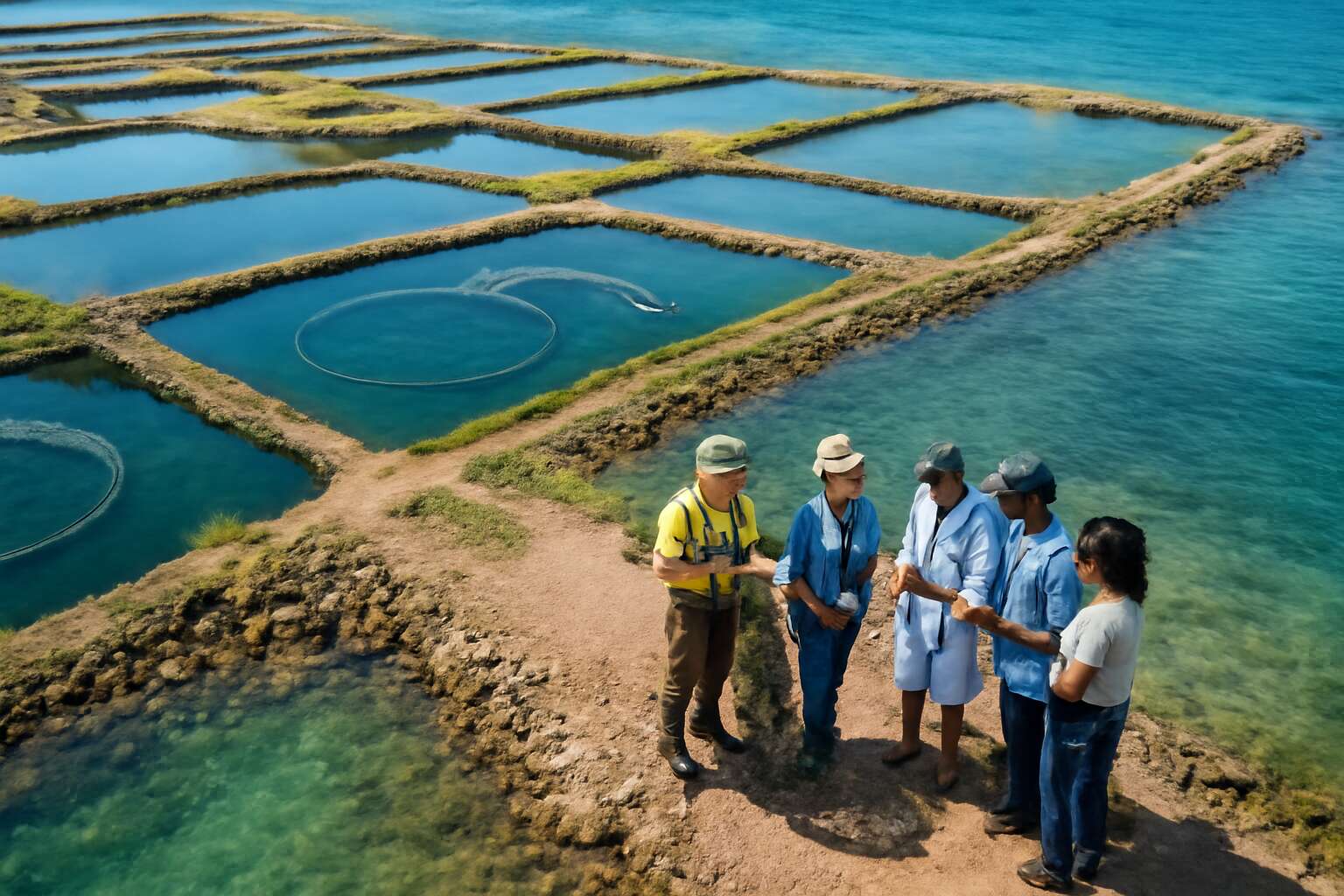
Collaborative Aquaculture in Fish Farming
Overview of collaborative aquaculture
Across South Africa’s coast, cooperation carries a surprising punch: a 25% rise in efficiency when growers pool wisdom and stock. The ledger smiles when farms join hands, turning quiet coves into bustling hubs of shared purpose.
Collaborative aquaculture means shared hatcheries, pooled feed purchasing, and jointly managed water quality—an ecosystem of trust where the fish farm collaborative becomes more than a slogan. We see this shift turning cautious tides into confident yields.
- Shared infrastructure reduces upfront costs.
- Collective marketing improves negotiating power.
This approach nurtures resilience against drought, disease, and market shocks, and it binds communities across regions with a thread of reciprocity and hope!
Partnership models in fish farming
Across South Africa’s shimmering coast, a 25% uplift in efficiency greets those who embrace the fish farm collaborative—where shared wisdom turns quiet coves into productive covenants!
- Collective input procurement and shared storage
- Regional marketing and cooperative branding
- Collaborative risk management and biosecurity protocols
In this model, communities map resilience across districts, turning drought, disease, and market shocks into shared learning and mutual support. The vision glitters with practical promises: steadier livelihoods, transparent supply chains, and a future where every tide lends strength to the next.
Benefits, challenges, and risk management
Across South Africa’s coastline, a 25% uplift in resilience greets communities embracing a fish farm collaborative, where shared wisdom turns quiet coves into engines of mutual prosperity. This model threads fish, farmers, and local knowledge into a living tapestry, letting each harvest carry the chorus of many voices. It promises steadier livelihoods, transparent supply chains, and biodiversity-aligned practices that respect water as a living partner.
- Benefits: steadier livelihoods, regional employment, improved traceability, and social cohesion.
- Challenges: governance complexity, equitable resource sharing, and aligning incentives across districts.
- Risk management: pooled biosecurity, early warning networks, and shared insurance mechanisms.
In this tidal collaboration, risk becomes a chorus rather than a siren, and we ride the same wave with courage and curiosity.
Technology and data sharing in collaborative aquaculture
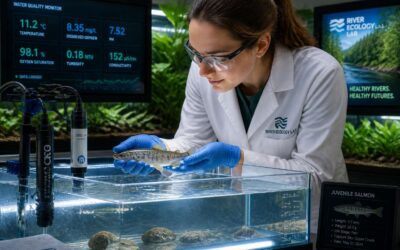
Across South Africa’s coastal heartland, the fish farm collaborative glows like a beacon—boosting resilience and trust through data sharing. I’ve watched pilots where partner farms exchange real-time water metrics, sensor readings, and harvest plans, turning uncertainty into clarity. In Collaborative Aquaculture, technology threads hatcheries, nurseries, and sea pens into a single living operation, where every action echoes across the network and specialists listen to the sea’s whispers.
- Shared dashboards for water quality, oxygen, and feed efficiency
- Interoperable alerts and early warning signals
- Common biosecurity and traceability standards
In this chorus of data, governance becomes lighter and collaboration deeper. The fish farm collaborative model invites curiosity, keeps risk in check, and honors water as a living partner, inviting communities to co-create better livelihoods and healthier seas. The tide rewards the fish farm collaborative.
Regional trends and case studies
Across South Africa’s coastal heartland, the fish farm collaborative glows like a beacon—turning uncertainty into clarity as partner farms exchange real-time water metrics, sensor readings, and harvest plans. Pilots show a new rhythm where hatcheries, nurseries, and sea pens operate as one living system.
Regional trends point to lighter governance paired with deeper collaboration. In KwaZulu-Natal and the Western Cape, joint risk pools and shared training hubs are building trust and resilience. These case studies reveal communities co-creating sustainable livelihoods while safeguarding the sea.
- Cross-operator governance aligns harvest windows and biosecurity practices
- Open data exchanges translate weather and water signals into actionable plans
- Local partnerships ensure cultural and ecological stewardship remains central
In this evolving tide, data becomes dialogue and the sea is a partner—not a boundary.

0 Comments