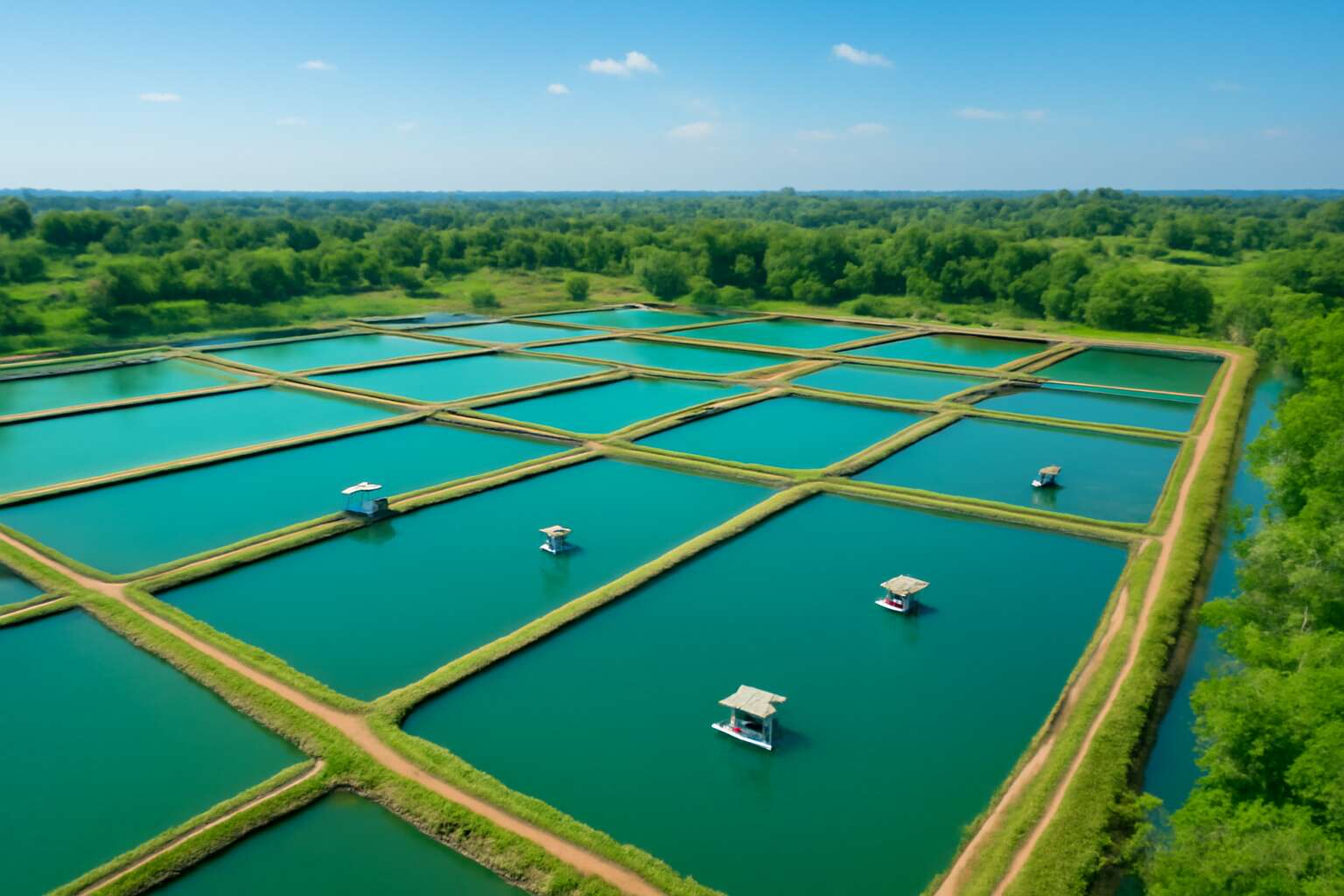
Ogudu fish farming: comprehensive outline
Section Overview
Last year, SA aquaculture output rose 11%, a tide-turning statistic that frames fish farm ogudu not as a novelty but as a steady current of opportunity. “This is the future of farming,” murmurs an industry veteran, and the coast seems to listen as cages glisten at dawn.
At fish farm ogudu, water is recycled with quiet rigor and every fry is tended with patient precision. The operation blends science and storytelling, turning routine rounds into a meditation on stewardship.
- Species cultivated: tilapia and catfish
- Water quality and recirculation systems
- Feed efficiency and growth monitoring
Infrastructure and Setup
Last year SA aquaculture output rose 11%, and fish farm ogudu stands at the heart of that momentum. “This is the future of farming,” a veteran notes, as dawn glints off the cages. It’s a practical, scalable vision waking up coastal communities.
Infrastructure here blends simplicity with science. At fish farm ogudu, a compact layout houses RAS tanks, biofilters, and a climate-controlled staging area for tilapia and catfish. Water quality is monitored continuously, waste is minimized, and daily routines emphasize steady growth. I’m struck by the discipline behind the scenes.
- Recirculating Aquaculture System (RAS) tanks with biofilters
- Precision aeration and real-time oxygen control
- Energy-efficient pumps and backup power
- Secure feed storage and automated feeding
- Strict biosecurity and access controls
Production Practices and Cycles
In South Africa, aquaculture output rose 11% last year, and fish farm ogudu sits at the heart of that momentum. Dawn gilds the water as fingerlings shift through raceways, ticking through the production cycles with patient precision. It’s a quiet, almost ritual rhythm that keeps coastal livelihoods waking up to steady growth.
Production practices unfold in clear stages, each designed to stabilize yields and protect stock health.
- Careful broodstock selection
- Fry-to-fingerling transition
- Controlled grow-out and feed optimization
- Harvest scheduling and grading
I watch the crews align feeding regimes with water audits and oxygen metrics, a choreography that converts feed into fillet. With photoperiods, temperature windows, and routine biosecurity rubrics, the cycle stays smooth and resilient—even when coastal winds howl outside the nets.
From that disciplined tempo emerges quality, local employment, and a quiet promise of sustainability—an echo of the first light over the cages.
Market dynamics and Sustainability
Markets hum along the shoreline, a double-edged lullaby that lures investors and workers alike. ‘The best harvest is a planned harvest,’ a Cape analyst once whispered, and in South Africa that discipline frames every shoal of fingerlings and every ledger line. I watch the ledger glow at dawn as fish farm ogudu sits at the heart of this quiet economy, a sentinel of local supply, resilience, and the patient craft that feeds coastal communities. Demand for fresh, traceable fish grows as consumers seek quality and provenance.
Market dynamics in this sector lean on sustainability as much as price. Trust is earned by transparent sourcing, rigorous biosecurity, and water stewardship that respects the estuary’s bones. The future favors outfits that blend efficiency with care, turning feed into fillet while easing the load on ecosystems. In this climate, stakeholders value long-term relationships, robust logistics, and governance that keeps the coastline intact.
Technology and Future Trends
From the dawn lift of the Indian Ocean coast, fish farm ogudu stands as a beacon of modern patience and possibility. The SA aquaculture sector is trending toward double-digit growth, and this operation choreographs technology with care, turning water and feed into sustainable fillets that travel to tables and towns alike.
- Smart sensors monitor temperature, dissolved oxygen, salinity, and waste in real time
- AI-driven feed optimization reduces waste and improves feed conversion
- Biosecurity automation keeps disease at bay without interrupting production
Looking ahead, infrastructure adapts to climate variability; modular raceways, solar microgrids, and remote diagnostics keep the system resilient. This means a flexible, water-conscious blueprint that travels beyond today’s shores.




0 Comments