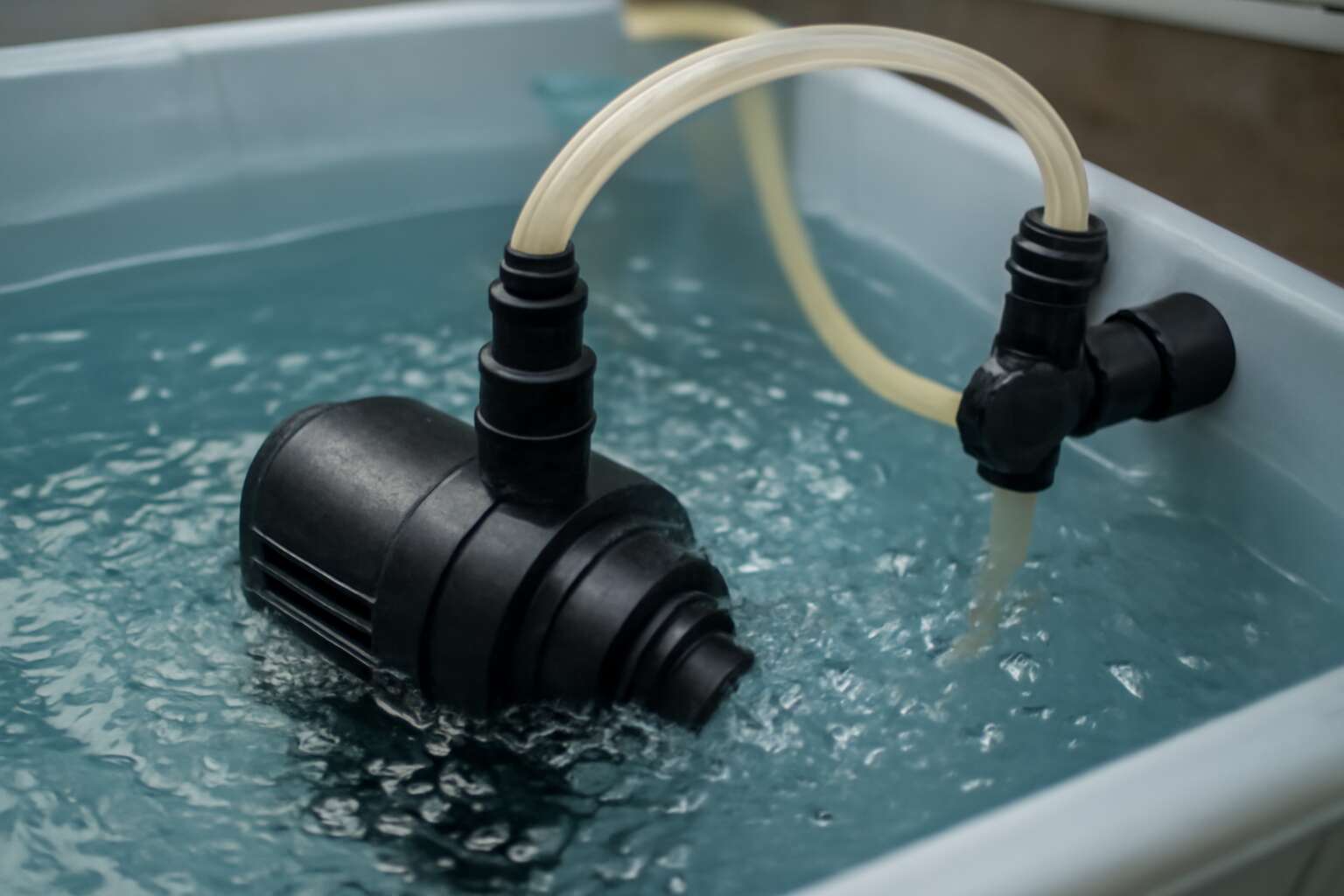
Aquaculture Water Pump Solutions: Comprehensive Outline
Overview and Role of Pumps in Aquaculture
In South Africa’s dynamic aquaculture scene, every circulating liter matters. Water flows that align with tank geometry can transform yields and energy bills. A compelling fact: carefully matched water pumps in aquaculture can cut power use by up to 30% on modern systems, boosting stock vitality and water clarity.
This article unveils a comprehensive outline of how pumps shape life. The role of pumps in aquaculture spans circulation, aeration, filtration assistance, and temperature maintenance—a choreography that keeps tanks pristine and fish comfortable. Key considerations include flow rate, head, efficiency, and build quality for South African water and salt exposure.
Beyond performance, maintenance matters: rugged seals, corrosion-resistant materials, and sensors that flag wear before disruption. When pumps are chosen with SA climates in mind, operators enjoy quieter operation, longer service intervals, and a chorus of healthy growth across species. The rhythm of a farm’s day hinges on reliable, elegant motion.
Pump Types and Technologies for Aquaculture
In the South African aquaculture scene, every watt matters and flow must harmonize with tank geometry. Operators report up to 30% energy savings when pumps are matched to system design, turning thirsty power bills into a steadier chorus of growth, water pumps in aquaculture become the poised conductors of life.
This section surveys the spectrum of pump types and technologies guiding modern farms. Expect centrifugal and inline workhorses for steady circulation, submersible and dry-run protected units for rugged tanks, and magnetic-drive variants where quiet, seal-less operation matters. Paired with variable frequency drives, they optimize head, flow, and energy performance.
Key families and technologies include:
- Centrifugal inline and end-suction systems for efficient flow
- Submersible pumps with corrosion-resistant housings and thermal protection
- Magnetic-drive, seal-less designs for quiet operation and long service life
This palette fosters resilience across South Africa’s varied water conditions.
System Design, Sizing, and Integration
In South Africa, up to 30% energy savings are possible when pumps align with system design. The quiet pulse of a farm begins with water pumps in aquaculture, and when the flow is tuned to space and stock, power bills soften into a steady chorus of growth!
This section outlines a comprehensive approach to system design, sizing, and integration that respects tank geometry, biosecurity, and energy resilience—an approach I’ve learned to trust on South African farms—water pumps in aquaculture.
Key considerations include:
- Establishing system design objectives that align with tank geometry and stocking plans
- Sizing to deliver the required head and variable flow across seasonal loads
- Integrating with variable frequency drives, control sensors, and energy monitoring
From concept to cradle of life, these choices translate into scalable, resilient systems that ride the arc of seasons in South Africa—carrying promise and grace.
Operation, Maintenance, and ROI
One South African farm shaved nearly a third off its electricity bill when the water pumps in aquaculture were tuned to the system’s heartbeat. In a country with load shedding and fickle power, energy resilience is not a luxury—it’s a business staple.
This outline covers operation, maintenance, and ROI in a way that keeps fish thriving and wallets happier. Consider these pillars:
- Efficient operation guided by sensors and energy monitoring
- Predictive maintenance and swift fault detection
- ROI drivers like energy savings and system resilience
When you pair water pumps in aquaculture with reliable control and a modest lifespan, the return goes beyond dollars—it becomes smoother seasonal cycles and calmer water columns that reduce stress on stock.


0 Comments