Comprehensive Aquaculture Framework
Overview and Trends
Global aquaculture now supplies over half of the fish we eat, a tidal truth that echoes from Cape Town to KZN. In South Africa, thoughtful farming can turn coastline into a living classroom and a steady partner for communities. A comprehensive aquaculture guide frames that promise with quiet, confident clarity.
Key currents shaping the field include resilience through design, smarter feeds, and governance that steadies shorelines.
- Integrated multi-trophic systems for resilient yields
- Recirculating systems (RAS) and water stewardship
- Biosecurity, traceability, and local market access
Together, the elements of this comprehensive framework evolve with science and soil alike, forging pathways that respect riverine corridors and reef habitats. This aquaculture guide subtly threads science with policy, showing how biosecurity, data-sharing, and community-benefit models can co-create steady harvests. Its cadence invites readers to listen closely to the sea’s margin, where opportunity and stewardship meet in equal measure.
Species and System Types
On the edge of a quiet South African coastline, a map unfolds in ink of waves and will. “The sea answers when we listen,” a seasoned farmer says, and this aquaculture guide begins with that listening—unfolding a comprehensive framework of species and system types designed to steady coastal livelihoods without unnerving reef rhythms.
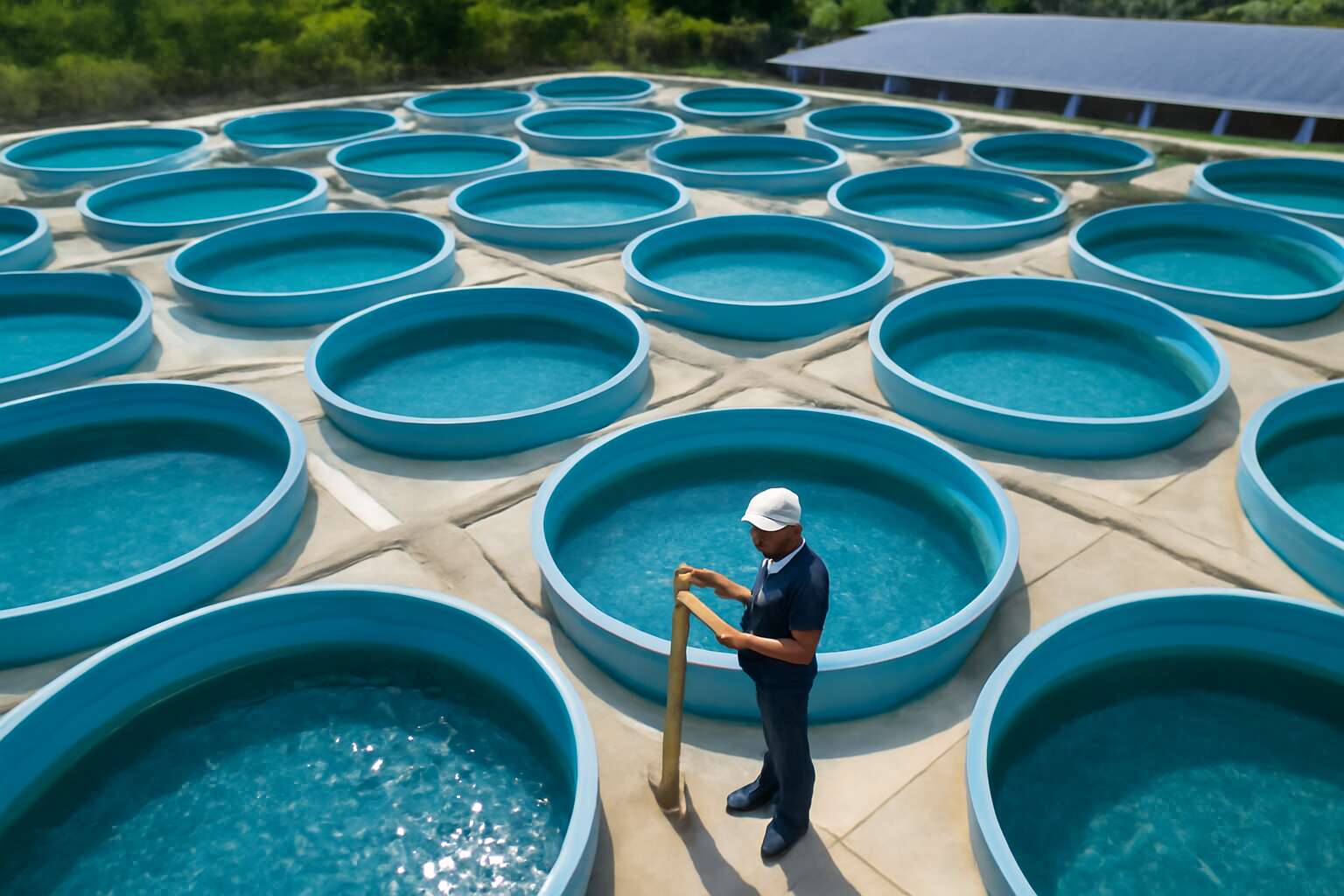
Comprehensive Framework: Species span finfish, shellfish, and seaweeds, plus high-value delicacies like abalone where markets permit. Each group favors specific systems—finfish in recirculating and open-water cages; shellfish and seaweeds in integrated or low-energy setups; all anchored by local ecology and market demand.
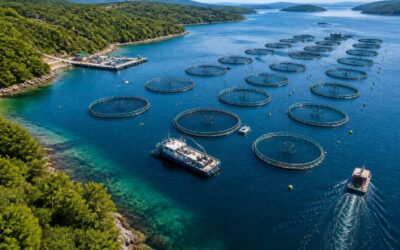
System types align with coastlines; RAS for inland or urban hubs, cages for sheltered bays, ponds for controlled grow-out, and IMTA to harvest multiple feeds from the same water column. This aquaculture guide threads science with place, evoking the coast’s patient balance.
Water Quality and Health Management
Across SA’s rugged coastline, water-quality lapses cost harvests more than storms ever could. The trick isn’t luck; it’s listening—watching dissolved oxygen breathe, pH whisper, and salinity stay steady. A calm, data-driven routine turns risk into routine, keeping stock robust while protecting reef rhythms!
- Dissolved oxygen: maintain healthy levels to prevent stress and disease
- pH and alkalinity: stable ranges suitable for target species
- Ammonia and nitrite: minimize buildup through proper biofiltration
- Temperature and salinity: aligned with seasonal needs and local taxa
- Biosecurity and hygiene: quarantine, equipment sanitation, and routine health checks
Within the comprehensive aquaculture framework, water quality and health management anchor every system—from RAS to cages—adapting to SA’s varied coastlines. Observation, continuous sampling, and coastal pragmatism keep momentum steady. The aquaculture guide provides the map: plain terms, clear metrics, and a steady hand for thriving stocks and shore livelihoods.
Nutrition and Feeding Practices
Across South Africa’s coastlines, a well-balanced diet can steer growth with the certainty of tides. The aquaculture guide places nutrition at the core, where feed quality and species appetites meet to write steady gains rather than volatile swings!
Within this comprehensive framework, formulating rations means more than calories—it’s about digestibility, energy density, and amino acid balance. Choose protein sources that align with local sustainability goals, and respect seasonality as you adjust palatability and feed presentation to keep stock engaged without waste.
- Digestibility and energy density
- Protein quality and amino acid balance
- Sustainability and sourcing of ingredients
These choices in the aquaculture guide invite a conversation between farmer and tide, a quiet mathematics of appetite, growth, and reef-friendly practices that dignify every harvest.
Economics, Market Trends, and Regulation
Across South Africa’s coastlines, a policy shift can move harvests more than weather ever does. We’ve learned that such shifts move harvests as surely as tides! The aquaculture guide treats economics as a social sport—where capital, pricing signals, and regulation dance in step so hatcheries stay solvent. This framework turns chaotic headlines into a stable plan, keeping margins from heroic leaps and dives. It’s as elegant as a well-timed tide and twice as practical.
Key economic pillars to watch include:
- Regulatory clarity and licensing timelines that affect cash flow
- Market demand and price cycles for seafood products
- Capital costs, insurance, and access to credit
- Certification, traceability, and export requirements
Regulation shapes strategy as surely as salinity shapes growth. A robust framework aligns ambition with public interest, ensuring sustainable growth while protecting reef-friendly practices and local jobs. The result is a steadier curve through turbulence—precisely the reason such a guide exists.


0 Comments