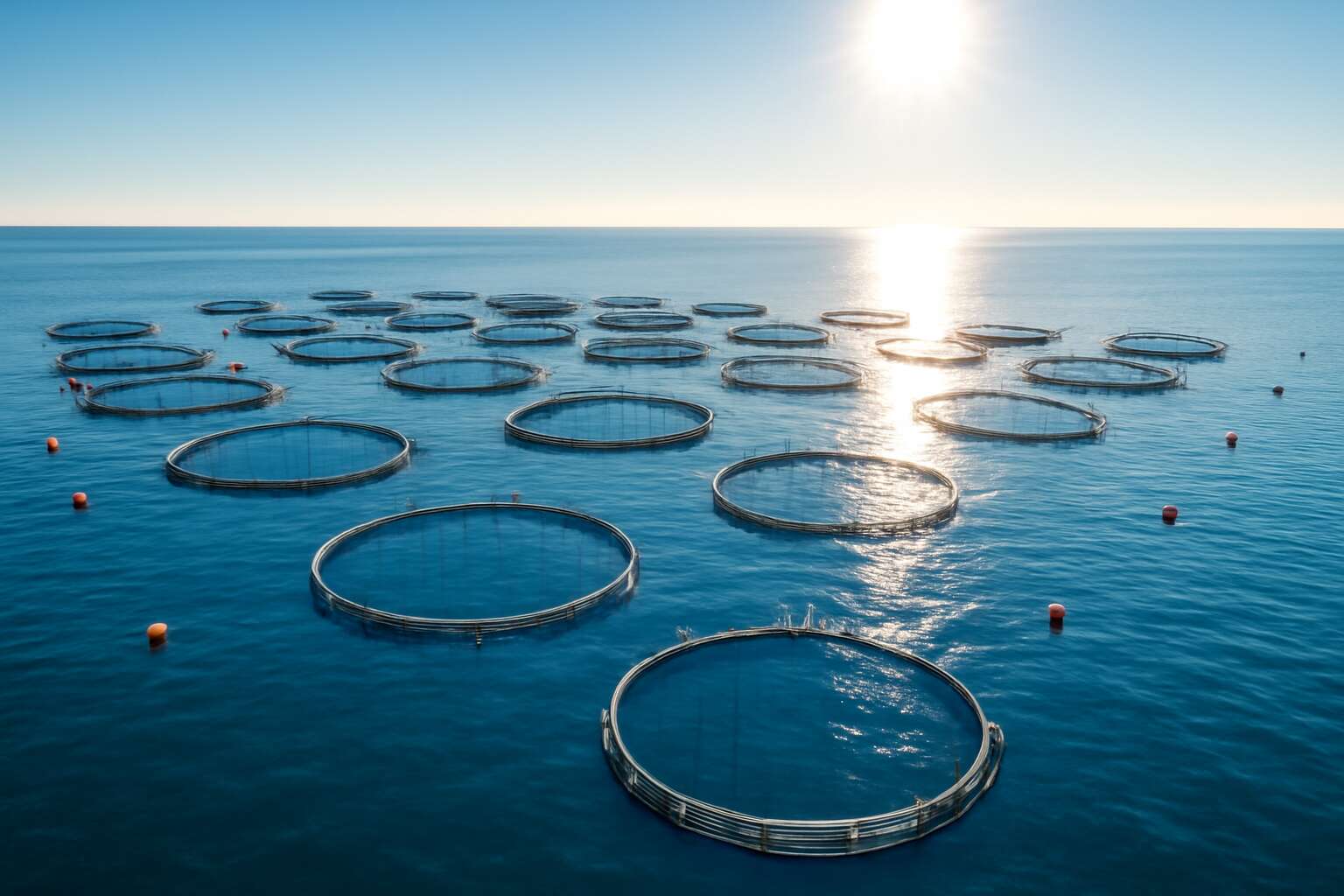
Key Concepts in Aquaculture
Understanding the Basics of Modern Aquaculture
Global seafood from aquaculture now accounts for more than half of what we eat, and that momentum shows no sign of waning. In this landscape, we are aquaculture—curators of water, feed, and stubborn optimism—driving reliable protein from net to plate with a wink.
Key concepts start with species selection tailored to climate, water quality management, and sustainable feeding strategies that maximize growth while minimizing waste. Modern systems span open ponds to recirculating setups (RAS) that fine-tune temperature and oxygen, turning chaos into calculated yield.
- Water quality and environmental stewardship
- Nutrition, feed conversion, and responsible sourcing
- Biosecurity and disease prevention
These ideas become the backbone of a sector that blends science with appetite, policy with practicality, and a touch of South African pragmatism.
Sustainable Practices and Certifications
More than half of global seafood now comes from aquaculture, a momentum that keeps expanding. In this evolving landscape, we are aquaculture—a custodianship of water, feed, and stubborn optimism—shaping harvests that travel from net to plate with a confident wink.
Key concepts flow from climate-smart species choices, rigorous water quality management, and feeds designed to maximize growth while minimizing waste. From open ponds to recirculating systems (RAS), today’s farms turn temperature, oxygen, and nutrient cycles into predictable yields, guided by science and South African pragmatism.
- ASC, GlobalGAP, and local schemes secure traceability and market access
- Environmental stewardship: water treatment, waste reduction, and habitat protection
- Biosecurity and disease prevention through proactive surveillance and sanitation
Technology and Innovation in Aquaculture
More than half of global seafood comes from aquaculture, and technology is the steady hand guiding every harvest. In this space, we are aquaculture—the custodians of water, feed, and stubborn optimism—turn data from sensors into predictable yields. Temperature, oxygen, and nutrient cycles stop being mysteries and start being tuneable variables, managed by software, science, and South African pragmatism.
- Real-time water quality and environmental sensing
- Recirculating and modular system design for scalable control
- Automation in feeding with AI-driven growth forecasting
- Genomic selection and tailored breed traits for resilience
From analytics to biosecurity dashboards, these concepts knit resilience into everyday farming. And this ethos—we are aquaculture in motion—guides our moves from net to plate with efficiency and care.
Industry Economics and Market Trends
More than half of the seafood consumed worldwide comes from aquaculture, a truth that steadies markets like a patient drumbeat. And this is where we are aquaculture—the keepers of water, feed, and stubborn optimism—transform price signals into predictable harvests. In South Africa’s coastal towns, small farms meet global demand with resilience, turning local knowledge into steady supply and quiet pride.
- Rising consumer demand for traceable, responsibly farmed seafood
- Volatile input costs driving efficiency and smarter sourcing
- Export opportunities across Southern Africa and regional markets
- Farm-to-table branding and local provenance gaining traction
These currents shape investment, credit choices, and how communities plan for drought or flood. We see risk managed through smarter sourcing, regional partnerships, and transparent reporting that builds trust from dock to dish.

0 Comments