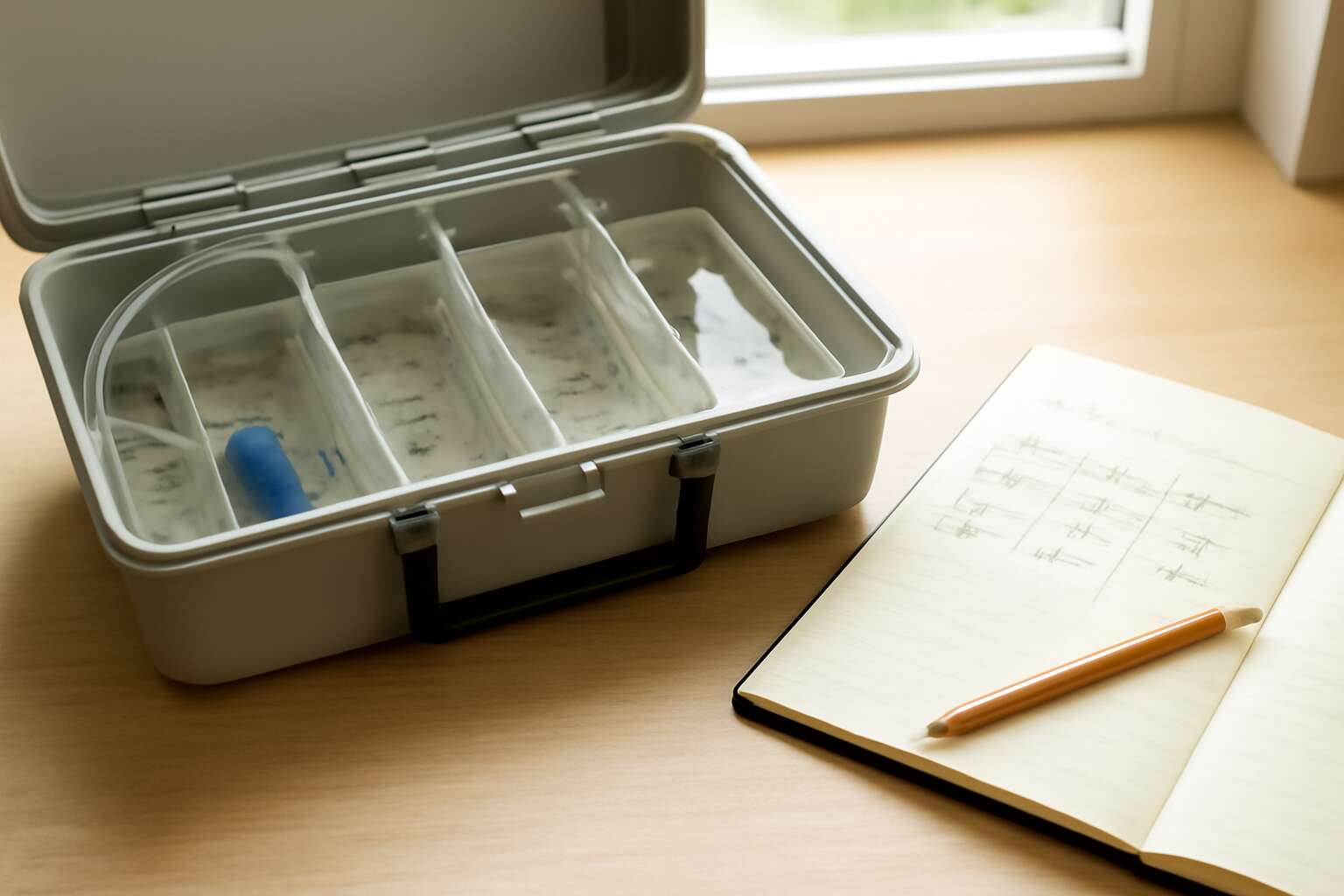
Tackle box aquaculture: practical setup and operations
Design principles for tackle box systems
In coastal pockets where space is precious, small systems become mighty. “Small boxes, big horizons,” is a phrase SA growers often whisper, and it rings true as micro-farms turn tide into treasure. This journey reveals how to use tackle box aquaculture to spin life from compact vessels, weaving wonder with method.
Practical setup rests on design principles that balance efficiency with grace. Here are core tenets for tackle box systems:
- Modular, stackable chambers that separate flow, species, and feed timing.
- Corrosion-resistant materials suited to coastal air and salt spray.
- Low-energy aeration paired with passive filtration to keep complexity minimal.
Operations and daily rhythms are guided by observation, not rigid scripts. Small systems thrive on gentleness: regular checks, clean lines, careful loading, and respectful habitat balance. The South African market deserves gear that respects both river and reef, and tackle box setups deliver that harmony with quiet resilience.
Equipment and installation
“Small boxes, big horizons,” SA growers murmur, and it lands with a salty snap on the tongue. When you ask how to use tackle box aquaculture, the practical setup becomes the anchor—compact, robust, and quietly productive.
- Marine-grade piping, seals, and fasteners
- A compact sump and a quiet, efficient pump
- Accessible service points and simple cable management
- Detachable trays or chambers for species-specific zones
Operations and daily rhythms stay anchored in observation rather than rigid rules. Regular checks, clean lines, and gentle loading keep the habitat balanced. The South African market benefits from gear that respects river and reef, delivering quiet resilience with every tide.
Water quality and biology management
‘Clean water is a quiet asset,’ a mentor used to say, and in tackle box aquaculture that truth steadies every day. Water quality and biology management shape how stocks settle into balance—oxygen steady, temperatures forgiving, transitions that respect the rhythm of small-water life. A daily vigil, listening to color and appetite.
For South African growers asking how to use tackle box aquaculture, practical care centers on the unseen threads of water and biology. The daily rhythm favors observation over schedules, and the system speaks through subtle shifts in clarity, sound, and growth.
- Oxygen, ammonia, and nitrite as the system’s quiet dialects
- Microbial balance and biofiltration as the engine of stability
- Temperature and salinity as the weather of comfort
- Stocking density and waste flow reflecting the system’s capacity
The rhythm is observation, not prescription.
Maintenance and optimization
‘Water is a quiet engine,’ a mentor once said, and tackle box aquaculture steadies the day. If you’re curious how to use tackle box aquaculture, the answer rests in quiet setup and patient care. Start with a sturdy frame, choose salt- and humidity-resistant materials, and arrange compartments for feeding, aeration, and waste. Place the system where gentle temperature shifts meet clear flow—the quiet hum of pumps becomes a daily metronome.
Maintenance and optimization hinge on simple routines tailored to South Africa’s climate. Keep water moving, feed moderately, and tune the biofilter as stock grows. Check temperature and, where relevant, salinity; everything else is a conversation with water and life.
- Regular aeration and consistent flow
- Accessible seals and reliable connectors
- Plain water testing for ammonia, nitrite, pH
- Scheduled cleaning of filters and debris
In this rhythm, steady observation replaces rigid schedules, and success shows in clear water and thriving stock.




0 Comments