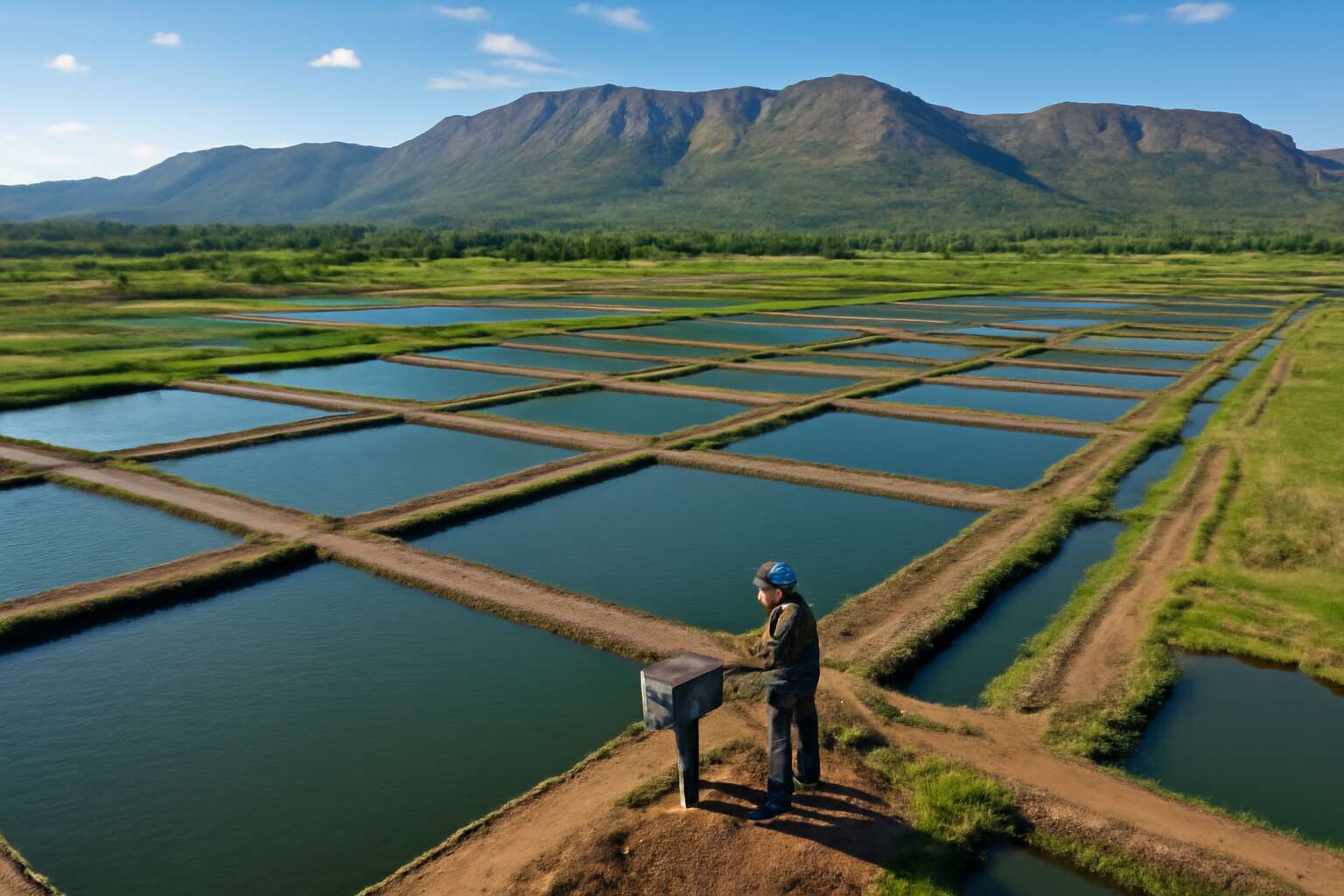
Comprehensive outline for Hartbeespoort fish farming
Overview of Hartbeespoort fish farming
The dam lights flicker at dawn, and a fish farm hartbeespoort seems to pulse with the landscape itself. Recent data show inland aquaculture in South Africa grew about 6% last year, a signal that demand and supply are finally aligned—almost supernatural in its immediacy.
Here is a comprehensive outline for Hartbeespoort fish farming, rooted in clean water, careful species selection, and resilient logistics. This environment rewards vigilance over microclimates, dam chemistry, and seasonal shifts.
- Water quality management and monitoring
- Biosecurity, disease prevention, and welfare standards
- Market access, processing, and cold-chain logistics
Across the region, operators blend science with storytelling, forging a future where sustainability meets steady yield. The dam’s ripple becomes a governance signal for growth, inviting partners to glimpse the quietly evolving economy around Hartbeespoort.
Community benefits and economic impact
Something fishy is happening in Hartbeespoort—and it’s not a prank. The fish farm hartbeespoort is quietly stitching local prosperity into the dam’s calm, turning each harvest into a dependable paycheck. A practical poetry emerges: nets, crates, and a lean, reliable supply chain that keeps nearby shops humming and families smiling.
Here are the community benefits at a glance:
- Job creation and stable wages for local families
- Skills development through apprenticeships and on-site training
- Expanded local supply chains, from feed and processing to logistics
Beyond the numbers, the ripple reaches schools, markets, and even the weekend cafe chatter, giving Hartbeespoort a reputation for sustainable growth powered by the fish farm hartbeespoort and a shared pride across the valley.
Sustainability and responsible farming practices
Stability under pressure marks Hartbeespoort’s waters—a living ledger of sustainable farming. The fish farm hartbeespoort quietly choreographs harvests with care, turning production into stewardship. This outline highlights sustainability and responsible farming practices, inviting readers to envision a dam where growth and care flow in tandem!
Key pillars guide the voyage for the fish farm hartbeespoort:
- Efficient water stewardship and recirculation to minimize withdrawals
- Responsible feed use and nutrition optimization, reducing waste
- Rigorous health management and biosecurity to prevent outbreaks
- Waste valorization and energy efficiency, converting residues into resources
Beyond numbers, this framework threads resilience through schools, markets, and family meals. By marrying science with stewardship, Hartbeespoort’s farm becomes a living exemplar of sustainability and responsible farming practices—where every crate and every feed batch strengthens the dam’s quiet heartbeat. fish farm hartbeespoort stands as a beacon.
Visiting, partnering, and investing
“This dam holds more than water—it holds futures,” a partner reminds me as dawn light tilts over Hartbeespoort. The visiting program at fish farm hartbeespoort invites curious travelers, local schools, and collaborators to witness a day in a modern aquaculture operation. You’ll hear the pump hum, breathe clean air after feeding, and meet stewards who treat every crate as a promise kept.
Comprehensive outline for visiting, partnering, and investing at this site reveals a human-centered map. I’ve found that a well-timed tour balances technical insight with stories of workers and harvests. Consider the following avenues:
- Visiting experiences: guided farm walks, hatchery insights, and on-site demonstrations
- Partnering opportunities: research collaborations, supply chain alignment, and community programs
- Investing pathways: scalable infrastructure, equity partnerships, and shared risk models
From this vantage, fish farm hartbeespoort becomes a community catalyst where dialogue meets durable practice, and every handshake hints at dividends beyond profit.




0 Comments