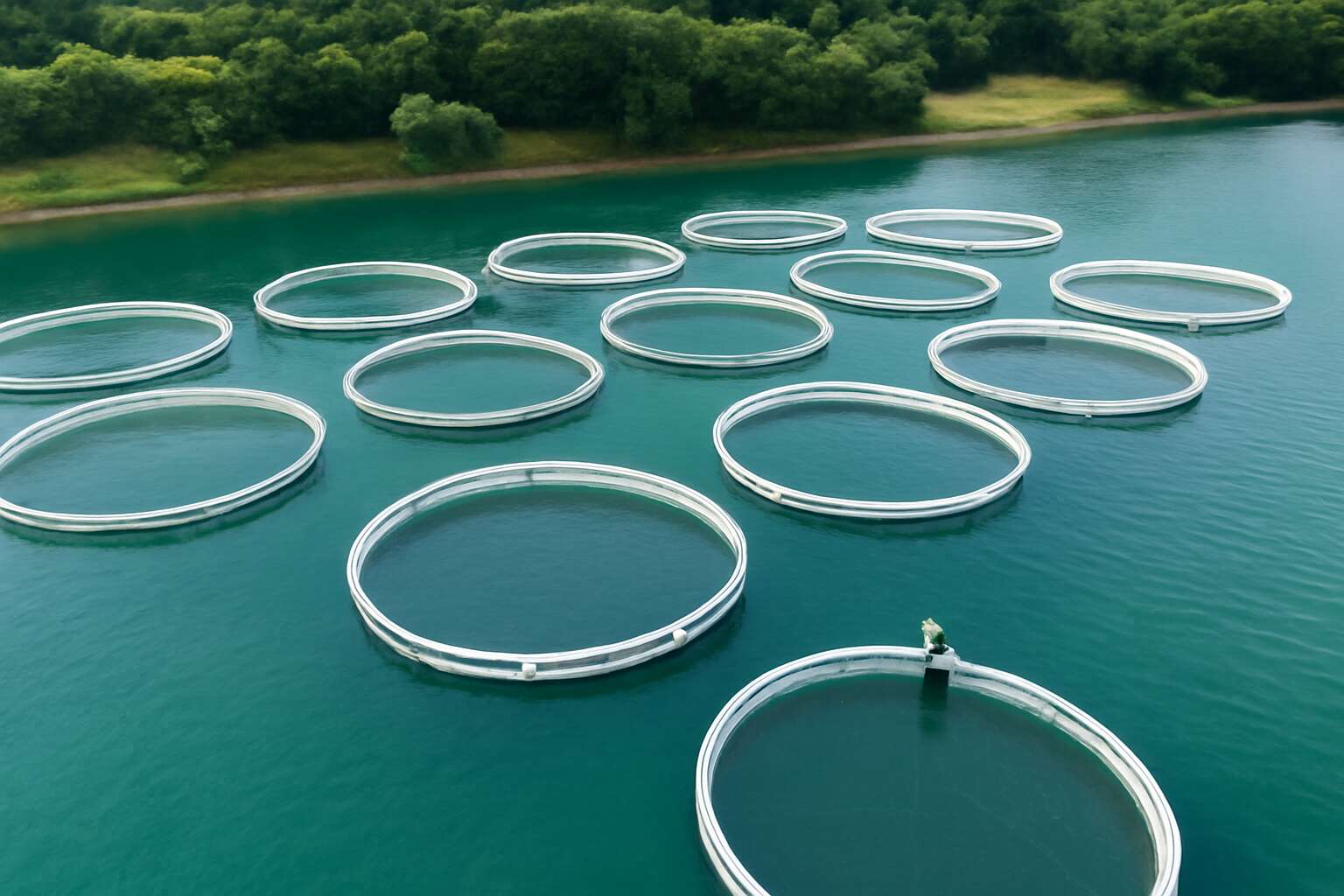
Overview of aquaculture in Hamilton and Ontario
0 – Local aquaculture landscape and market trends
<pOntario's aquaculture scene is quietly growing, and Hamilton sits at the edge of a practical, sustainable frontier—the fish farm hamilton scene. A recent industry note says demand for locally raised seafood is rising, and the trend isn't going away. From my tours across southern Ontario, I see a mix of traditional ponds and modern recirculating systems turning waste into water savings and quality into trust. It’s not about flash; it’s about steady supply, responsible farming, and honest flavors.
<pLocal aquaculture landscape and market trends are marked by transparency, local employment, and resilient supply chains. Here are the currents shaping Hamilton and Ontario’s farms:
- Growing consumer demand for fresh, traceable fish
- Adoption of RAS and integrated multi-trophic farming
- Public and private investment bridging production and export markets
1 – Key species raised in the region
Across Hamilton’s sheltered waters, aquaculture is writing a new, shimmering chapter of Ontario’s farming lore. In this region, recirculating systems marry science with stewardship, turning water into a living ledger of responsible harvests. The fish farm hamilton story glows with double-digit growth year over year, a testament to precision, quality, and community support. For readers in South Africa, the temperate-climate approach here offers a rare glimpse into how modern farms balance flavor with habitat.
- Rainbow trout (Oncorhynchus mykiss)
- Brook trout (Salvelinus fontinalis)
- Yellow perch (Perca flavescens)
These species shine in Ontario’s cool, clean water, where controlled environments, careful feeds, and steady markets converge to sustain sustainable growth. The result is a thoughtful blend of tradition and technology that invites chefs, retailers, and communities to partake in a mindful harvest.
2 – Economic impact of aquaculture in Hamilton
Hamilton sits along Ontario’s temperate waterway, where aquaculture has quietly become a reliable contributor to local livelihoods. In Ontario, recirculating systems marry science with stewardship, turning water into a living ledger of responsible harvests. The fish farm hamilton story demonstrates how precision, quality, and community support translate into steady harvests. For readers in South Africa, a temperate climate offers a practical mirror for balancing flavor with habitat.
Its economic impact unfolds across several channels:
- Job creation and hands-on training for local residents
- Robust supplier networks and regional feed and equipment infrastructure
- Research partnerships with universities and tech firms that drive continuous improvement
3 – Sustainability and environmental considerations
Ontario’s temperate waterways cradle a quietly growing aquaculture scene. In Hamilton, water is treated as a living asset, turning it into clean protein and steady jobs. The fish farm hamilton model relies on closed-loop systems that blend precision with stewardship, keeping waste low and flavors bright.
To balance production with place, sustainability rests on clear practices and smart design:
- Recirculating systems minimize water use
- Biological controls protect habitats
- Energy-efficient infrastructure reduces carbon
- Regular audits safeguard long-term health
Ontario’s approach shows how temperate climates can sustain growth without sacrificing ecosystems; the same logic translates well for readers in South Africa seeking responsible seafood.
4 – Regulatory framework and licensing in Ontario
Ontario regulates fish farming with a pragmatic, paper-hungry charm. For fish farm hamilton operators, the regulatory map doubles as a roadmap: provincial licences, environmental oversight, and federal health standards keep production clean and accountable.
- Licensing through OMAFRA and farm registration requirements
- Environmental approvals and watershed conservation oversight
- Health and disease management governed by CFIA and DFO as applicable
- Compliance audits and reporting cycles to sustain long-term licenses
Across Ontario, the framework blends safeguards with practical growth, a blueprint South African readers might imagine for responsible seafood expansion—less drama, more steady waters.
Planning and launching an aquaculture venture in Hamilton
0 – Site selection and water quality assessment
At dawn I study the land, for a fish farm hamilton begins with where the water breathes best. A site that offers steady flow, clean input, and forgiving temperatures is the difference between harvest and hollow nets. I treat the choice as a pact with the ecosystem, not a gamble.
Key steps in site selection include:
- Hydrological stability and reliable water sources
- Water quality indicators that guard growth: dissolved oxygen, pH, and nitrogenous compounds
- Environmental constraints and proximity to sensitive ecosystems
- Regulatory alignment and community considerations
When the water corridor sings true, planning gives way to a quiet launch—concepts of containment, biosecurity, and monitoring lingering like stars in a northern sky. I let the river dictate pacing, and the plan for a fish farm hamilton venture gains form as the breath of the stream steadies the heart.
1 – Equipment technology and system design
Planning and launching an aquaculture venture starts with the right hardware and a clean blueprint. In Hamilton, where water and weather tug in opposite directions, equipment technology is the compass. Think recirculating systems (RAS), temperature control, feed automation, and stubborn biosecurity—tools that keep fish thriving while you sleep. The goal isn’t gadgetry for gadgetry’s sake but dependable rhythm: predictable inputs, steady outputs, and a plan you can actually follow when the river runs tight.
Key equipment categories to map early include:
- Recirculating aquaculture system (RAS) core: tanks, pumps, biofilters, and drum filtration
- Water-quality gear: dissolved oxygen monitors, pH meters, and nitrogen management
- Environmental control: heaters, chillers, aeration, and thermal blankets
- Automation and data: PLCs, sensors, alarms, and remote dashboards
With those pieces in place, the layout becomes a living schematic rather than a laundry list. I sketch modular bays that scale, budget for redundancy, and set a maintenance cadence. A fish farm hamilton venture thrives when the hardware doesn’t hijack the moment but supports a calm, predictable heartbeat.
2 – Permits licensing and regulatory compliance
Hamilton’s riverfront rhythm can lull a venture to sleep—or wake it up. A solid permits and licensing plan keeps the build moving and the operation compliant. As one industry advisor puts it: “Clarity speeds approvals and cuts surprises.” That clarity matters for any fish farm hamilton project.
Begin with a concise project description and stake the baseline permits early. Engage the local council, environmental teams, and water authorities, then map the steps needed for approvals and inspections. A well-timed plan reduces delays and protects the schedule. For SA readers, these steps mirror local processes.
- Municipal land-use and zoning approvals
- Water-use licenses and effluent controls
- Environmental impact assessments and biosafety compliance
- Health, safety, and worker training requirements
Keep a living compliance calendar, renewals on track, and records ready for audits. When these elements align, fish farm hamilton can operate with a quiet confidence and a predictable cadence.
3 – Financial planning budgeting and funding
Fiscal discipline is the unseen ballast for a fish farm hamilton venture. A realistic budget—covering capex, working capital, and a buffer for the unexpected—keeps milestones within reach. “Funding follows planning” is the creed of seasoned operators, and a clear forecast earns lender confidence while guiding decisions at each stage. Start with a lean business case, map cash flows across the first harvest cycle, and align milestones with available credit and potential grants in South Africa.
- Capital expenditure for site infrastructure, tanks, and cages
- Operating costs including feed, utilities, and labour
- Risk management and contingency reserves for testing and insurance
Entrepreneurial funding channels include commercial banks, agri-specialist lenders, and grant programs that support new ventures. A staged investment plan keeps the project viable from pilot phases through the first harvest, while a transparent accounting trail makes audits painless and futures bright.
4 – Risk management and insurance considerations
Across Hamilton’s aquaculture frontiers, risk is a constant companion; a single setback can ripple through a season. A disciplined risk-management approach turns uncertainty into actionable safeguards, keeping a fish farm hamilton venture on a steady keel through the seasons. Smart planning threads insurance and operations together, so a hiccup doesn’t derail the harvest timeline!
- Biosecurity protocols and disease surveillance across stock, water, and facilities.
- Contingency planning for power outages, water supply, and feed-price volatility.
- Comprehensive insurance coverage: stock, equipment, and business interruption.
- Transparent record-keeping and regular audits to simplify claims and compliance.
For a Hamilton venture, work with South African insurers who understand aquaculture, tailoring policies to staged milestones. Clarify exclusions, claims windows, and premium adjustments; a solid policy framework eases lender negotiations and keeps momentum through the first cycles.
Sustainable practices in aquaculture operations
0 – Water quality monitoring and management
Water is the quiet hinge of every harvest, and in South Africa’s coastline, fish farm hamilton keeps perfect tempo when watched. A recent study notes that farms with continuous water-quality monitoring report up to 15% higher survival. Our practice honors that tempo with attentive silences and meticulous checks.
From sunrise to moonrise, we track temperature, dissolved oxygen, pH, ammonia, and turbidity. We listen to the water as it breathes, steering currents and biofilters toward balance rather than chaos.
- Temperature stability and stratification
- Dissolved oxygen and respiration comfort
- Ammonia and nitrite management
- Turbidity, clarity and algae control
In this quiet discipline, sustainable practices become a ritual, turning water into a partner rather than a threat, and keeping the farm’s lanterns lit with faithful, patient glow.
1 – Feed efficiency and alternatives
Feed is the heartbeat of sustainable harvest at fish farm hamilton. A regional study notes up to 15% better feed efficiency when we blend local ingredients with alternative proteins. The truth lands hard: less waste, healthier stocks, and a lighter footprint on South Africa’s coast.
- Insect protein meal sourced from certified local farms
- Fermented microbial proteins that boost digestibility
- Algal oils and plant-based proteins to reduce fishmeal dependence
Beyond formulation, I deploy rigorous palatability testing, monitor feed conversion ratios, and partner with local suppliers to minimize transport footprints. The result is steady growth with a gentler impact on our shared waters.
2 – Waste treatment and environmental stewardship
Momentum of clean waters begins where waste ends. In our latest audit, closed-loop systems cut effluent by 60%, and the shoreline breathes a little easier at fish farm hamilton. South Africa’s coast deserves this quiet revolution—one that blends science with reverence for ocean life!
Key elements of sustainable waste treatment and environmental stewardship include:
- On-site waste treatment and sedimentation ponds
- Biofiltration and microbial clarification
- Sediment recovery for land or wetlands
We listen for the ocean’s stories in every rinse and renewal, letting every ripple carry a vow to safeguard the water we share with our communities!
3 – Health management and biosecurity
Health management in aquaculture reads like a vow to the living currents. A single outbreak can tilt a system; disciplined biosecurity can slash losses by up to 40%. At fish farm hamilton, the ledger of care—quarantine, surveillance, and swift containment—has become a quiet craft, keeping stress low and nourishment intact.
Core routines weave robustness through every pen and pipe, safeguarding stock and staff while preserving South Africa’s coastline trust.
- Quarantine of new stock and health screening
- Controlled access, facility hygiene, and equipment sanitation
- Regular health surveillance, rapid response drills, and isolation of suspected cases
- Water treatment and biosecurity protocols to minimize pathogen loads
These measures echo through every ripple, turning routine maintenance into a philosophy of care that respects both fish and the communities that breathe with this water.
4 – Climate resilience and risk mitigation
Climate shifts redraw the risk map for aquaculture, but resilience is the operating manual. At fish farm hamilton, we treat weather volatility as a partner, not a threat, building buffers that protect stock and profitability. Smart water management, diversified sourcing, and dependable power keep stress low and harvests steady.
- Solar-assisted aeration and backup generators to shield against outages
- On-site water storage and rainwater capture to smooth supply fluctuations
- Redundant filtration and passive cooling to minimize heat and pathogen load
This approach honors the people who live along South Africa’s coast and the communities that breathe with this water. At fish farm hamilton, climate-conscious practice is daily care, rooted in long memory and a hopeful eye on the horizon.
Market access and community engagement for Hamilton aquaculture
0 – Local demand and consumer trends
Market access for Hamilton’s aquaculture isn’t a distant gate of export paperwork—it’s the daily handshake with local demand. Even in South Africa, buyers crave traceability, and in Hamilton, consumers are increasingly seeking traceable, responsibly raised fish, driving retailers to prioritise short supply chains and transparent sourcing. For fish farm hamilton operators, aligning product stories with neighborhood tastes can unlock consistent demand and premium pricing.
- Engage with local grocers and restaurants to create point-of-sale visibility
- Offer farm tours and tastings to build trust with the community
- Publish simple, transparent feed and water-use summaries to demonstrate stewardship
Community engagement isn’t a sideline—it’s a strategy that mirrors changing local consumer trends: people want to know where their dinner comes from and feel part of the journey. By weaving into schools, markets, and online communities, Hamilton’s aquaculture scene stays vibrant and resilient.
1 – Direct sales channels and farm experiences
Across Hamilton’s aquaculture scene, fish farm hamilton operators are turning market access into a daily handshake with local demand. It’s not an export gate to chase; it’s a direct conversation with consumers, and in South Africa, buyers crave traceability. Direct-to-consumer channels—farm shops, online orders, and farmers markets—keep value in the community and shorten the feedback loop for quality and pricing.
Direct sales shine when paired with farm experiences that tell the story behind every filet. Consider inviting schools and locals for tours and tastings; publish simple feed and water-use summaries to demonstrate stewardship.
- Direct-to-consumer partnerships with grocers and restaurants
- Farm tours and tasting events
- Transparent feed, water-use, and sourcing disclosures
Community engagement isn’t a sideline—it’s strategy. By weaving into markets, neighbourhood events, and online groups, Hamilton’s aquaculture stays vibrant and resilient.
2 – Supply chains and partnerships and export opportunities
Market access isn’t a gate—it’s a handshake. For fish farm hamilton operators, direct engagement with local buyers rewrites value chains and keeps freshness at the center of every sale. Traceability is the currency buyers demand, especially in South Africa, and the conversation happens at farm gates, markets, and online shops.
To strengthen supply chains and unlock export opportunities, operators pursue a few trusted routes:
- Local distributor alliances and restaurant partnerships for steady demand
- Clear traceability milestones across the supply chain
- Export-ready collaborations with regional distributors and importers
Community engagement remains a cornerstone—farm tours, tasting events, and open disclosures deepen trust and keep Hamilton’s aquaculture vibrant among neighbours and online groups.
3 – Branding certifications and quality standards
Freshness travels faster than freight, and the handshake at the gate sets the tone for every catch leaving Hamilton’s coast. fish farm hamilton isn’t just a label—it’s a promise of consistent quality, delivered to local markets and restaurants while the memory of the sea lingers on the plate.
Branding certifications and quality standards become the halo around every shipment. We weave community engagement into the brand—open days, tasting events, and candid disclosures deepen trust among neighbours and online groups across South Africa.
- Open days that invite buyers and residents to witness care and craft
- Transparent labeling and storytelling that communicates provenance
- Compliance with GlobalGAP and SA quality schemes to signal export readiness
4 – Digital marketing and online presence strategies
Coastal commerce in South Africa rewards speed and storytelling. Market access for fish farm hamilton hinges on a nimble digital footprint and robust digital marketing and online presence strategies that meet buyers where they scroll, swipe, and sample. The brand’s online presence isn’t vanity; it’s a bridge to local markets and chefs who prize consistency as much as provenance.
To weave community and commerce together, we deploy a few steady moves:
- Localized SEO, Google Maps visibility, and keyword-rich product pages that put fresh options in front of nearby retailers.
- Direct-to-consumer online ordering with clear delivery windows and transparent provenance.
- Engagement through farm stories, virtual tastings, and responsive social channels that turn neighbours into advocates.
These elements keep the offering resonant in a crowded market and ensure every catch lands with trust.

0 Comments