Historical Context of Aquaculture in the Philippines
Origins and early practices in pre-colonial Philippines
The sea was the pantry long before modern labels for aquaculture existed, and in the Philippines coastal communities treated ponds as living currency. The question of who introduced aquaculture in the philippines isn’t settled by a single name; it’s a chorus of fishermen and elders who coaxed water into wealth, boardroom memos unnecessary.
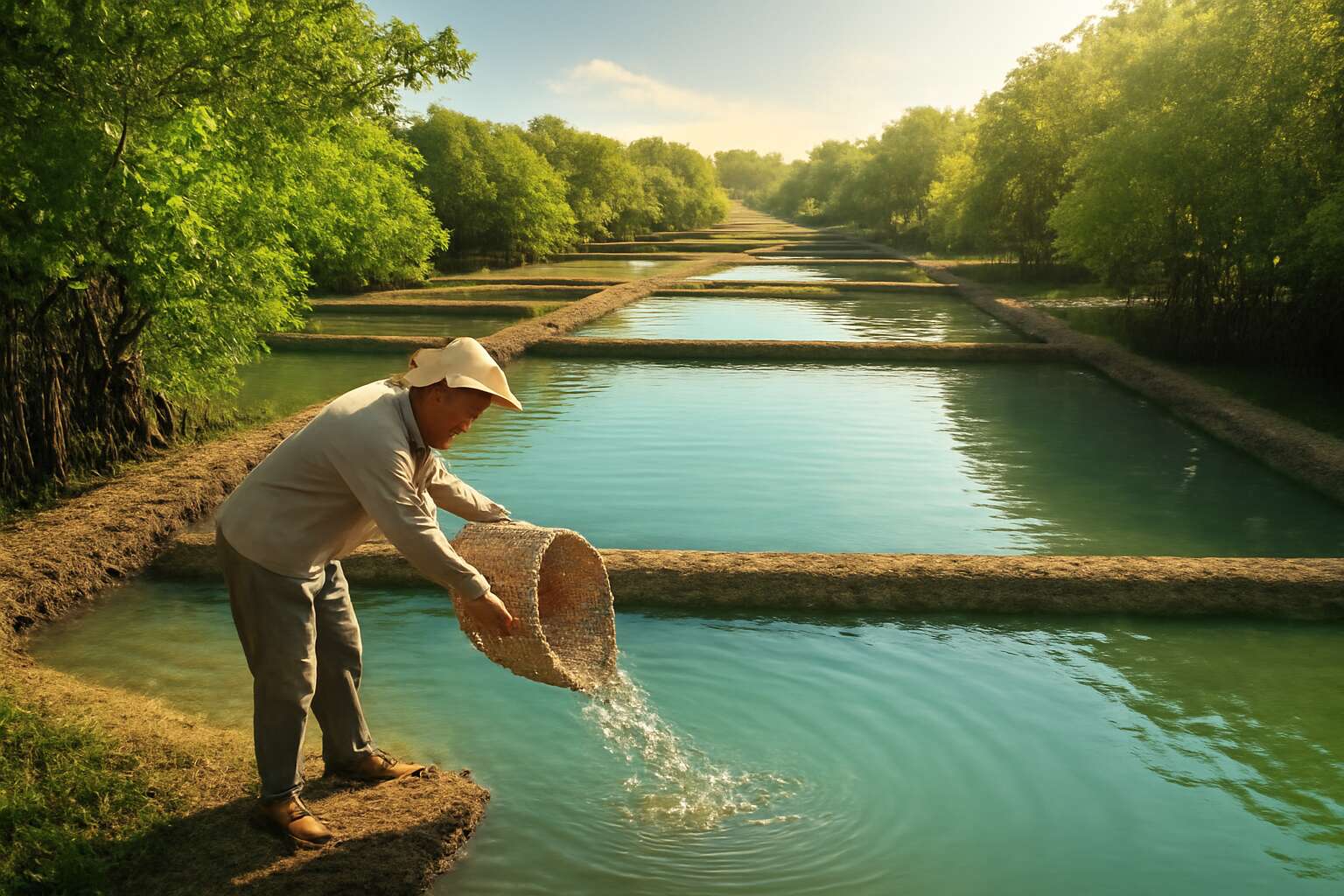
Origins and early practices in pre-colonial Philippines leaned on integrated pond systems: tidal lagoons edged with bamboo, mangrove margins, and networks that kept fish, shellfish, and rice in a cooperative web. Milkfish, bangus, alongside shellfish and crabs, formed resilient food webs that fed villages before Spaniards arrived. For SA readers, the logic feels familiar—a pragmatic blend of biology and community in KwaZulu-Natal alike; I see this as a shared craft, not a lone inventor.
These early traditions rested on a few core ideas:
- tidal channels regulating salinity
- polyculture pairing milkfish with shellfish
- seasonal harvesting tied to lunar rhythms
Early evidence of fish farming and pond culture
Water remembers more than we do. The question of who introduced aquaculture in the philippines is a chorus, not a single inventor’s ledger. In the quiet, communities turned waves into sustenance, and that turning is age-old memory.
Evidence surfaces not in monuments but in daily rhythms—old shorelines where ponds fed families through lean seasons, and ethnographers note how water and work braided together like kin. Early records from coastal settlements hint at pond culture as a living economy, not a hobby.
- community governance of ponds
- shared harvests turning water into wealth
- transmitted knowledge through generations
In these memories, the farming of water is less a science and more a ritual of sustainment.
For South African readers, the logic feels familiar—a cross-cultural thread: when water is organized by people, abundance follows. The roots of aquaculture glow softly in those pre-colonial channels, a reminder that water’s generosity travels far beyond borders.
Role of traditional aquaculture in coastal communities
On Philippine shores, water is less a resource than a cultural loom; tides were braided into sustenance long before markets stitched fish into commerce. The historical context of aquaculture in the Philippines shows ponds as lifelines, forged by kinship and pragmatism that kept families fed through lean seasons. Long before planners drew lines, households mapped the coast with bamboo and mud, turning brackish water into harvests. For South African readers, this cross-cultural idea resonates with our own riverine traditions. I have heard elders speak of tides as kin—surprising, intimate, and insistently practical!
- Local councils and families guide pond networks
- Seasonal tides shape breeding and meals
- Oral knowledge travels across generations
The question of who introduced aquaculture in the philippines remains a chorus rather than a solo statistic. Shared experimentation among fisherfolk and coastal communities knit these practices into everyday life.
Timeline of key milestones in Philippine aquaculture
Across Philippine shores, water remains a living thread in daily life and trade. The question who introduced aquaculture in the philippines has many voices, yet the arc is clear: communities turned brackish ponds into livelihood long before formal plans arrived. I’ve heard elders speak of tides as teachers, guiding hands that kept families fed through lean seasons! “Tides are kin,” one elder says. For South African readers, the arc echoes riverine traditions we know at home.
- Late 19th to early 20th century: colonial governance supports fishpond development and basic pond management.
- Mid- to late 20th century: expansion of hatcheries, extension services, and private fishponds drive growth.
- 1990s to present: policy reform, sustainable practices, and value-chain modernization shape the sector.
Pioneers and Institutions Responsible for Introducing Aquaculture
Government agencies and research institutions shaping Philippine aquaculture
More than half of the Philippines’ seafood harvest now comes from aquaculture, a testament to patient curiosity and policy-led progress. The headline question—who introduced aquaculture in the philippines—belongs to a broader tale of institutions and incentives that turned muddy ponds into engines of possibility for countless families.
From the earliest hatchery trials to modern feed tech, government entities and research bodies mapped the course. For South African readers, the Philippine model offers a blueprint of state-led collaboration between policy and science!
- Bureau of Fisheries and Aquatic Resources (BFAR)
- Department of Science and Technology—PCAARRD (Philippine Council for Agriculture, Aquaculture and Natural Resources Research and Development)
- University of the Philippines Los Baños (UPLB), College of Fisheries and Ocean Sciences
- SEAFDEC Aquaculture Department in Tigbauan, Iloilo
Weaving these strands, the institutions built a framework that sustains seed selection, pond management, and market access today.
Early researchers and foreign influence in introducing aquaculture
More than half of the Philippines’ seafood harvest now comes from aquaculture. The perennial question “who introduced aquaculture in the philippines” finds its answer in a tapestry of early hatcheries and policy-led momentum—the quiet magic that turned muddy ponds into engines of possibility.
Early researchers and visiting scientists carried ideas from abroad, layering experimental pond culture with local know-how. From makeshift hatcheries to controlled seed production, a collaborative spirit bridged continents and communities, proving that innovation travels well when policy and science walk hand in hand.
These pillars gave shape to the movement:
- Bureau of Fisheries and Aquatic Resources (BFAR)
- Department of Science and Technology—PCAARRD
- University of the Philippines Los Baños (UPLB), College of Fisheries and Ocean Sciences
- SEAFDEC Aquaculture Department in Tigbauan, Iloilo
For readers in South Africa, the Philippine model offers a blueprint of state-led collaboration between policy and science.
International collaborations and seed exchanges in Southeast Asia
The question: who introduced aquaculture in the philippines? A chorus of hatchery dreamers and policy-minded scientists across Southeast Asia. In the early days, I picture steaming ponds and chalkboard epiphanies colliding. The archives whisper a line: ‘who introduced aquaculture in the philippines’—a reminder that the answer lies in networks and stubborn curiosity.
These pioneers were anchored by a few enduring institutions—the kind that survive budget season and still ship seed stock with a smile.
- National fisheries authority and policy laboratories
- Science and technology councils backing aquaculture research
- UPLB College of Fisheries and Ocean Sciences
- Regional SE Asia seed-exchange hubs and allied centers
Together, these forces show a template for South Africa: policy and science walking hand in hand, with international seed exchanges fueling domestic growth. The story is not a lone name but a constellation of collaborations that reshaped coastal livelihoods.
Notable figures credited with advancing Philippine aquaculture
The question “who introduced aquaculture in the philippines” echoes through archives as a chorus of collaborations rather than a single name. Pioneers stood within a network of hatchery dreamers and policy-minded scientists who turned stubborn curiosity into concrete results. Steam from ponds rose beside chalkboard epiphanies, and whispers of shifting shores reshaped coastal livelihoods!
Notable figures thrived within four enduring pillars—institutions that weather budget seasons and keep seed stock circulating:
- National fisheries authority and policy laboratories
- Science and technology councils backing aquaculture research
- UPLB College of Fisheries and Ocean Sciences
- Regional SE Asia seed-exchange hubs and allied centers
For South Africa, this constellation offers a blueprint where policy and science walk hand in hand, with international seed exchanges fueling domestic growth. The story is a tapestry of collaborations, not a lone name, reshaping coastal livelihoods beyond borders.
Colonial and Post-colonial Impacts on Aquaculture Introduction
Spanish and American colonial policies affecting fish farming
A tidy bit of pond culture didn’t spring fully formed from a single genius; it arrived in layers, shaped by empire and policy. When the Spanish imposed mission economies and hacienda incentives, pond farming found new hosts in religious and aristocratic estates, turning coastal enclaves into semi-industrial nurseries. The aim? Food security, revenue, and a touch of strategic control. So, who introduced aquaculture in the philippines? The answer isn’t a lone name but a colonial relay—Spanish guidelines sowing the first seed, followed by American modernization that built hatcheries, standard protocols, and extension services.
Post-colonial policies kept momentum with state-led experiments and seed exchanges, blending foreign know-how with Filipino resourcefulness. The story isn’t about a single inventor but a cascade of imported ideas adapted to Philippine waters, proving that aquaculture’s teacher was history itself—and it still feeds livelihoods along every coast. For South African readers, the arc will sound familiar.
Post-war modernization and the Green Revolution’s impact on ponds
Policy built the ponds as surely as rain builds rivers. In tracing origins, the question — who introduced aquaculture in the philippines — loses its bite when you follow the relay rather than a single genius. Spanish directives tethered fish farming to mission economies, and American modernization stitched in hatcheries and extension work, turning coastal livelihoods into ventures.
Post-war modernization and the Green Revolution retooled pond economies: better feeds, water management, and reliable seed supply reshaped what a small plot can yield. The arc isn’t a straight line but a chain of borrowed ideas refined under Philippine skies, a pattern that resonates with readers in South Africa who know how global currents become local harvests.
For South African readers, the arc rings familiar: a relay of know-how, adaptation, and policy nudges that keep livelihoods afloat along every coast. The history becomes a choreography of policy and practice, not a name.
Introduction of new species and technology in Philippine aquaculture
Across the Philippines’ shores, a pond remembers more than harvests—it recalls policies and people. A 1950s study noted a 28% jump in yields as hatchery-raised fingerlings spread, showing how science travels on water. The question of who introduced aquaculture in the philippines becomes less about a lone genius and more about a relay of colonial and post-colonial moves shaping seed and risk.
- Tilapia and carp diversify ponds
- Hatchery systems and seed networks
- Better feeds and water management
Colonial policies tethered farming to mission economies, while post-colonial reforms opened hatcheries and seed exchanges. The introduction of new species and technology watered local livelihoods with promise.
For South African readers, these currents echo the way coastlines adapt—policy nudges, farmer ingenuity, and science traveling in a relay rather than from a single genius. I’ve stood by harbors where change arrives stitch by stitch, and the shoreline stays patient and hungry for change.
Policy milestones enabling aquaculture expansion in the Philippines
Policy nudges moved ponds from memory to markets along Philippine shores, and by the 1960s yields climbed roughly 28% as hatchery-backed fingerlings spread.
The question ‘who introduced aquaculture in the philippines’ reads like a relay: colonial governance framed farming as part of mission economies, and post-independence reforms opened hatcheries and seed exchanges.
Policy milestones quietly enabled expansion—supportive legislation, training programs, and the creation of breeder networks.
- Legislation-backed hatchery development and seed brokerage to connect farmers with reliable stocks
- National plans that fund extension services and water-quality management
- R&D investments improving feeds, disease control, and farm resilience
For South African readers, these currents echo how coastlines adapt—policy nudges, farmer ingenuity, and science traveling in a relay.
Modern Development and Key Contributors to the Industry’s Growth
Public-private partnerships and nationwide aquaculture expansion
Public-private partnerships have turned fragile ponds into a nationwide powerhouse. Modern development in Philippine aquaculture rests on a delicate choreography of policy, private capital, and field practice. These collaborations have transformed scattered pond clusters into a nationwide tapestry of production zones, hatcheries, and feed networks. This momentum invites a deeper look at origins—who introduced aquaculture in the philippines—and how coordinated effort across government and business unlocked opportunities for coastal communities and inland farmers alike, turning fragile ponds into resilient, climate-smart enterprises.
The collaboration relies on a few keystones that keep growth orderly:
- Public investment in monitoring, zoning, and extension services
- Private hatcheries linking seed production with farmer needs
- Cross-border seed exchanges and technology transfer programs
For South African readers, the model offers a blueprint for scalable, inclusive growth, showing how policy alignment, industry cooperation, and shared risk can lift smallholders into larger supply chains.
Universities and research on feed, disease management, and best practices
Modern development in Philippine aquaculture rests on a quiet, audacious choreography: universities, extension services, and private hatcheries speaking the same language of sustainability. The enduring question—who introduced aquaculture in the philippines—still echoes through lecture halls and policy briefings, but the answer now unfolds as a collaborative origin story rather than a single founder. Grounded in field trials, this momentum fuels climate-smart practice across ponds, cages, and inland systems.
- University-led feed formulation and nutritional trials
- Research on disease surveillance, biosecurity, and vaccination strategies
- Extension networks translating lab breakthroughs into farm-level best practices
For South African readers, this model offers a blueprint for scalable, inclusive growth, showing how policy alignment, industry cooperation, and shared risk lift smallholders into broader supply chains. As researchers map the pathway from feed trials to disease management routines, best-practice manuals circulate through universities, industry bodies, and farmer networks. The phrase who introduced aquaculture in the philippines recurs as a reminder that innovation arises where knowledge meets necessity.
Global markets, sustainability goals, and regulatory compliance
Global markets hum with demand, and Philippine aquaculture grows on a tide of collaboration rather than legend. A striking thread runs through modern development: climate-smart, data-driven practice stitching ponds, cages, and inland systems into a resilient tapestry. “Knowledge meets necessity,” notes a veteran extension leader, and the harvest responds with steady yield and improved biosecurity.
The enduring question who introduced aquaculture in the philippines now reads as a collaborative origin story, woven by researchers, policymakers, and farm networks. Thus, who introduced aquaculture in the philippines emerges as a mosaic of partnerships rather than a single founder. This mosaic drives global markets, sustainability goals, and regulatory compliance that shape the value chain. Global markets demand traceability and responsible sourcing, while sustainability goals steer feed choices and water stewardship. Regulatory compliance ensures safety and quality from hatchery to harvest.
Milestones and influential figures shaping modern Philippine aquaculture
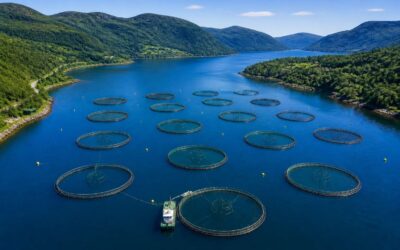
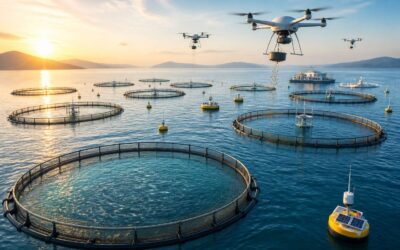
Across the Philippines, aquaculture now accounts for roughly half of seafood output, signaling a swift arc of modern development. In this climate-smart, data-driven era, ponds, cages, and inland systems weave into a resilient tapestry. The question ‘who introduced aquaculture in the philippines’ is a network story, not a single founder.
Here are the pillars driving contemporary growth, especially for global markets and South African buyers seeking responsible sourcing:
- Bureau of Fisheries and Aquatic Resources (BFAR), the national policy and extension backbone
- SEAFDEC, regional technology transfer and collaborative research
- University of the Philippines Visayas, spearheading feed, disease management, and best practices
- WorldFish and FAO partnerships advancing sustainable feed and biosecurity
These actors propel climate resilience, traceability, and quality from hatchery to harvest. The true answer to who introduced aquaculture in the philippines remains a mosaic of partnerships rather than a single founder.


0 Comments