Foundations of Modern Aquaculture
What is aquaculture? Defining the practice and scope
Across South Africa and beyond, nearly half of the seafood we rely on comes from aquaculture. Foundational questions drive this field: What is aquaculture, and how does it shape our food system? In practical terms, it is the farming of aquatic organisms under controlled conditions, from hatchery to harvest. The term aquaculture kake bole echoes a discipline that threads biology, ethics, and commerce into a resilient, living economy. I’ve witnessed small coastal farms turning these ideas into community wealth, not just protein.
Its scope spans species, systems, and communities.
- Species choices—from finfish to molluscs
- Water quality, feed, and biosecurity
- Rural livelihoods and urban markets
Together, these elements reveal how science and stewardship converge in South Africa’s aquaculture journey.
Historical evolution and global relevance
Across continents, nearly half the seafood we eat now hops from aquaculture, a statistic that keeps policymakers awake and boardroom chatter entertaining. Foundations of modern practice grew from patient experiments in ponds, tanks, and hatcheries—a quiet evolution from artisanal pens to science-driven systems. The phrase aquaculture kake bole echoes that blend of biology, ethics, and commerce, reminding us that living economies need attentive stewardship as much as protein.
- Ancient pond culture in East Asia and the Mediterranean
- Controlled hatcheries and scientific feeding in the 20th century
- Climate-smart, integrated farming linking farms to markets
Here in South Africa, that lineage guides coastal communities, research centers, and policy discussions, turning knowledge into jobs and local wealth while safeguarding biodiversity. From the Cape to the Wild Coast, modern aquaculture is less a sprint for yield than a careful dance with ecosystems.
Main production systems and species
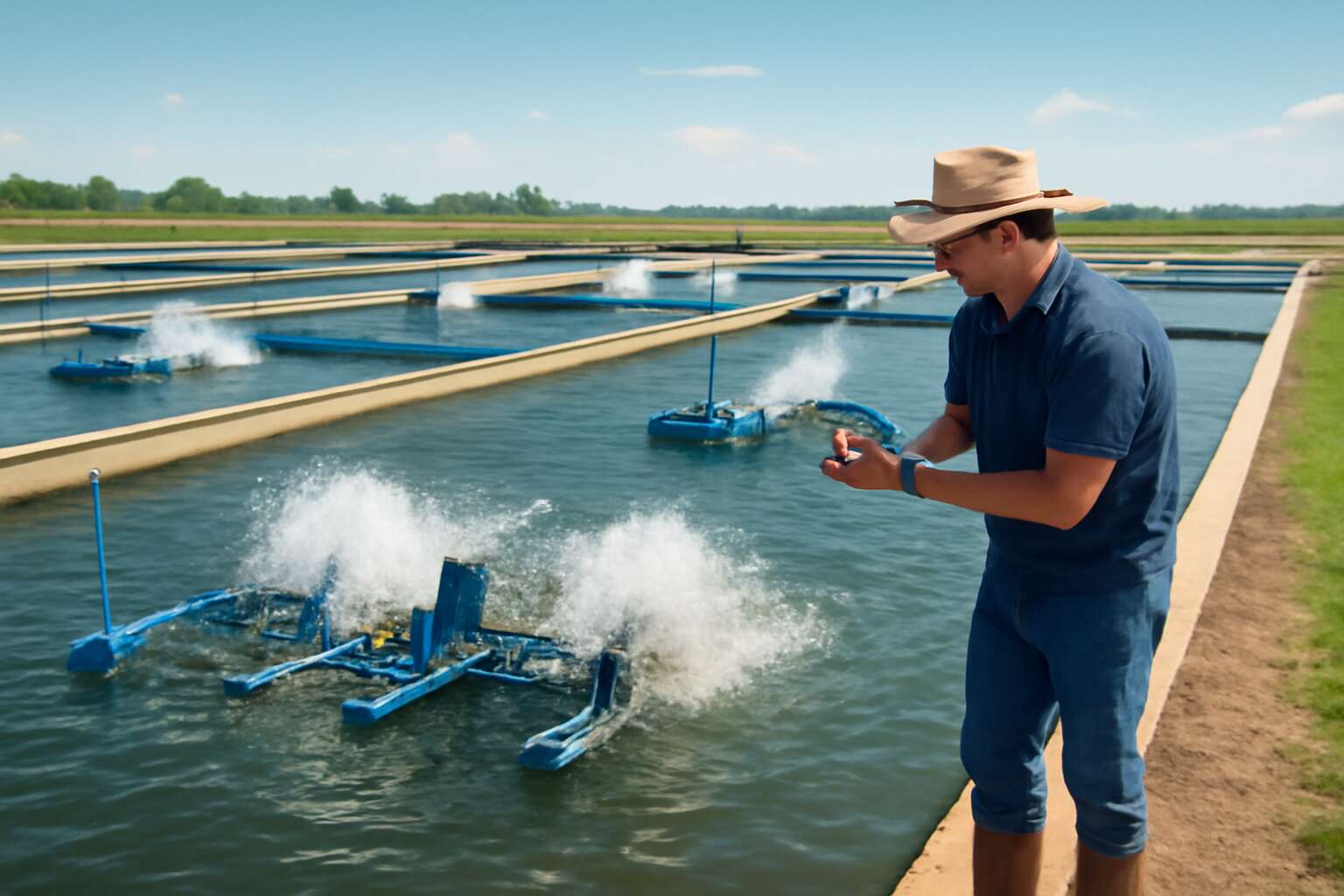
Foundations of modern aquaculture rest on a triad of production systems that blend rigorous science with inherited know-how. Across the globe, roughly 50% of seafood now comes from aquaculture, a statistic that hints at accountability and opportunity. Ponds and raceways cradle fast-growing fish and crustaceans; open-water cages anchor offshore operations; and compact Recirculating Aquaculture Systems (RAS) turn waste into wealth in inland hubs. Hatcheries, nurseries, and precision feeds complete the loop, backed by water-quality surveillance and biosecurity measures that protect biodiversity. The phrase aquaculture kake bole threads through these choices, signaling a purposeful blend of biology, ethics, and commerce.
- Ponds and raceways for tilapia and crustaceans
- Open-water cages for finfish and mussels
- Recirculating systems (RAS) for high-density production
- Hatcheries and nursery units for juvenile stock
Across South Africa, these configurations translate into coastal livelihoods, biosecurity practices, and local markets—proof that science can steady seafood while safeguarding biodiversity.
Common terms and unit measures in aquaculture
More than half of the world’s seafood now comes from aquaculture, a statistic that underscores our responsibility and potential. Foundations of modern practice hinge on common terms and the unit measures that translate biology into reliable harvests. In the mind of a farm, aquaculture kake bole is not just a phrase; it is a compass that keeps science and ethics in balance, from pond to plate, here in South Africa’s coastal and inland hubs!
Here are some terms and measures that keep the language of farming precise:
- Biomass: total live weight on site, rising with growth.
- Stocking density: fish per cubic metre, shaping welfare and oxygen needs.
- FCR (feed conversion ratio): feed input versus weight gain.
- Key water parameters: dissolved oxygen, pH, temperature, and salinity.
Sustainable Practices in Aquaculture
Water quality management and environmental stewardship
One bad parameter can wreck an entire harvest—water quality is the invisible manager of every pond in a coastal SA farm. Sustainable practices hinge on daily checks and proactive adjustments to keep fish thriving and feeders efficient. This is at the heart of aquaculture kake bole.
Key water-quality management steps balance biology and equipment with simple, observable actions:
- Dissolved oxygen monitoring and steady aeration
- Ammonia and nitrite control via biofilters
- PH and alkalinity balance with source water
Environmental stewardship goes beyond the pond: responsible effluent handling, habitat protection, and community engagement protect local waterways and coastlines. In South Africa, this approach makes aquaculture kake bole not just productive, but respectable—turning farms into partners with the land and people!
Waste treatment, effluent control, and biosecurity
Waste today tells the truth about tomorrow’s harvest. In South Africa’s coastal farms, sustainable waste handling under the aquaculture kake bole banner is a practical mandate, not just policy. Smart waste treatment and responsible effluent management protect reefs, estuaries, and the bottom line.
Biosecurity sits at the core of healthy stock and clean beaches. In aquaculture kake bole operations, closed-loop water, preventive health measures, and orderly movement controls reduce disease risk and boost confidence among communities and regulators alike.
Key themes in sustainable practice include:
- Waste treatment strategies
- Effluent control philosophies
- Biosecurity protocols
Responsible feed, nutrition, and reducing reliance on wild stocks
Across South Africa’s coastal farms, smart feeding translates into healthier stock and cleaner shores. “Nutrition is governance for the sea,” a veteran fish farmer reminds us, and the truth rings loud: responsible nutrition unlocks profitability without depleting wild resources. In the spirit of aquaculture kake bole, feed strategies are tailored, plant-forward, and scientifically tuned to local temps and salinity. The result is steadier growth, lower waste, and a coastline that keeps feeding communities intact.
Sustainable practice rests on three pillars of nutrition and sourcing:
- Local, responsibly sourced ingredients to reduce wild catch pressure
- Precision feeding using sensors and data to match appetite
- Selective breeding and alternative proteins to ease dependence on wild stocks
These elements weave resilience into every harvest.
Monitoring and certification standards for sustainability
Coastal South Africa’s certified farms cut nutrient discharge by up to 25% and lift overall efficiency by double digits, a headline from recent audits. “Sustainability is not an option—it’s a shoreline imperative,” notes an industry veteran. In the cadence of aquaculture kake bole, monitoring elevates every harvest.
- Independent third-party audits against recognized sustainability standards
- End-to-end traceability from feed input to harvest
- Robust reporting on water quality, effluent controls, and biodiversity safeguards
By aligning with global certification standards tailored to South Africa’s coast, producers foster resilience, investor confidence, and equitable coastal livelihoods.
Technologies and Systems in Fish Farming
Recirculating Aquaculture Systems (RAS): principles and benefits
In South Africa’s water-scarce landscape, recirculating aquaculture systems redefine efficiency; they reuse up to 90% of water and create a stable, controllable microcosm for fish—an invitation to aquaculture kake bole that marries science with stewardship.
Principles revolve around a closed loop. Solid separation, a biofiltration stage for nitrification, oxygenation, and a responsive control network keep the system resilient. Below are core components that flow naturally in practice:
- Solid waste management and primary solids separation
- Biological treatment with nitrifying biofilters
- Real-time monitoring and automated control systems
Benefits for South African producers include reduced effluent footprint, predictable yields, and enhanced biosecurity, all while aligning with sustainability ambitions and local market demands. The rhythm of RAS is a human-scale drama of water, fish, and data.
Open pen farming vs closed containment: when to choose
Across South Africa, every drop counts. In the evolving world of aquaculture, closed containment can slash water use by up to 90% compared with open pens, a statistic that rings like a lighthouse in a wind-ruled coast. This is aquaculture kake bole: a spellbinding fusion of science and stewardship where water, fish, and care move as one.
Open pen farming captures the romance of tides and spray, but it invites weathered risk and nutrient drift. Closed containment offers a sheltered microcosm where temperature, oxygen, and feed rhythms are choreographed with intention.
- Open pen farming: lower upfront costs and simpler infrastructure
- Closed containment: stronger biosecurity and precise water governance
- Site, scale, and risk tolerance drive the final choice
Choosing the path is less a calculation than a storytelling of stewardship and ambition, a decision South African producers make under starlit skies and shared responsibility.
Automation, sensors, and data analytics in farming
Across South Africa’s aquaculture floor, sensors whisper the language of better farming. Automation can trim energy use by up to 20% and lift feed efficiency, a measurable note in the chorus of stewardship. This is aquaculture kake bole—a fusion of science with care.
From the fishroom to the feed room, automated systems monitor oxygen, temperature, and water quality in real time, nudging feed and flow with a poet’s precision. I watch sensors translate breath into decisions, turning data into care.
Key systems enabling this harmony include:
- Sensor networks for dissolved oxygen, temperature, pH, and salinity
- Automated feeding and flow control guided by analytics
- Real-time dashboards enabling on-the-spot decisions
Species selection, breeding, and genetic improvement
Across South Africa’s fish farms, genetics is quietly rewriting the husbandry script. Genomic tools crack the mystery of heredity, guiding which broodstock will pass on growth spurts, robust immunity, and steady feed-to-farm conversion. This is aquaculture kake bole—a fusion of audacious science with prudent care, where data and discipline shape every spawn and cross.
Technologies and systems anchor this work:
- Genomic selection and marker-assisted breeding for trait prediction
- Strategic crosses and controlled reproduction in hatcheries
- Biobanks and cryopreservation to safeguard broodstock diversity
From gene to gut, these approaches translate into healthier larvae, steadier yields, and long-term resilience—without compromising ethics or ecosystem balance.
Market Dynamics, Policy, and Global Trends
Global production trends and leading producing regions
Global aquaculture now supplies more than half of all fish consumed worldwide, a surge that redefines markets and coastal livelihoods. In South Africa, aquaculture kake bole is emerging as a symbol of local ingenuity, linking small farms to regional and export chains with surprising nimbleness.
Market dynamics and policy levers steer investment, risk, and long-term planning. In this evolving arena, consider these priorities:
- Stable, transparent policy frameworks
- Competitive export standards and traceability
- R&D for climate resilience and resource efficiency
Globally, production trends lean toward Asia-Pacific powerhouses with China, Indonesia, and Vietnam driving volumes, while Norway, Chile, and Egypt push into higher-value markets. For South Africa, this mosaic suggests collaboration across borders, shared certifications, and targeted niche species to capture sustainable growth—an arena where aquaculture kake bole helps frame policy-aligned investment.
Regulatory frameworks and certifications (GAP, ASC, BAP)
Global demand now sees aquaculture deliver more than half of all fish consumed. Aquaculture kake bole in South Africa sits at a nimble crossroads of local ingenuity and regional export chains, where policy signals and market shifts shape growth.
Market dynamics demand stable, transparent policy frameworks, competitive export standards, and traceability across the supply chain. For aquaculture kake bole, regulatory alignment and credible certifications unlock access to premium markets and investor confidence. What matters is reliability from farm to plate!
- GAP (Good Aquaculture Practice)
- ASC (Aquaculture Stewardship Council)
- BAP (Best Aquaculture Practices)
Globally, Asia-Pacific leads volumes while Norway, Chile, and Egypt push into higher-value markets. In South Africa, cross-border collaboration, shared certifications, and targeted niche species support sustainable growth—precisely the path aquaculture kake bole frames for policy-aligned investment.
Economic considerations: cost, ROI, and financing options
Market dynamics pulse through hatchery logs and export terminals: price signals, supply stability, and traceability decide who scales. In South Africa, aquaculture kake bole sits at a nimble crossroads of local ingenuity and regional export chains.
Policy and certification matter as much as biology. Credible standards—GAP, ASC, BAP—unlock premium markets and reassure financiers. Cross-border collaboration and shared certification reduce risk, smoothing logistics and giving investors confidence in steady expansion!
Global trends favor Asia-Pacific volumes, while Norway, Chile, and Egypt push into higher-value markets. For South Africa, costs and ROI matter, as financing options—from grants to green loans and off-take agreements—shape capital availability for aquaculture kake bole.
- Government grants and subsidies
- Green finance and climate-linked loans
- Off-take agreements and retailer partnerships
Consumer demand, traceability, and branding in seafood
Markets move as fast as ocean currents. In seafood, traceability is not a luxury but a sales channel. For South Africa, aquaculture kake bole sits at a nimble crossroads of local ingenuity and regional export chains. Price signals, supply stability, and logistics determine who scales—and who stays lean.
Policy and certification matter as much as biology. Credible standards unlock premium markets and reassure financiers. Cross-border collaboration and shared certification reduce risk, smoothing logistics and giving investors confidence in steady expansion!
- Traceability platforms linking farm to fork
- Cross-border certification for export corridors
- Brand integrity programs for responsible sourcing
Global trends favor Asia-Pacific volumes, while Norway, Chile, and Egypt push into higher-value markets. For South Africa, costs and ROI shape financing options—from grants to green loans and off-take agreements—guiding capital toward this sector. Consumer demand and branding increasingly reward transparent origin stories.
Climate resilience and adaptation strategies in aquaculture
South Africa’s aquaculture kake bole sector grew 7% last year, a quiet surge beneath the surf that signals resilience in a challenging climate. Markets move as fast as currents, but price signals and logistics decide who scales and who stays lean. Local ingenuity meets regional export chains, shaping a corridor where credibility and speed translate into capital.
Weaving policy with practice, credible standards unlock premium markets and reassure financiers. Traceability platforms linking farm to fork, cross-border certification for export corridors, and brand integrity programs for responsible sourcing create a seamless flow from hatchery to plate.
- Traceability platforms linking farm to fork
- Cross-border certification for export corridors
- Brand integrity programs for responsible sourcing
Global trends tilt toward Asia-Pacific volumes, while Norway, Chile, and Egypt push into higher-value markets. For South Africa, climate resilience and adaptation strategies mean smarter water use, energy efficiency, and diversified species portfolios. For aquaculture kake bole in SA, climate resilience means practical guardrails that translate into steady growth!
- Water stewardship and adaptive water management to cope with drought and variability
- Modular, energy-efficient recirculating systems powered by renewables to reduce carbon and boost stability
- Disease resilience, robust biosecurity, and market-ready product diversification to weather shocks




0 Comments