Defining the Phrase aquaculture is another name for
What this phrase means in practice
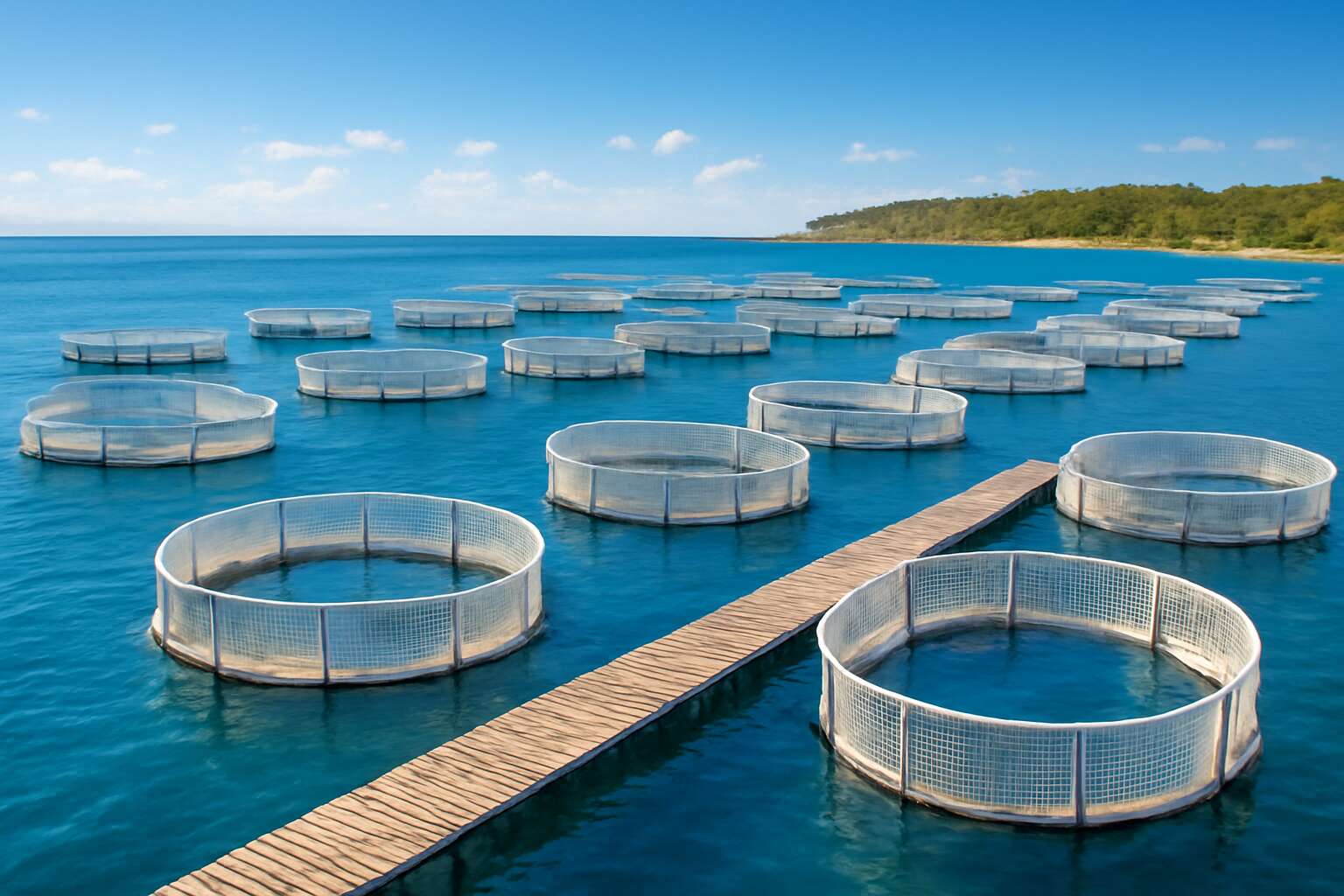
Global seafood demand has risen roughly 3% per year, and South Africa isn’t immune to the pull of the pond. In practice, aquaculture is another name for farming aquatic life—from fish to prawns to seaweed—in controlled environments. It’s less about nets and more about science: water chemistry, feed strategies, and biosecurity that keep the stock thriving rather than turning the pond into a slapstick mud bath.
Defining the phrase in practical terms means looking at what happens behind the scenes: reliable supply, consistent grades, and traceability from hatchery to plate. Here are the core elements that turn theory into turn-key production:
- Controlled water quality and recirculation
- Nutrition, feeding schedules, and growth targets
- Health monitoring and disease prevention
That’s the gist—science, systems, and a shelf-ready supply chain.
Key concepts linked to aquaculture is another name for
Defining the Phrase aquaculture is another name for is less about nets and more about a disciplined ecology. In South Africa, the practice blends science and market sense, turning potential scarcity into reliable seafood supply rather than a muddied pastime along the pond’s edge.
Key concepts linked to aquaculture is another name for guide practical design—the system logic behind growth, water stewardship, and product integrity.
- Water quality control and recirculation
- Nutrition and feeding discipline
- Health surveillance and biosecurity
for an article about aquaculture is another name for the industry’s ongoing transformation, where data meets decision and every harvest tells a story.
How this term relates to modern fish farming
Today, roughly half of the seafood people consume comes from aquaculture. Defining the Phrase aquaculture is another name for farming aquatic species under controlled conditions isn’t just semantic—it’s a lens on modern farming. In South Africa, this framing blends science with market sense, turning scarcity into reliable seafood.
This term relates to modern fish farming by elevating systems thinking: design, water stewardship, and product integrity become operational pillars that drive growth, resilience, and local livelihoods.
- System design that mirrors growth curves and feed efficiency
- Closed-loop water management to conserve resources
- Traceability and robust biosecurity across supply chains
Data meets decision and every harvest tells a story, shaping SA’s seafood future with disciplined, practical farming.
Different terms used interchangeably with aquaculture
Fish farming vs aquaculture: overlap and distinction
Across South Africa’s coastlines and inland ponds, aquaculture is a lifeline for families who wake before dawn to tend nets and tanks. Last year, the sector sustained thousands of livelihoods and fed coastal communities with responsibly raised seafood. In conversations, aquaculture is another name for quietly stewarded production of aquatic life.
Within this field, terms drift and overlap—and that overlap matters for policy and perception. The same practice may be called fish farming, mariculture, or aquafarming depending on region and emphasis.
- Fish farming
- Mariculture
- Aquafarming
A subtle distinction remains: aquaculture encompasses breeding, feeding, and water management, while fish farming often centers on growing fish for market. The right term helps neighbours and buyers see the care behind the crop, and it keeps conversations honest across rural and urban kitchens alike.
Mariculture as a related term
Across South Africa’s coastlines and inland ponds, the language of the sea wears many names. aquaculture is another name for careful stewardship, not a single technique. In practice, it stitches together breeding plans, nutrient rhythms, and water management to nourish communities with responsibly raised seafood.
Different terms drift through policy and pantry alike, and mariculture sits beside fish farming and aquafarming as related notions.
- Fish farming
- Mariculture
- Aquafarming
Choosing the right label can help neighbours see the care behind the crop, from hatchery to table, and helps conversations stay honest in both rural kitchens and urban boardrooms.
Aquafarming and related terminology
The sea speaks in many names, and our tables feel the impact. To many, aquaculture is another name for careful stewardship—an approach that stitches breeding plans, nutrient rhythms, and water management into a single promise to communities.
In policy rooms and pantry corners across South Africa, terms drift: aquafarming, fish farming, mariculture. Some use them interchangeably; others retain subtle distinctions rooted in geography and practice.
- aquafarming
- fish farming
- mariculture
As voices rise from hatchery to table, I hear how the labels carry responsibility—clarity that keeps conversations honest in both rural kitchens and urban boardrooms.
Why industry literature uses different terms
In South Africa, industry surveys show that 70% of briefs blur labels like aquafarming, fish farming and mariculture. The sea speaks in many names, and our policy rooms nod as if nothing happened.
Some describe it as aquaculture is another name for the same umbrella, and they’re not entirely wrong. Still, nuance travels from classroom to farm gate, shaping how stories sound in boardrooms and kitchens alike.
- aquafarming
- fish farming
- mariculture
From hatchery to table, the labels carry responsibility—and a dash of theatre, reminding us that clarity is part of good practice, not just good branding.
Geographic and industry context for alternative terms
Global usage of marine vs freshwater terminology
Geography writes the industry’s lexicon as clearly as sea spray. Today, more than half of the seafood eaten worldwide comes from farms, reshaping supply chains and investment priorities. In discussions, aquaculture is another name for farming aquatic organisms—whether in cages off a coastline or ponds inland. Terminology shifts with currents: marine versus freshwater usage mirrors ecosystems, regulation, and market realities.
Global usage diverges by region, shaping branding, research, and policy. The following snapshot highlights how terms travel across continents:
- Europe often distinguishes mariculture for sea-based operations and aquaculture for inland systems.
- North America tends to use aquaculture as the umbrella term, with mariculture in academic or policy contexts.
- Africa and parts of Asia blend terms as development expands, aligning with rural livelihoods and ecosystem specifics.
For South Africa, this lexicon matters in research, policy, and industry branding, where clarity supports investment, training, and sustainable growth.
Regional synonyms in Asia Europe and the Americas
Coastlines and river deltas shape more than harvests; they shape the language of seafood farming. Globally, more than half the fish eaten comes from farms, not the wild. aquaculture is another name for farming aquatic organisms, whether in offshore cages or inland ponds, and terminology shifts with the currents—marine terms near the coast, freshwater terms inland.
Across Asia, Europe, and the Americas, regional synonyms shape branding, policy, and research.
- Asia: a blend of mariculture and aquaculture in practice and policy.
- Europe: mariculture for sea-based operations; aquaculture for inland farming.
- Americas: aquaculture often serves as the umbrella term; mariculture appears in academia.
For South Africa, clarity in this lexicon supports investment, training, and sustainable growth along coastlines and inland hubs!
Policy and regulation shaping terminology
Across South Africa’s reefs, estuaries, and inland ponds, the words we choose carry weight as much as the nets we cast. Globally, more than half the fish eaten comes from farms, and the domestic landscape is catching up with policy and investment. aquaculture is another name for farming aquatic organisms, a phrase that surfaces in planning rooms to align commerce with stewardship, coastlines with care.
Policy and regulation shaping terminology in practical, everyday terms. In SA, environmental safeguards, water rights, and food-safety standards compel clear definitions to avoid ambiguity and mislabeling. The result is a lexicon that travels from national acts to provincial guidelines, guiding industry branding, research direction, and investor confidence.
- Licensing frameworks and permit classifications
- Environmental impact assessments and species definitions
- Workforce training standards and sector-specific terminology
SEO and content strategy around aquaculture synonyms
Keyword opportunities from alternate names
Across South Africa’s aquatic economy, a clear lane opens when you map terms like mariculture to readers’ questions. A widely cited stat in marketing shows most people begin with a search query, not jargon-filled pages. Recognizing that aquaculture is another name for a broader practice helps frame content with calm authority.
To unlock keyword opportunities, build small content clusters around alternate names and their intents. Use user questions in headlines, weave semantic siblings through paragraphs, and link to related topics so search engines see your authority on the taxonomy.
- Mariculture terminology and regional usage
- Long-tail queries for related synonyms
- Regulatory language variations in SA markets
Let the narrative sing with a local South African voice—clear, compelling, and precise. Readers should feel the sea’s breadth in your taxonomy without drowning in jargon.
Content angles to optimize for related terms
The sea speaks in questions, and in South Africa that dialogue travels first through search bars. Readers want answers, not labels—”Readers seek answers, not labels,” a SA editor reminds us. Recognizing that aquaculture is another name for a broader farming practice helps frame content with quiet authority.
To unlock keyword opportunities, build small content clusters around alternate names and their intents. Use reader questions in headlines, weave semantic siblings through paragraphs, and link to related topics so search engines see your authority on the taxonomy. The approach travels beyond aquaculture is another name for and echoes through mariculture, aquafarming, and regional usage in SA markets.
- Regional nomenclature and reader questions
- Long-tail queries driven by synonyms
- Policy language shaping SA terminology
In lyrical, precise English, the article becomes a shoreline of terms—clear, compelling, and precise—carrying the reader from general sea-farming concepts to SA-specific regulation and regional expression.
User intents when searching for aquaculture synonyms
A striking stat anchors our sea-salt strategy: SA readers cast their nets first toward a search bar, chasing answers before labels. The sea speaks in questions, and the tide of queries carries clarity faster than labels ever could.
To unlock keyword opportunities, embrace that aquaculture is another name for the broader farming family. Build small content clusters around alternate names, invite reader questions in headlines, and weave semantic siblings through paragraphs. Link to related topics so search engines see your authority on the taxonomy. The approach travels beyond, echoing mariculture, aquafarming, and regional usage in SA markets.
- regional synonyms in SA markets
- long-tail questions reflecting intent
- semantic linking to related terms
Structuring semantic content for relevance
The sea speaks in questions, and readers answer with clicks. In South Africa, searchers reach for understanding before labels, a habit that reshapes how we write about farming in water. aquaculture is another name for the broader farming family, a truth that unlocks room to explore related terms without forcing a rigid taxonomy.
To anchor relevance, structure content as semantic threads rather than isolated pages. Build content around alternate names and their regional usage in SA markets, invite reader questions in headlines, and weave siblings such as mariculture, aquafarming, and related terminology through your narrative. Link to related topics so search engines recognize your authority on the taxonomy, and embrace long-tail questions that reveal intent. The result is a living, interconnected web that travels beyond labels and speaks to curious readers.




0 Comments