Comprehensive guide to solar-powered fish farming
Design and technology integration
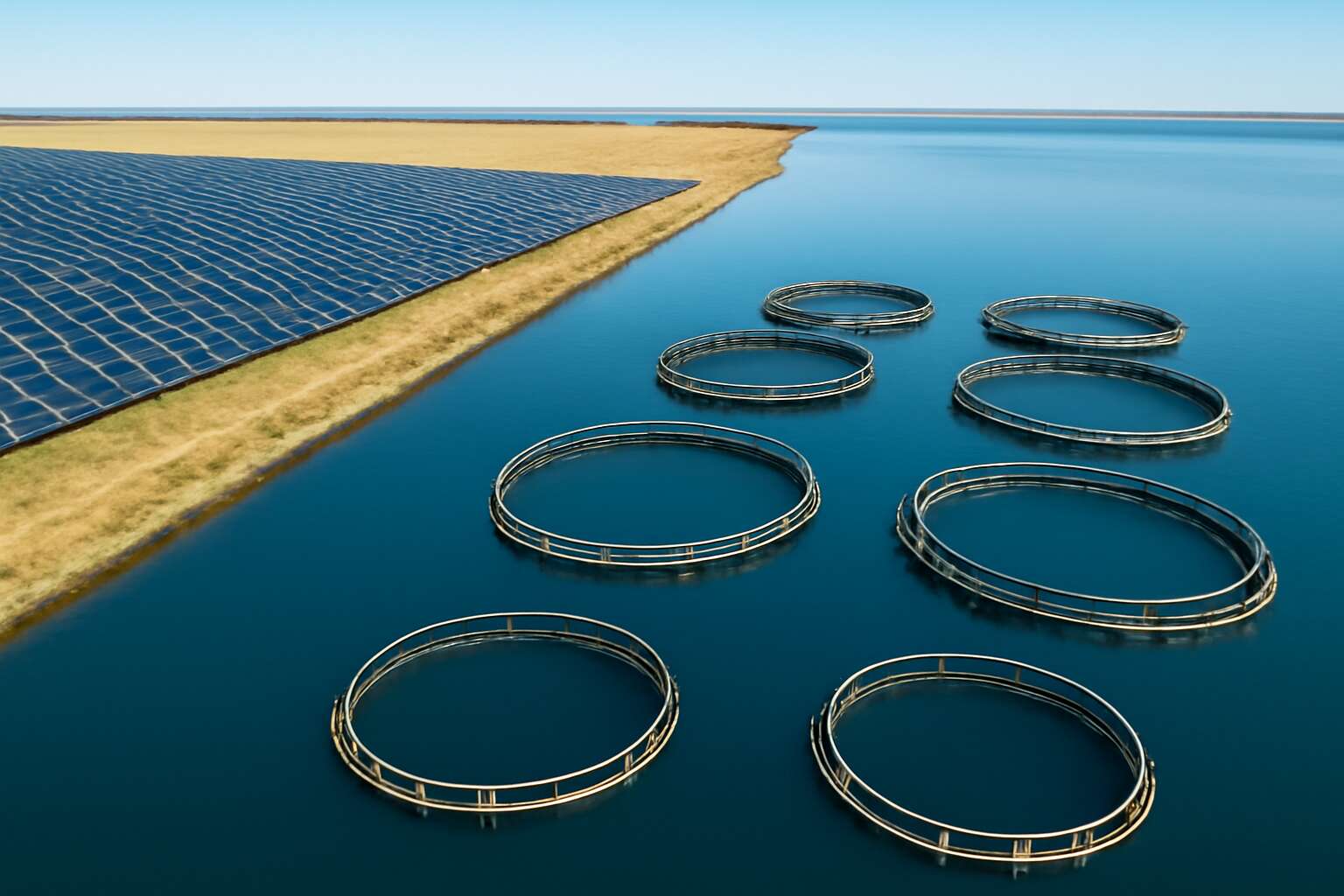
Sun-split horizons meet practical ambition in the solar fish farm, where daylight powers pumps, aerators, and sensors. In South Africa, early pilots report energy costs slashed by up to 35%, turning formerly brittle budgets into steady lines on the ledger.
Design and technology integration weave PV arrays with water channels, controlled lighting, and smart telemetry into a resilient whole. Within the solar fish farm, these elements form a scalable, low-maintenance system that thrives under rural skies and coastal gusts!
- Strategic PV placement to balance shade, wind, and heat load
- Integrated water management with aeration and filtration
- Real-time sensors for water quality, energy production, and equipment status
The human story around this venture matters: careful siting, community engagement, and ongoing data review shape a sustainable micro-economy.
Operational efficiency and farming practices
From sunlit bays to steady budgets, the comprehensive guide to solar-powered fish farming begins with a single truth: energy discipline multiplies harvests. In South Africa, pilots report energy costs trimmed by up to 35%, turning brittle budgets into steady lines on the ledger. In a solar fish farm, daylight powers pumps, aerators, and sensors, weaving light into life and profit.
Operational efficiency hinges on measured routines and clean data.
- Balanced water stewardship through timed aeration and filtration
- Targeted feeding strategies aligned with growth curves
- Regular telemetry reviews to preempt equipment faults
Farming practices lean on understated rhythms: regular stock assessment, quarantine protocols, and weather-aware scheduling. This sunlit system invites professionals to pace progress with certainty.
Economic viability, incentives, and financing
In a solar fish farm, economic viability is a poem you can measure. South African pilots report energy costs trimmed by up to 35%, turning volatile forecasts into steady cash flow. The math is simple: predictable energy, predictable maintenance, and margins that glide from daylight into the ledger—pure harmony!
Incentives and financing shape the journey. For a solar fish farm, government rebates, tax allowances, and green-finance partnerships tilt the balance from risk to resilience. Flexible structures—PPAs, leases, and blended debt—convert upfront capex into manageable operating costs and scalable growth!
- Grants and tax incentives for renewable farming
- Flexible solar financing models: leases, PPAs, and debt facilities
- Risk-sharing instruments and revenue streams from energy savings
With sun and strategy aligned, South Africa’s fisheries step into a future where the farm breathes light and profit in equal measure.
Environmental impact and community considerations
South Africa’s sunniest coastlines offer more than postcard horizons: pilots report energy costs trimmed by up to 35%, turning volatile forecasts into steady cash flow. A solar fish farm powers pumps, aerators, and sensors, slashing diesel use and carbon footprints. Thoughtful environmental safeguards—water management and habitat protection—keep the ecosystem in balance, and yes, the fish seem to smile when the bills shrink.
Community considerations shape lasting success. Local jobs, skills training, and open governance turn projects into rural anchors. The following elements help align fish farming with community values:
- Local employment opportunities and training
- Water stewardship and effluent management
- Ongoing stakeholder engagement
In South Africa, a solar fish farm can boost resilience while caring for land and people. It blends sun-powered efficiency with social responsibility to sustain harvests and livelihoods.

0 Comments